Air Cooled Chiller vs Water Cooled Chiller The Ultimate Comparison
When you ask which is better, an air cooled chiller or a water-cooled chiller, the real answer depends on your unique situation. You might focus on efficiency, cost, installation, maintenance, or even where you plan to use the chiller. Water-cooled chillers still hold the largest global market share, thanks to their high efficiency and popularity in large-scale industries. However, air cooled chiller technology has made huge leaps, especially with OUMAL’s advanced models that deliver reliable cooling, low maintenance, and a compact footprint. If you want a clear comparison, you’re in the right place.
Key Takeaways
-
Air-cooled chillers are ideal for areas with limited water supply. They are easy to install and maintain, making them a practical choice for many industries.
-
Water-cooled chillers offer high efficiency and are best for large-scale operations. They require a steady water supply and more complex installation.
-
Consider your cooling capacity needs. Air-cooled chillers work well for smaller applications, while water-cooled chillers excel in larger facilities.
-
Evaluate your location and environmental factors. Air-cooled chillers are better for remote areas, while water-cooled chillers suit urban settings with ample water.
-
Plan for long-term costs. Water-cooled chillers may have higher upfront costs but can save money on energy and maintenance over time.
What Is an Air Cooled Chiller?
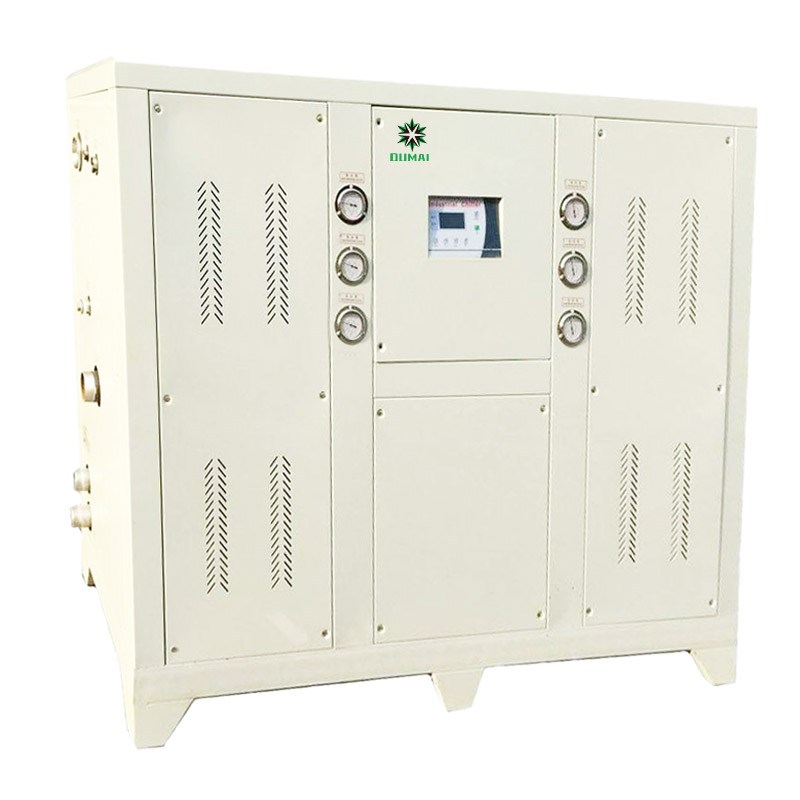
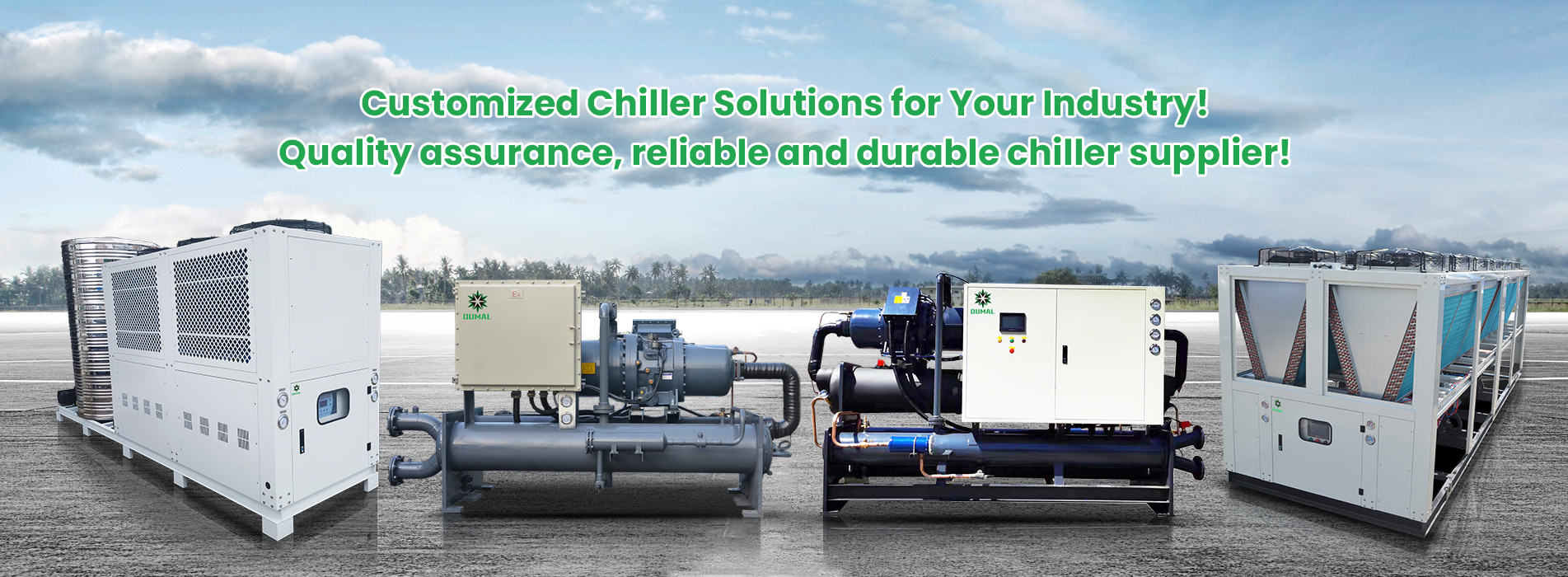
If you want a cooling solution that’s simple, reliable, and efficient, you should look at an air-cooled chiller. This type of chiller uses air to remove heat from your process or equipment. You don’t need a big water supply or a cooling tower. That makes air-cooled chillers a great choice for many industries, especially where water is scarce or noise is a concern.
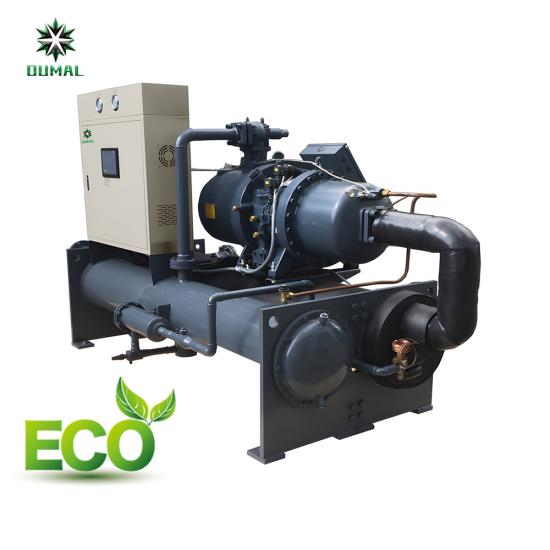
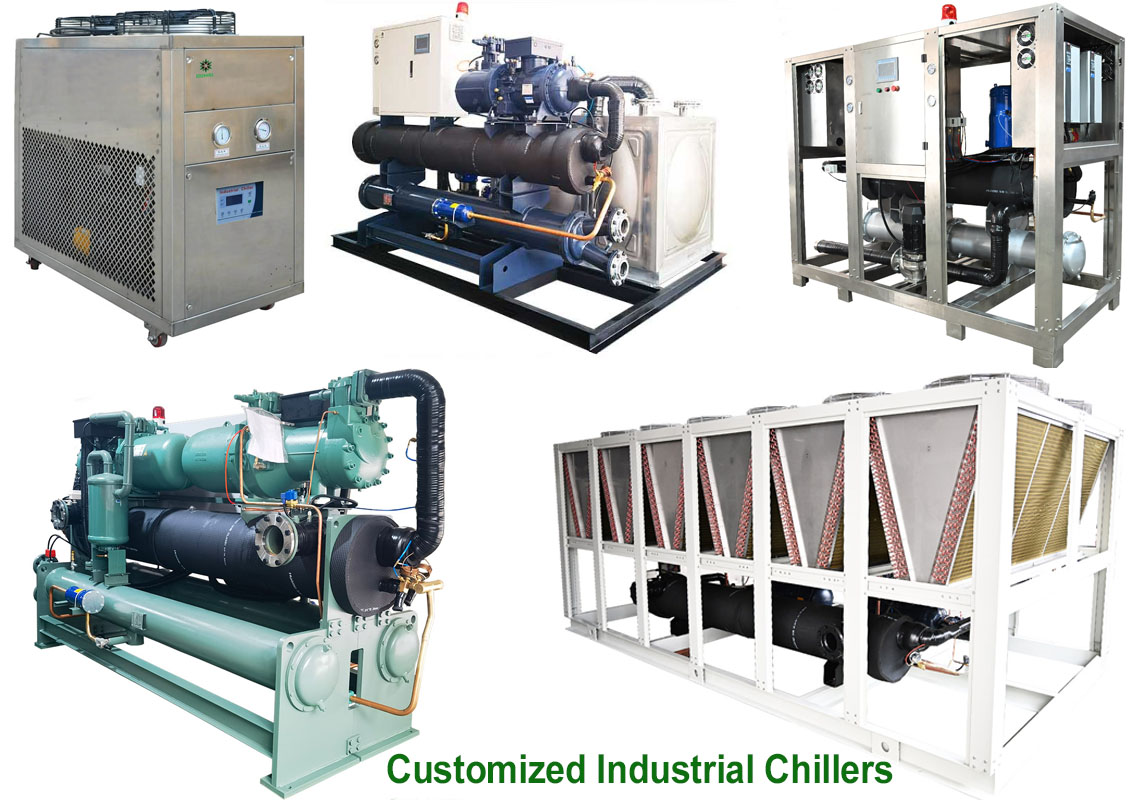
Let’s take OUMAL’s Air Cooled Screw Chillers as an example. These chillers use advanced screw compressors and smart controls to deliver precise temperature management. You get a compact design that fits into tight spaces and works well in places where you can’t install large water systems. OUMAL’s models also offer customization, so you can match your chiller to your exact needs.
How Air Cooled Chillers Work
You might wonder how an air-cooled chiller actually works. Here’s a quick breakdown. The chiller pulls heat from your process water in a closed loop. The chilled water moves through your equipment, picks up heat, and returns to the chiller. Inside the evaporator, the refrigerant absorbs this heat and turns into vapor. The compressor then squeezes this vapor into a high-pressure gas. Next, the gas flows to the condenser, where fans blow air over coils to cool it down. The refrigerant turns back into a liquid, drops in pressure and temperature, and starts the cycle again. This process keeps your system cool and running smoothly.
Key Features
Air-cooled chillers stand out because of their smart design and reliable parts. Here’s a quick look at the main components:
|
Component
|
Function
|
|
Compressor
|
Pressurizes the refrigerant vapor, increasing its energy level for heat release in the condenser.
|
|
Condenser
|
Rejects heat absorbed by the refrigerant and transfers it to the surrounding air.
|
|
Expansion Valve
|
Regulates refrigerant flow and reduces pressure before entering the evaporator.
|
|
Evaporator
|
Absorbs heat from the chilled water, causing the refrigerant to evaporate into a gas.
|
|
Fans
|
Facilitate heat dissipation by forcing ambient air over the condenser coils.
|
You’ll find that air-cooled chillers are easy to install and maintain. They don’t need extra water infrastructure, which saves you time and money. OUMAL’s air cooled chiller models also use durable materials, so you get long-lasting performance even in tough environments.
Common Applications
Air-cooled chillers work in many different industries. Here are some common uses:
|
Industry
|
Application Description
|
|
Commercial Buildings
|
Used to maintain comfort levels by regulating indoor temperatures in office buildings.
|
|
Data Centers
|
Essential for cooling servers to prevent overheating and ensure optimal operating conditions.
|
|
Manufacturing Facilities
|
Provides temperature control in processes like chemical processing and plastic manufacturing.
|
|
Food and Beverage Industry
|
Ensures product integrity and safety through necessary cooling in storage and processing.
|
You can see air-cooled chillers in action at poultry farms, data centers, and food processing plants. If you need a flexible, efficient, and reliable cooling solution, an air cooled chiller could be the perfect fit.
What Is a Water-Cooled Chiller?
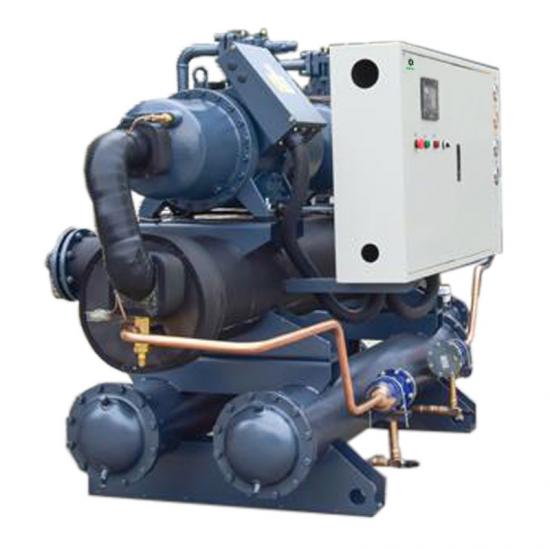
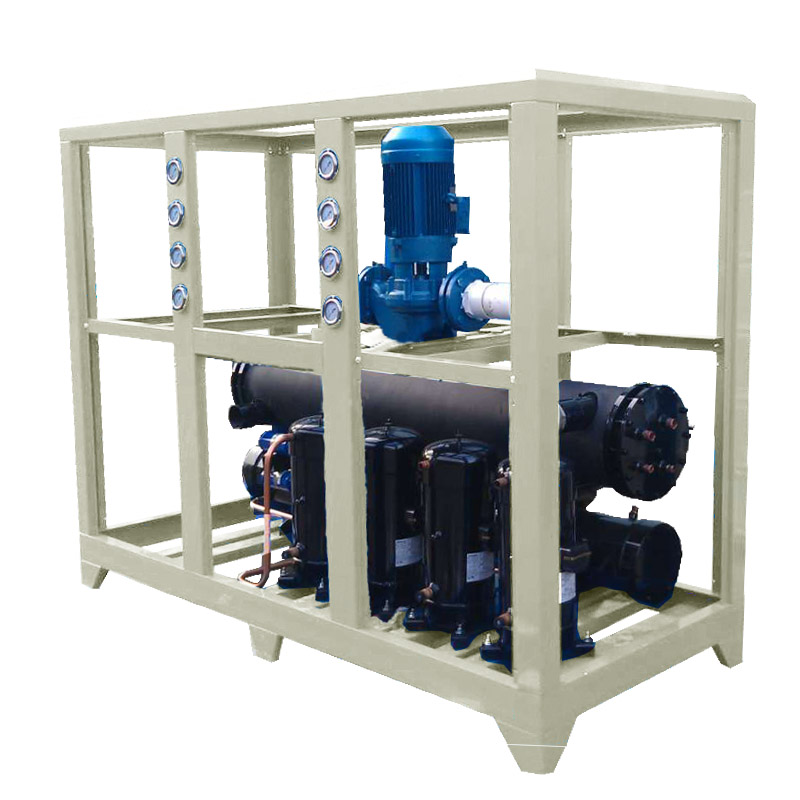
You might wonder what makes a water-cooled chiller different from other cooling systems. A water-cooled chiller uses water to remove heat from your process or equipment. You will see these chillers in places where you need powerful cooling and have access to a steady water supply.
How Water-Cooled Chillers Work
A water-cooled chiller works by circulating water through a condenser. The process starts when the chiller absorbs heat from your system. The refrigerant picks up this heat and moves it to the condenser. Water flows through the condenser and carries the heat away. The cooled refrigerant then cycles back to absorb more heat. You need a cooling tower or another heat rejection device to release the heat from the water. This setup lets water-cooled chillers handle large cooling loads with high efficiency.
Key Features
Water-cooled chillers stand out for their strong performance and flexibility. Here are some features you will find:
-
High cooling capacity for demanding environments
-
Stable operation with precise temperature control
-
Quiet performance, making them suitable for noise-sensitive areas
-
Long lifespan with proper maintenance
-
Ability to operate in a wide range of climates
|
Feature
|
Benefit
|
|
Large cooling capacity
|
Supports heavy-duty industrial processes
|
|
Quiet operation
|
Reduces noise in sensitive locations
|
|
Efficient heat removal
|
Maintains consistent cooling
|
Common Applications
You will find water-cooled chillers in many industries. These chillers work well in places where you need reliable and powerful cooling. Here are some common uses:
Tip: Choose a water-cooled chiller if you have access to plenty of water and need high efficiency for large-scale operations.
-
Chemical processing plants
-
Pharmaceutical manufacturing
-
Data centers
-
Food and beverage production
-
Industrial facilities with continuous cooling needs
Water-cooled chillers help you keep your processes running smoothly. You get stable temperatures and efficient cooling, which is vital for sensitive equipment and products.
Air Cooled Chiller vs Water-Cooled Chiller Comparison
Pros and Cons of Air Cooled Chillers
When you look at air cooled chiller options, you’ll notice they offer a lot of practical benefits. You don’t need a constant water supply, so you can use them in places where water is scarce or expensive. The installation process is simple, and you can fit these chillers into smaller spaces. Maintenance is straightforward, and you won’t spend much time or money keeping them running.
Here’s a quick rundown of what you get with this chiller type:
-
Lower initial cost compared to water-cooled chillers.
-
Water-saving solution, perfect for regions where water conservation matters.
-
Small installation area required, so you can use them in tight spaces.
-
Easy and inexpensive maintenance, which saves you hassle.
-
Reliable performance in environments with limited water supply or noise restrictions.
But you should also know about the limitations. Air-cooled chillers usually have lower efficiency than water-cooled chillers, especially when you need to cool large spaces or run the system nonstop. The cooling capacity per unit is limited, so you might need multiple units for bigger jobs.
Note: The condensing temperature in air-cooled chillers depends on the ambient dry-bulb temperature. When it’s hot outside, the chiller works harder and uses more energy.
Here’s a table that sums up the main advantages and disadvantages:
|
Chiller Type
|
Advantages
|
Disadvantages
|
|
Air Cooled Chiller
|
Lower initial cost, water-saving, small footprint, easy maintenance
|
Lower efficiency, limited capacity
|
Pros and Cons of Water-Cooled Chillers
If you need high efficiency and powerful cooling, water-cooled chillers might be the best choice. You’ll find these chillers in large industrial plants and places where cooling demands are high. They handle big jobs with ease and keep energy costs down over time.
Here’s what you get with this chiller type:
-
High energy efficiency, especially in large-scale environments or continuous use.
-
Availability of large-capacity units for demanding applications.
-
Stable operation with precise temperature control.
-
Quiet performance, which is great for noise-sensitive areas.
However, water-cooled chillers come with higher initial costs and more complex installation. You need a steady water supply and extra infrastructure, like cooling towers. Maintenance can be more involved, and water consumption is high. There’s also a risk of Legionella bacteria if you don’t maintain the system properly.
Tip: Water-cooled chillers operate at lower condensing temperatures, so the compressor does less work and uses less energy. This leads to lower operating costs over time.
Here’s a table to help you compare:
|
Chiller Type
|
Advantages
|
Disadvantages
|
|
Water-Cooled Chiller
|
High efficiency, large capacity, quiet operation
|
High initial cost, high maintenance, large footprint, water consumption, Legionella risk
|
When you choose between these two chiller types, think about your priorities. If you want a simple, water-saving solution with easy maintenance, air-cooled chillers are a solid pick. If you need maximum efficiency and cooling power for a big facility, water-cooled chillers might suit you better.
Chiller Efficiency and Performance
Cooling Capacity
When you look at chiller efficiency, cooling capacity stands out as a key factor. You want a chiller that can handle your process demands, even when the weather changes. Air-cooled chillers, like OUMAL’s advanced models, deliver reliable cooling and precise temperature control. These chillers work well in moderate climates and can support a wide range of industrial needs. Water-cooled chillers, on the other hand, shine in large facilities where you need powerful cooling all year.
Here’s a quick comparison of how each type performs in hot climates:
|
Chiller Type
|
Efficiency in High Temperatures
|
Performance in Hot Climates
|
|
Air-Cooled Chiller
|
Less efficient
|
Struggles to maintain capacity
|
|
Water-Cooled Chiller
|
More efficient
|
Maintains better performance
|
If you operate in a hot region, water-cooled chillers help you keep your cooling capacity steady. Air-cooled chillers may lose some efficiency when temperatures rise, but they still offer solid performance in cooler seasons.
Energy Use in Different Conditions
You care about energy efficiency because it affects your costs and your plant energy efficiency. Air-cooled chillers use fans to reject heat, so their energy use goes up when the outside air gets hot. In cooler climates or at night, these chillers can run efficiently and save you water. Water-cooled chillers use cooling towers and evaporation, which helps them keep energy consumption low, even when it’s hot outside.
Chiller energy efficiency changes with the seasons. Air-cooled chillers work best when the air is cool, but their efficiency drops in extreme heat. Water-cooled chillers stay consistent, making them ideal for facilities with high cooling demands. If you want to maximize energy efficiency, consider your climate and how often you need cooling.
Tip: If water is scarce or you want to simplify your setup, air-cooled chillers offer substantial water savings and easy installation.
You can boost your plant energy efficiency by choosing the right chiller for your environment. Think about your cooling capacity needs, local climate, and long-term energy use before you decide.
Installation and Space Needs

Footprint and Flexibility
When you plan your cooling system, space often becomes a big concern. Air-cooled chillers shine when you have limited room. You can place them outside your building, and they do not need extra equipment like cooling towers. This makes them a great fit for smaller or medium-sized spaces. If you work in a tight area or want to keep your indoor space free, air-cooled chillers give you more options.
Water-cooled chillers, on the other hand, need more space. You must set aside room for the chiller itself, plus extra space for cooling towers, pumps, and piping. These systems work best in larger facilities where you can dedicate a mechanical room or outdoor area for all the components.
Here’s a quick comparison:
|
Chiller Type
|
Space Requirement
|
|
Air-Cooled Chillers
|
More suitable for limited space
|
|
Water-Cooled Chillers
|
Requires additional space for components
|
You might find this helpful:
If you want to install your chiller outside, air-cooled systems are usually the top choice. Limited space? Benchtop air-cooled chillers can fit right in.
Infrastructure Requirements
You should also think about what each chiller needs to run smoothly. Air-cooled chillers keep things simple. You do not need a cooling tower or a complex water system. This means you can install them faster and with less hassle. Maintenance stays easy, too, since you do not have to worry about water treatment.
Water-cooled chillers require more planning. You need to install cooling towers, pumps, and extra piping. This setup takes more time and costs more upfront. You also have to maintain the water system, which adds to your workload.
Here’s a side-by-side look:
|
Feature
|
Air-Cooled Chillers
|
Water-Cooled Chillers
|
|
Installation Complexity
|
Simpler, no cooling towers needed
|
More complex, needs towers and pumps
|
|
Upfront Costs
|
Lower, fewer components
|
Higher, more infrastructure
|
|
Maintenance Needs
|
Easier, no water treatment
|
More involved, water system upkeep
|
|
Water Dependency
|
Not dependent on water supply
|
Needs a steady water supply
|
If you want a system that is quick to set up and easy to maintain, air-cooled chillers make your life easier. For bigger projects where space and water are not issues, water-cooled chillers can deliver the power you need.
Cost Breakdown
Initial and Installation Costs
When you start planning for a new chiller, the first cost often becomes your biggest concern. You want to know how much you’ll spend upfront before you even think about running the system. Air-cooled chillers usually have a lower first cost compared to water-cooled chillers. You don’t need extra equipment like cooling towers or pumps, so installation stays simple and quick.
Take a look at this table to see how the first cost compares for a 200-ton chiller:
|
Chiller Type
|
Cost (200-ton)
|
|
Air-Cooled Chiller
|
$250,000
|
|
Water-Cooled Chiller
|
$340,000
|
If you break it down by ton, air-cooled chillers average about $150 per ton for equipment only, while water-cooled chillers come in closer to $200 per ton. You save on first cost with air-cooled models, especially if you need a system that’s easy to install and doesn’t require a lot of extra infrastructure.
Tip: Always consider the first cost, but remember that installation expenses can add up if your site needs extra piping or water treatment systems.
Operating and Maintenance Costs
Once your chiller is up and running, you’ll start thinking about operating costs. These costs include the energy needed to keep your system cool and the regular work required to keep everything in good shape. Over time, operating costs can make a big difference in your budget.
Air-cooled chillers often need more frequent attention. You’ll find yourself cleaning coils and checking fans throughout the cooling season. This regular upkeep means higher maintenance costs over the years. Water-cooled chillers, on the other hand, usually require less frequent maintenance. You might only need to clean condenser tubes once a year and handle some water treatment. This setup can lead to lower operating costs over a 10-year period.
If you want to keep your long-term expenses low, water-cooled chillers might offer better value despite their higher first cost. Air-cooled chillers give you a lower first cost, but you should plan for higher operating costs as time goes on.
Environmental and Location Factors
Water Availability
Water supply can make or break your chiller choice. If you live in a region with plenty of water, water-cooled chillers often work best. They deliver higher efficiency and use less energy. In places where water is scarce or expensive, air-cooled chillers step up. You avoid the hassle and cost of water use. For example, in the Middle East, air-cooled chillers help you sidestep water shortages and high bills.
Here’s a quick look at how geography affects your decision:
|
Region Type
|
Preferred Chiller Type
|
Reason for Preference
|
|
Water-abundant
|
Water-cooled chillers
|
Higher efficiency and lower energy consumption
|
|
Water-scarce
|
Air-cooled chillers
|
Avoids complications and costs associated with water use
|
-
In areas with strict water conservation rules, air-cooled chillers are often the top pick.
-
Water-cooled chillers may not work well where water use faces heavy regulation.
Noise and Surroundings
Noise matters, especially if you work in a city or near homes. Air-cooled chillers tend to be louder. They can reach noise levels like a busy street or a vacuum cleaner. Water-cooled chillers run much quieter, more like background music or a friendly chat. If you want to keep the peace in your neighborhood, water-cooled chillers might suit you better.
|
Chiller Type
|
Noise Level (dB)
|
Description
|
|
Air-Cooled Chillers
|
70 to 80
|
Comparable to a vacuum cleaner or busy street
|
|
Water-Cooled Chillers
|
55 to 65
|
Similar to a conversation or background music
|
-
Air-cooled chillers: 70–80 dB, can be disruptive in residential areas.
-
Water-cooled chillers: 55–65 dB, better for noise-sensitive locations.
Urban vs Remote Suitability
Your location shapes your chiller needs. In cities, space and noise often matter most. Water-cooled chillers fit well in large buildings with room for extra equipment. In remote areas, you might not have water or infrastructure. Air-cooled chillers shine here. They need less maintenance, work well in harsh weather, and don’t rely on water.
Tip: If you run operations in a remote or water-limited area, air-cooled chillers offer a practical and reliable solution.
Longevity and Reliability
Expected Lifespan
When you invest in a chiller, you want it to last. Air-cooled chillers usually give you reliable service for about 15 to 20 years. Water-cooled chillers tend to last longer, often between 20 and 30 years. The difference comes from how each system handles heat and the environment around it. If you run your equipment in a clean, well-maintained space, you can help extend its life.
Here’s a quick look at the average lifespan for each type:
|
Chiller Type
|
Average Lifespan (Years)
|
|
Air-cooled Chiller
|
15 to 20
|
|
Water-cooled Chiller
|
20 to 30
|
You might choose an air-cooled chiller for its simple setup and easy access. If you want a system that can go the distance, water-cooled chillers often deliver more years of service.
Maintenance Considerations
Keeping your chiller running smoothly means regular attention. You need to focus on chiller maintenance to avoid unexpected breakdowns and keep your cooling system efficient. Air-cooled chillers require you to clean condenser coils, check for refrigerant leaks, and watch for compressor issues. Water-cooled chillers need extra steps, like water treatment and monitoring water flow.
Here are some common maintenance tasks you’ll face:
-
Cleaning coils and removing debris
-
Inspecting refrigerant levels and electrical connections
-
Treating water to prevent scale and corrosion
-
Lubricating moving parts
-
Testing performance and calibrating controls
-
Replacing filters
-
Detecting leaks
If you manage plant service and maintenance, you know that regular checks help prevent high energy use and costly repairs. Dirty coils, leaks, or poor water quality can lead to problems. Staying on top of these tasks keeps your chiller reliable and extends its lifespan.
Tip: Set up a maintenance schedule and stick to it. You’ll save money and avoid downtime.
Choosing the Right Chiller
Decision Checklist
You want to make sure you pick the best chiller for your needs. Here’s a simple checklist to help you decide:
-
Cooling capacity requirements: Water-cooled chillers handle larger loads more efficiently.
-
Space and installation needs: Air-cooled systems work well if you have limited space or need outdoor installation.
-
Environmental conditions: Air-cooled chillers perform better in cooler climates. Water-cooled chillers are more efficient in hot or humid areas.
-
Long-term costs: Water-cooled chillers may cost more upfront but can save you money on energy over time.
-
Maintenance and design: Air-cooled chillers offer lower maintenance costs and easier installation. They also work well in freezing temperatures.
-
Equipment life: Water-cooled chillers often last longer and support bigger operations.
-
Your long-term goals: Consider all these factors to make sure your choice matches your future plans.
Tip: Write down your priorities before you start shopping. This helps you stay focused and avoid surprises later.
Application Scenarios
Let’s look at some real-world situations where each chiller type shines:
-
Construction sites need air-cooled chillers to keep workers safe during hot months. Quick setup and easy relocation make them ideal.
-
Data centers use air-cooled chillers for scalable cooling during upgrades or unexpected spikes. You get reliable performance and less downtime.
-
Manufacturing plants rely on air-cooled chillers to keep processes stable during heat-generating operations. Consistent cooling means better product quality.
-
Large events and entertainment venues choose air-cooled chillers for temporary cooling. Attendees stay comfortable, and organizers avoid heat-related issues.
-
Emergency response teams deploy air-cooled chillers in disaster areas. Fast installation provides critical cooling for shelters and operations.
If you run a facility with high cooling demands and plenty of space, water-cooled chillers might be the better fit. They offer greater efficiency and longer service life for big projects.
You face a choice between air cooled chiller and water-cooled chillers based on your plant size, budget, climate, and long-term goals. Here’s a quick look:
|
Factor
|
Air-Cooled Chillers
|
Water-Cooled Chillers
|
|
Capacity
|
Smaller plants
|
Larger plants
|
|
Installation
|
Simple, outdoor
|
Complex, indoor
|
|
Efficiency
|
Varies by climate
|
Consistent, high
|
Think about your cooling needs, available space, and future plans. If you want smart technology and reliability, check out OUMAL’s air cooled chiller models. Take time to list your priorities before you decide.
FAQ
What’s the main difference between air cooled and water-cooled chillers?
You use air cooled chillers when you want to cool with air. Water-cooled chillers use water to remove heat. Air cooled chillers work well in places with limited water. Water-cooled chillers suit bigger jobs and steady water supply.
Can I install an air cooled chiller outside?
Yes, you can place air cooled chillers outdoors. Their design handles weather changes. You save indoor space and avoid extra equipment. Just make sure you have enough airflow around the unit.
How often should I maintain my chiller?
You should check your chiller every month. Clean coils, inspect fans, and look for leaks. Water-cooled chillers need water treatment and annual tube cleaning. Regular care keeps your system running smoothly.
Which chiller is quieter?
Water-cooled chillers usually run quieter than air cooled chillers. If you need low noise for your site, water-cooled models help you keep the peace. Air cooled chillers may sound louder because of their fans.