Unlocking Superior Grinding Performance Brazed Diamond Cup Wheel with PCD
When it comes to surface preparation and aggressive material removal, the Brazed Diamond Cup Wheel with PCD stands out as a game-changer in the diamond tool industry. At SANG Diamond Tools, we’ve combined innovative brazing technology and advanced Polycrystalline Diamond (PCD) segments to create a high-performance grinding solution that delivers both durability and precision.
Whether you're a professional contractor or an industrial flooring specialist, understanding the benefits and applications of this next-generation grinding wheel can maximize your efficiency on the job.
What is a Brazed Diamond Cup Wheel with PCD?
A Brazed Diamond Cup Wheel is a type of Diamond Grinding Wheel where industrial-grade diamonds are bonded to the metal base using a vacuum brazing process. This method exposes more diamond particles, resulting in increased cutting efficiency and longer tool life.
The addition of PCD (Polycrystalline Diamond) segments takes this tool to a whole new level. PCD is extremely hard and wear-resistant, making it ideal for removing tough coatings, adhesives, epoxy, paint, and other surface contaminants.
By combining brazed diamonds with PCD inserts, the tool becomes aggressive enough for heavy-duty applications while maintaining control and precision during grinding.
Key Features and Benefits
1. Aggressive Coating Removal
The Diamond PCD Cup Wheel is designed specifically for removing coatings like epoxy, acrylic, glue, and paint from concrete surfaces. The PCD segments cut through these materials effortlessly without gumming up or clogging, ensuring a consistent grinding performance.
2. Extended Tool Life
Thanks to the advanced vacuum brazing process, more diamond particles are exposed and securely bonded. This leads to a longer lifespan compared to traditional Diamond Grinding Wheels, reducing downtime and replacement costs.
3. Minimum Surface Damage
Despite its aggressive nature, the brazed PCD cup wheel minimizes surface gouging, making it an excellent choice for surface preparation before polishing or coating applications.
4. Versatile Applications
Ideal for both wet and dry grinding, this tool can be used on:
Concrete floors
Asphalt
Stone surfaces
Industrial coatings
Terrazzo
Why Choose Brazed Technology Over Traditional Sintered Wheels?
Brazed Diamond Cup Wheels offer several advantages over sintered or electroplated alternatives:
Higher diamond exposure for faster grinding
Stronger bonding for enhanced durability
Better heat resistance, enabling longer grinding sessions without overheating
This makes brazed wheels particularly suited for professional users who demand high productivity and reliability.
Applications in Surface Preparation Industries
Professionals in the flooring, construction, and demolition industries rely on Diamond PCD Cup Wheels for:
Floor coating removal
Concrete surface preparation
Restoration of old surfaces
Cleaning and leveling industrial floors
At SANG Diamond Tools, our brazed PCD wheels are engineered to meet these demands with precision, power, and performance.
How to Choose the Right Wheel
When selecting a Diamond Grinding Wheel, consider:
Surface material (concrete, stone, asphalt, etc.)
Type of coating to be removed
Machine compatibility
Wet vs. dry grinding conditions
Our technical team at SANG Diamond Tools is always ready to help you choose the right configuration for your specific project requirements.
The Brazed Diamond Cup Wheel with PCD is revolutionizing the grinding and surface preparation industry. With superior cutting power, extended lifespan, and incredible efficiency, it’s the go-to tool for professionals looking for high-performance Diamond Grinding Wheels.
At SANG Diamond Tools, we continue to innovate, ensuring that our products not only meet industry standards but exceed them. If you're ready to upgrade your grinding tools, explore our full range of Diamond PCD Cup Wheels and experience the difference in every grind.
Explore more at SANG Diamond Tools
Contact us for inquiries, custom orders, or expert advice.
Why the 16'' ARIX Diamond Ring Concrete Saw Blade Is the Preferred Choice for Professional Concrete Cutting
When it comes to precision, performance, and durability in concrete cutting, professionals turn to high-performance tools that can withstand the most demanding job sites. Among these, the 16'' ARIX diamond ring concrete saw blade has become a top-tier solution for contractors and construction experts working with reinforced concrete, cured concrete, and other tough materials.

At SANG Diamond Tools, we specialize in manufacturing premium-grade diamond tools, and our 16-inch ARIX segmented diamond ring saw blade is engineered to deliver superior cutting speed, longer blade life, and optimal efficiency in high-demand jobs. Whether you're using a HILTI, Husqvarna, or other ring saw equipment, our blades are designed to be highly compatible and outperform standard blades in the field.
What Makes the 16'' ARIX Diamond Ring Saw Blade Stand Out?
The term "ARIX" refers to a unique diamond arrangement technology where industrial-grade diamonds are evenly distributed throughout the segment. This ensures consistent cutting performance from the first cut to the last. Here’s what sets our 16'' ARIX diamond ring concrete saw blade apart:
Even Diamond Distribution: Unlike traditional blades, ARIX blades feature a strategic pattern of diamond placement, maximizing contact with the cutting surface and reducing friction.
Segment Design for Deep Cuts: The segmented design allows for deeper, cleaner cuts on concrete surfaces, including heavily reinforced concrete.
Extended Blade Life: With higher diamond concentration and superior bonding technology, our blades offer up to 30% longer life compared to conventional diamond blades.
Fast Cutting Speed: The optimized diamond exposure and segment design contribute to higher cutting speeds, reducing labor time and improving site productivity.
Applications of a 16'' ARIX Diamond Ring Concrete Saw Blade
This type of blade is ideal for a broad range of applications in the construction and demolition industries:Deep concrete wall cutting
Floor and slab cutting
Bridge and highway repair
Structural modification and demolition
Cutting through reinforced rebar concrete
Whether you're working on infrastructure projects or indoor renovations, the 16-inch high-performance diamond ring saw blade for concrete offers the reliability and precision you need to get the job done right the first time.
Compatible with Top Brands: Husqvarna, HILTI and More
Our ARIX diamond ring saw blades are engineered to meet the requirements of leading ring saw machines in the global market. Whether you’re using a Husqvarna ring saw, a HILTI DCH 300, or any other professional-grade ring saw, SANG Diamond Tools ensures seamless compatibility and peak cutting performance.
We rigorously test our blades on a variety of machines to ensure that every 16'' ARIX diamond ring blade meets the highest industry standards. No matter the brand of your saw, you can trust SANG for a blade that delivers consistent results.
Why Choose SANG Diamond Tools?
As a professional diamond tool manufacturer with over 30 years of experience, SANG Diamond Tools is committed to providing high-quality, innovative solutions for the cutting industry. Our focus on R&D, strict quality control, and customer satisfaction ensures that you receive only the best tools for your projects.
Key Benefits of Choosing SANG:
OEM & ODM services available
Strict quality control with ISO-certified production
Competitive pricing for distributors and contractors
Fast delivery and global shipping
If you're searching for a durable, fast-cutting, and long-lasting 16'' ARIX diamond ring concrete saw blade, SANG Diamond Tools delivers a reliable solution trusted by professionals worldwide. Designed for deep concrete cutting and compatible with top-tier brands like HILTI and Husqvarna, our ARIX blades are the go-to choice for challenging construction environments.
Contact us today to learn more about our product line, get a custom quote, or request a sample.
Alligator Shear A Versatile Tool for Metal Processing
The alligator shear, named for its resemblance to the jaws of an alligator, is a heavy-duty mechanical tool widely used in the metal recycling and fabrication industries. This robust equipment is designed to cut through various ferrous and non-ferrous metals with high efficiency and precision, making it indispensable in scrap metal handling and production line operations.
The core structure of an alligator shear consists of a fixed lower jaw and a movable upper jaw, powered by either hydraulic or mechanical systems. The hydraulic model, more common in modern applications, delivers a powerful cutting force—ranging from several tons to hundreds of tons—enabling it to shear thick metal plates, rods, pipes, and even bulky scrap components. Unlike other cutting tools, its jaw design allows for gradual and controlled cutting, which reduces material deformation and ensures clean, uniform cuts.
In metal recycling yards, alligator shears play a crucial role in reducing the size of scrap metal, facilitating transportation and melting processes. They efficiently process end-of-life machinery parts, automotive components, and construction debris, transforming waste into reusable raw materials. In manufacturing plants, these shears are used for precision cutting of metal blanks, preparing materials for further shaping, welding, or assembly.
Safety is a key priority when operating alligator shears. Operators must adhere to strict guidelines, including wearing protective gear and ensuring the work area is clear of obstacles. Modern models are equipped with safety features such as emergency stop buttons and interlock systems to prevent accidents.
With their durability, versatility, and high performance, alligator shears remain a cornerstone tool in metal processing. They not only enhance work efficiency but also promote sustainable waste management, contributing to the circular economy within the metal industry.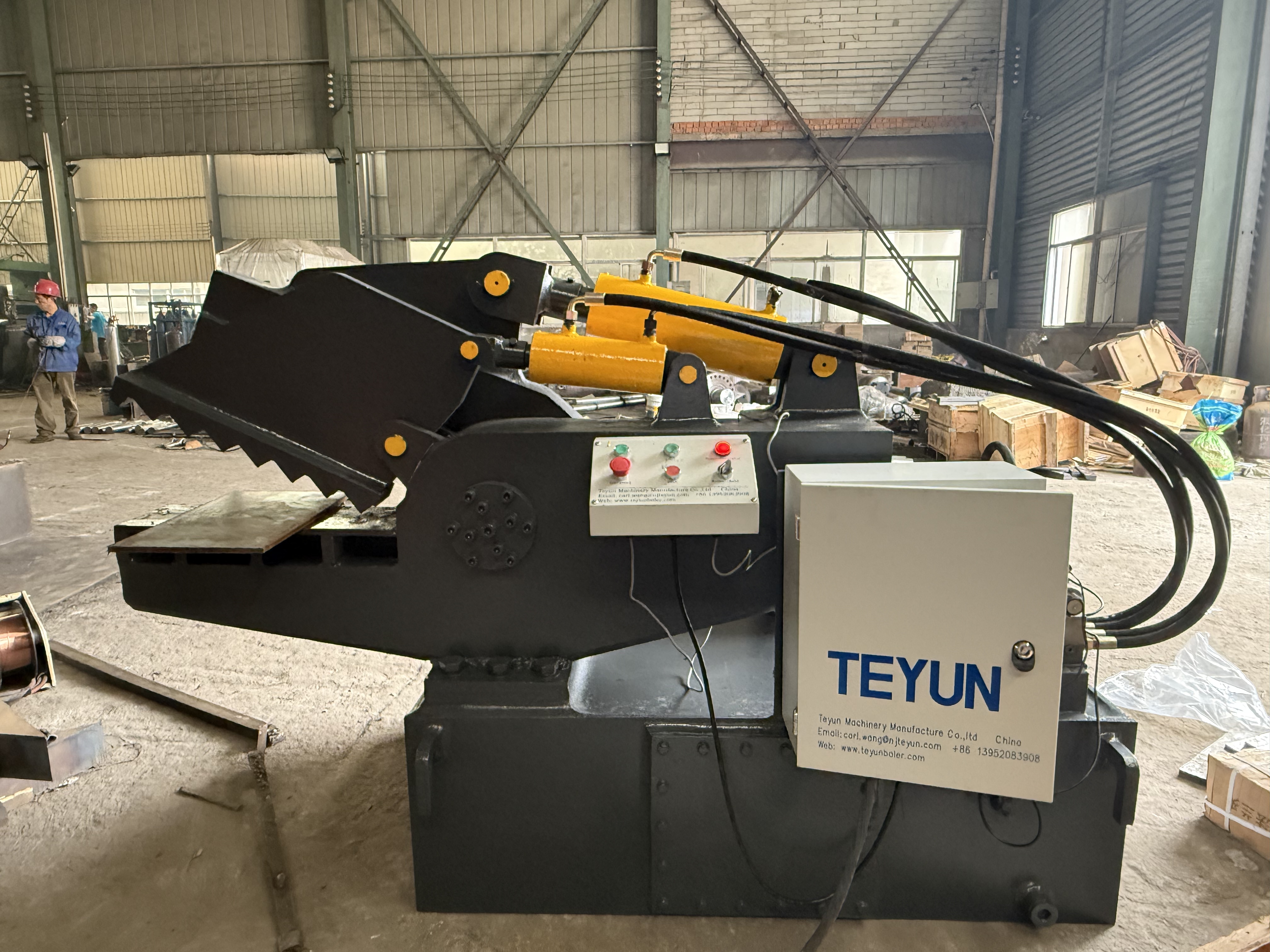
The Tiger Shearing Machine Precision and Power in Metal Fabrication
In the demanding world of metal fabrication, efficiency, precision, and safety are paramount. The Tiger Shearing Machine stands as a formidable piece of equipment designed to meet these exacting standards. This powerful machine is engineered for the clean, straight-line cutting of sheet metal, plates, and other metal forms, serving as a cornerstone technology in workshops, manufacturing plants, and steel service centers globally.
At its core, the Tiger Shearing Machine operates on a simple yet highly effective principle. The metal workpiece is securely clamped onto a robust table. A moving upper blade, driven by a powerful mechanical or hydraulic system, then descends with immense force against a fixed lower blade. This scissor-like action shears the metal along a straight line, producing a clean edge with minimal deformation. The "gap" between these two precisely ground blades is adjustable, allowing operators to tailor the machine for different material thicknesses and types, from thin mild steel to thicker stainless plates.
What sets the Tiger Shearing Machine apart are its advanced features that enhance performance and usability. Modern models are often equipped with CNC (Computer Numerical Control) systems. This allows operators to program the back gauge—a critical fence that positions the metal—for repetitive cuts with microscopic accuracy. This automation drastically reduces human error, material waste, and setup time. Furthermore, built-in safety mechanisms are integral. These include two-handed operation controls, light curtains, and physical guards that ensure the operator's hands are clear before a cut is initiated, creating a secure working environment.
The applications of this machine are extensive. It is indispensable for creating precise blanks for subsequent processes like punching, bending, or welding. Whether preparing components for machinery, architectural frameworks, automotive parts, or household appliances, the shearing machine provides the first, critical cut. Its ability to handle various metals makes it exceptionally versatile.
The primary advantages of utilizing a Tiger Shearing Machine are clear. It delivers unmatched productivity through rapid, consistent cutting cycles. The superior cut quality minimizes the need for secondary edge finishing. Enhanced operator safety is a fundamental design priority. Finally, the remarkable versatility in handling different dimensions and grades of metal makes it a highly cost-effective, long-term investment for any serious metalworking operation.
In conclusion, the Tiger Shearing Machine is far more than a simple cutter; it is a symbol of controlled power and technological refinement in industrial manufacturing. By seamlessly blending raw force with digital precision and rigorous safety standards, it empowers industries to shape the modern world, one precise cut at a time.
All-Aluminum pickup truck camper shipping to Europe!
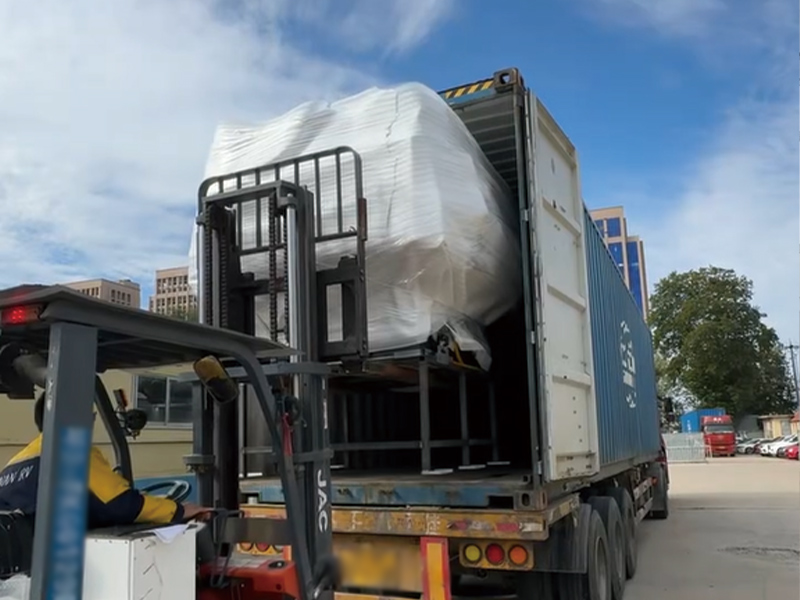
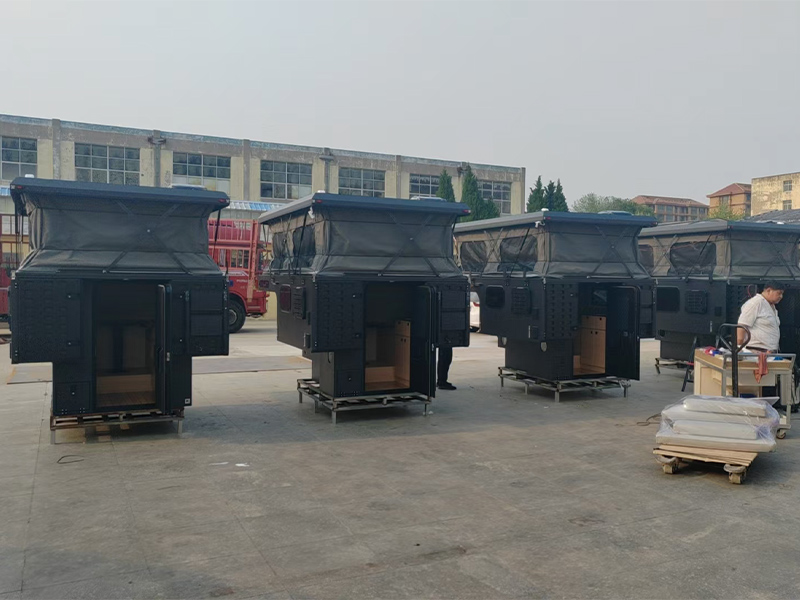
Recently MGK 4 pickup truck campers completed their final quality inspection, and our logistics team arranged professional container packing and export handling this week.
This new order was placed by a European customer who selected four different customized models, each tailored to specific travel and vehicle requirements.
MGK Product Highlights
· Full aluminum body for lightweight durability and corrosion resistance
· Modular interior layout designed according to customer requirements
· Quick installation — compatible with multiple pickup brands and sizes
· Comfort-oriented design: insulation, living facilities, and storage optimization
· Adventure-ready for long-distance travel and off-road environments
Fast Manufacturing + Smooth Delivery
Designed and produced efficiently — no delays. Despite the customized configurations, our production team ensured fast turnaround and on-time delivery, thanks to our efficient manufacturing process and strong supply chain support.
· Timely completion despite customization
· Professional container packing
 Contact us today for MGK full catalog & dealer pricing.
Be the first to bring our innovative pickup truck campers to your local market!
Busy Production Season Place Your Orders for Q4 ASAP!
With pickup camper demand surging in Q3, our production lines are running 24/7 to keep up. Several hot-selling campers are already in shortage. To secure inventory and avoid missed opportunities, we recommend our partners confirm Q4 orders ASAP.
To Pickup Modification Shops & Outdoor dealers:
 Wide product range: Aluminum pickup truck camper, Fiberglass pickup truck camper, canopy, tent, roof car tent, RV accessories etc.
 MOQ: just 1 set.
Customize for any camper: Ford F150, Toyota Tundra, Ford Ranger, Toyota Hilux, Dodge RAM, JMC Grand Avenue etc.
Free installation training + CE certification included.
Sweet after-sales service: We have dedicated account manager for orders or issues, responding within 8 hours.
 To receive the full catalog & dealer price list, come and send inquiries. One step ahead of time, you can seize the market first!
Growing Interest from South America MGK City-Type Pickup Truck Camper Gains Popularity
MGK Chinese factory for truck camper. Looking for distributor cooperation.
Recently, MGK has received increasing inquiries from South American customers for our city-type pickup truck camper, showing a strong passion for camping and outdoor adventures in the region.
Designed for both city driving and outdoor exploration, this pickup camper offers a safe and comfortable living space in the wild. It is fully equipped with a bed, sofa, table and chairs, air conditioning, storage cabinets, kitchen, and water & power systems, making every journey more enjoyable and worry-free.
Opportunities for South American Dealers:
If you are a South American dealer interested in pickup trucks or camping products, welcome to visit
 http://www.magitrek.com/ to explore detailed product information.
Key Information Dealers Should Know:
Flexible Shipping Options & Low MOQ
We offer CIF shipping to designated ports in your country.
20ft container: loads 2 units; 40ft container: loads 4 units.
We suport MOQ: 1 unit.
Customize For Any Pickup Truck
We support one-to-one customization for pickup trucks like Ford F150, Toyota Tundra, Ford Ranger, Toyota Hilux, Dodge RAM, JMC Grand Avenue, and more. Dealers can choose from the widest range of pickup truck models available locally for customization.
After-Sales Support You Can Rely On
Upon delivery, we provide clear installation instructions and guidance. Should any issues arise, our sales and technical team will respond within 8 hours, offering prompt and effective solutions to ensure a smooth experience.
MGK looks forward to working with more partners in South America and supporting the growing demand for pickup truck campers and outdoor adventure solutions!
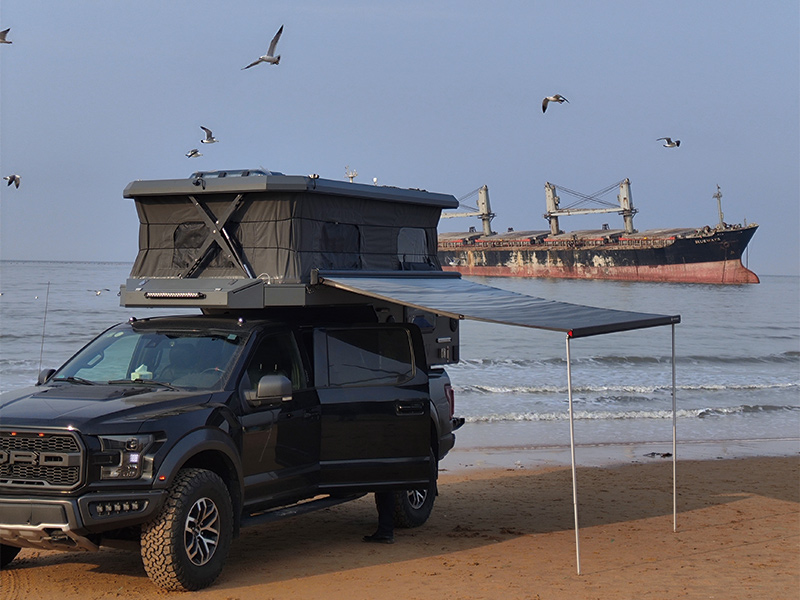
How to Choose the Right Pop Up Truck Camper for Your Vehicle?
Boost Your Sales with MGK Pop Up Truck Campers!
MGK Chinese factory for truck camper.
Looking for distributor cooperation.
Looking for the perfect pop up truck camper for your customers? At MGK, we provide tailored solutions for every type of truck, ensuring a perfect fit and optimal performance.
1. Match Camper to Truck Size:
· Mid-size Trucks: Models like Ford Ranger, Toyota Hilux, Isuzu D-Max, and Nissan Navara are ideal for compact yet versatile campers. Our designs maximize space without compromising driving comfort.
· Big-Size Trucks: Trucks such as Ford F-150, Toyota Tundra, and Ram offer higher payloads, allowing for more spacious campers with advanced features.
· Extra-Large Trucks: Vehicles with a truck bed longer than 2 meters can accommodate MGK’s fully customized large campers, perfect for extended trips or additional gear.
2. Choose Camper Style Based on Your Adventure:
· Off-Road Enthusiasts: For those who love rugged terrain, the MGK Off-Road Camper is lightweight, durable, and built for adventure with a bold, stylish design.
· Family Travelers: If comfort and space are your priority, the MGK City-Type Camper offers generous interior space, robust construction, and all the features your family needs for a smooth journey.
At MGK, whether you want specialized storage, unique layouts, or high-end finishes, we welcome dealers and customers to explore the full range of possibilities!
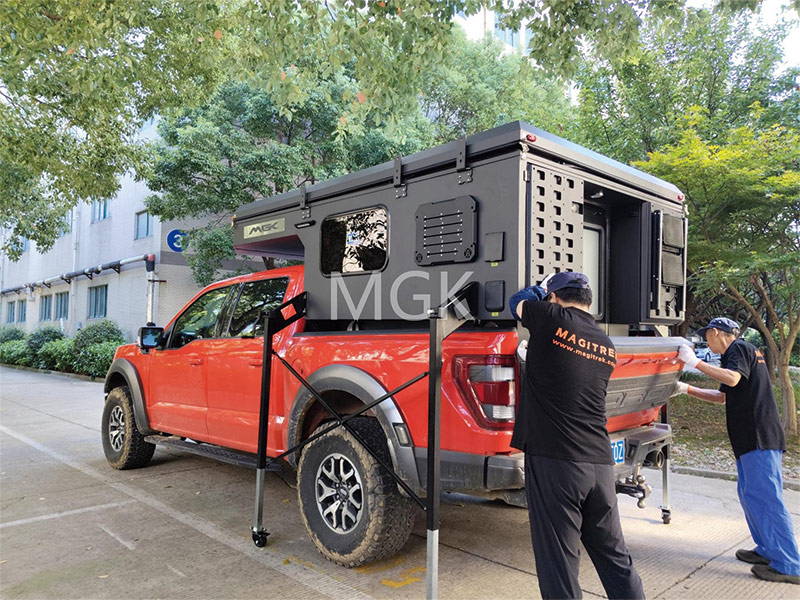
MGK All-Aluminum Pickup Camper Showroom Debuts
Recently the sample room of MGK all-Aluminum pickup truck camper has been arranged. Designed specifically for pickup trucks, this camper offers an ideal mobile living solution for outdoor enthusiasts and practical users yearning for a life of freedom.
Here are the main configurations for this camper:
1. Features a full aluminum framework and shell, the camper is high in strength and light in weight.
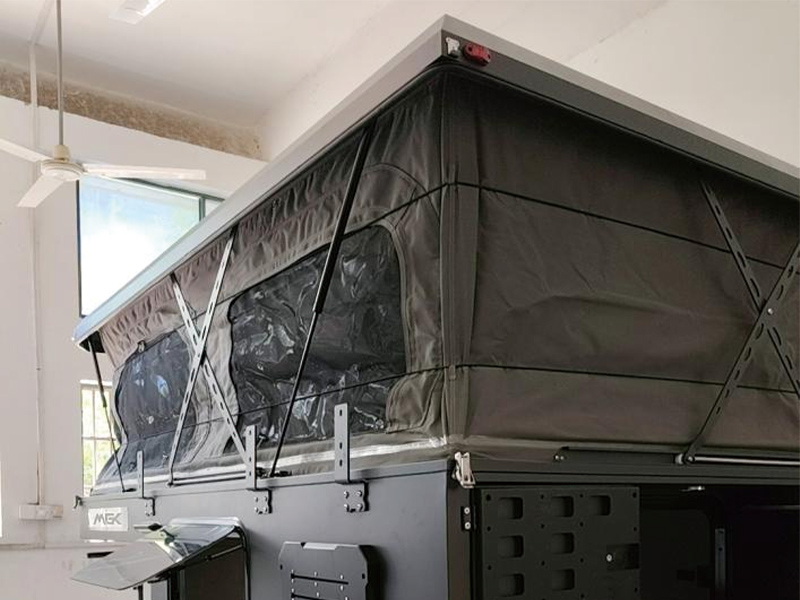
2. The manual pop-up roof is made of UV-resistant soft canopy fabric with integrated thermal insulation which is comfortable in diverse climates.
3. Equipped with dedicated RV entry door (double-layer construction with built-in screen door) and side windows for security, ventilation, and natural light.
4. Multi-purpose lounge: the seats with a central table create a flexible dining/work/relaxation zone.
5. Spacious Rest Area: Features a large, dedicated bed accommodating 2-3 adults.
6. Storage space, circuit system, water system are all available.
MGK focuses on pickup truck camper and relative products, providing diverse solutions for outdoor camping enthusiasts!
Welcome inquiry!