Which Standards Apply to Moving Die Rheometer Testing?

Which Standards Apply to Moving Die Rheometer Testing?
In the process of rubber material research and development and quality control, vulcanization characteristic testing is a key step in determining the stability and consistency of product performance. The Moving Die Rheometer (MDR), as one of the most widely used vulcanization performance testing instruments today, is extensively applied in the fields of tires, seals, industrial rubber products, footwear materials, and high-performance elastomers.

However, when using a Rotorless Rheometer in practice, many users often face a core question:
Which standards should MDR testing be based on?
What are the differences between different standards?

How should one choose a testing specification that suits their laboratory or customer requirements?

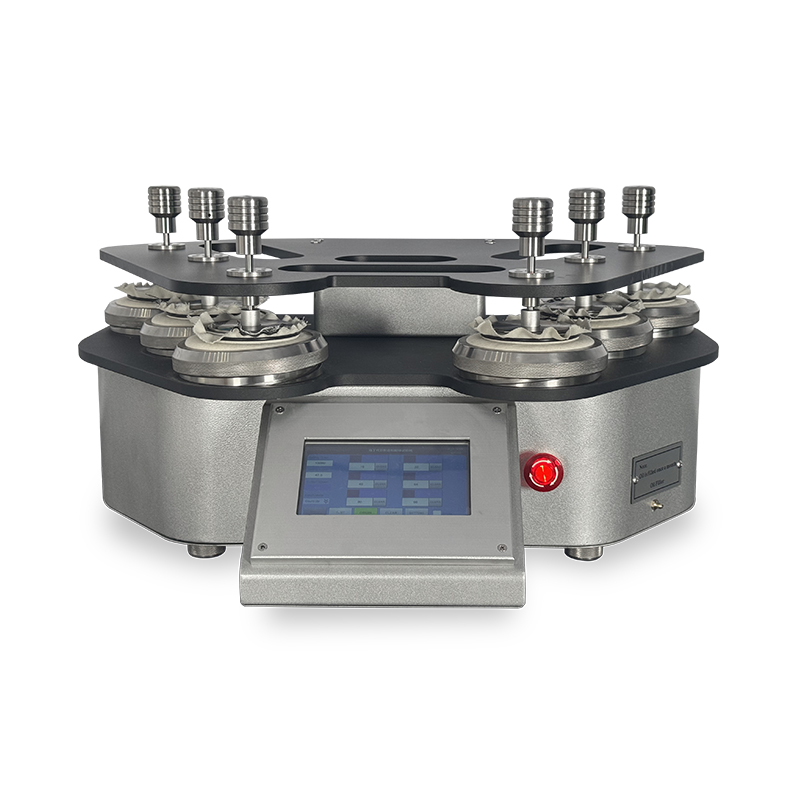
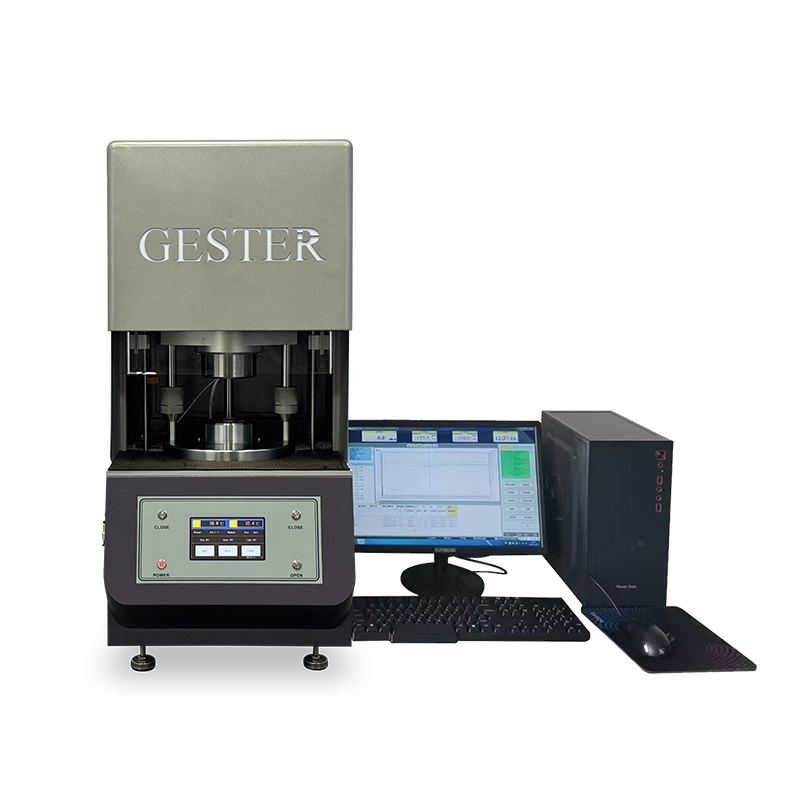
rheometer test for rubber

I. The Role of the Rheometer Test for Rubber

Moving Die Rheometer is specifically designed to determine the rheological properties of rubber compounds during the curing process.

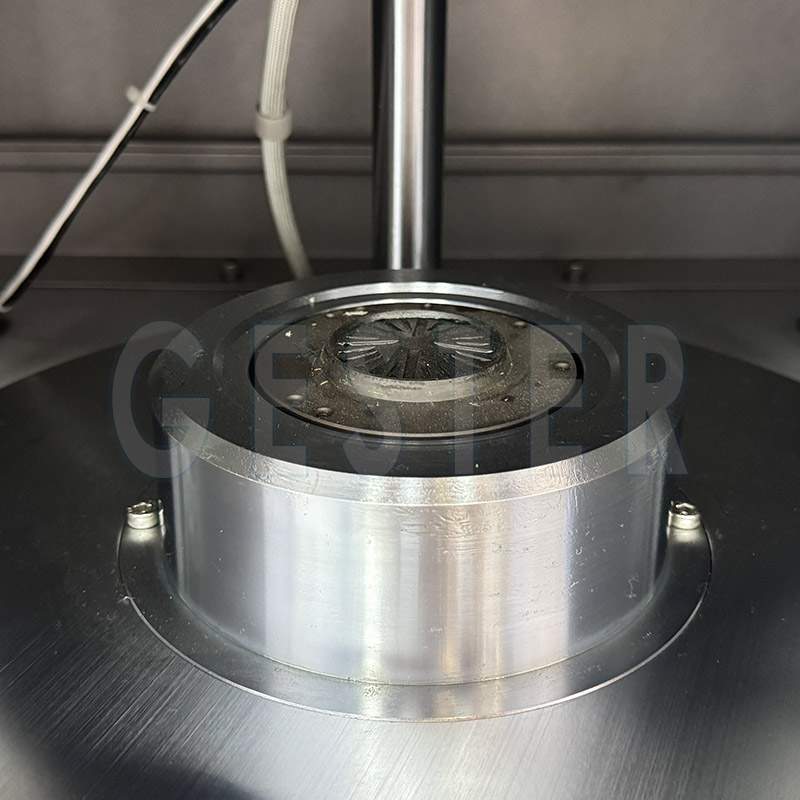
In the moving die rheometer, a rubber compound specimen positioned in a pressurized cavity is subjected to controlled heating. As the lower die produces sinusoidal oscillation, a torque sensor on the upper die detects the torque generated by the specimen.

II. Features of the Moving Die Rheometer

Equipped with advanced rheometer software, the moving die rheometer is specifically designed to analyze the curing characteristics of rubber compounds, including scorch time, cure time, cure rate, viscoelasticity, and cure plateau.

Scorch Time: Refers to the time experienced by the rubber compound during heating, from the start of temperature increase to the point before obvious crosslinking reactions occur and the torque begins to rise significantly. It reflects the processing safety of the compound—the longer the scorch time, the less likely premature crosslinking (scorching) will occur during processing, and the higher the processing safety.

Cure Time: Refers to the time required for the rubber compound from the start of vulcanization until the crosslinking reaction reaches a stable state (the torque reaches a maximum or stable value). It determines the actual vulcanization process duration of rubber products and is the core basis for setting production process parameters.

Cure Rate: Reflects the speed of the crosslinking reaction of the rubber compound during vulcanization, usually expressed as the reciprocal of the cure time or the slope of the torque rise stage. The cure rate directly affects production efficiency and also influences the final properties of the compound.

Viscoelasticity: The comprehensive viscous and elastic characteristics of the rubber compound during the vulcanization process, reflected through the dynamic changes in torque. Viscoelasticity directly affects the mechanical properties of rubber products (such as tensile strength, elasticity, abrasion resistance, etc.).

Cure Plateau: Refers to the stage after the rubber compound reaches a stable vulcanized state, during which the torque remains constant. The magnitude of torque during the plateau reflects the sufficiency of the crosslinking reaction. A longer plateau indicates better vulcanization stability of the compound and more stable performance of the final product.


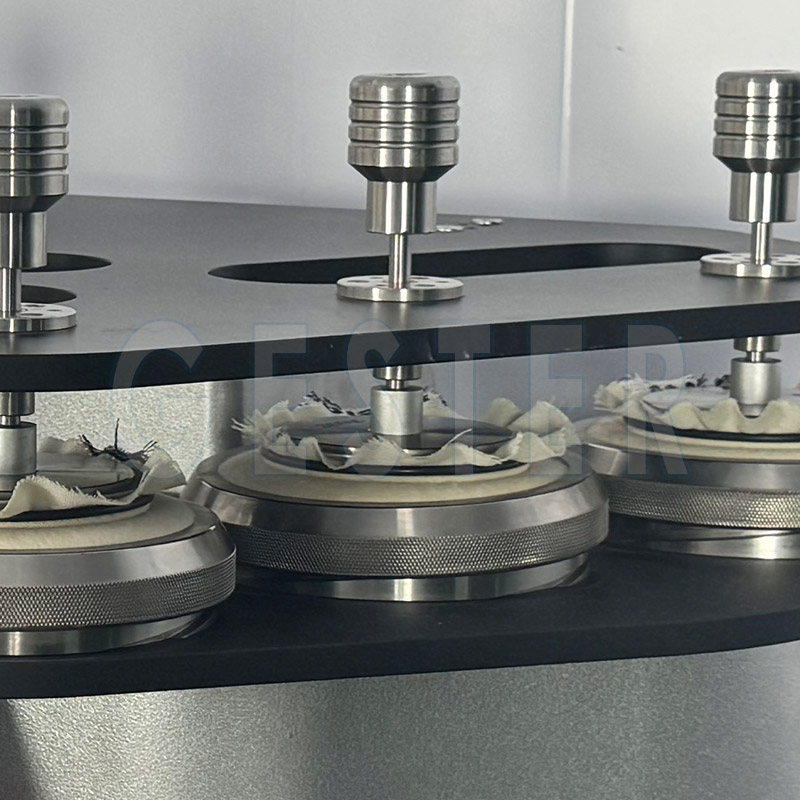
rheometer test for rubber


III. Which Standards Does the MDR Rheometer Comply With?


The Moving Die Rheometer complies with the following standards:
GB/T 16584-1996, ISO 6502-3:2018, ASTM D5289-2017

1. ISO 6502-3:2018

ISO 6502-3:2018 for determining selected vulcanization characteristics of a rubber compound by means of a rotorless curemeter is one of the internationally recognized standards for rubber vulcanization performance testing, and it is particularly applicable to testing scenarios using a Moving Die Rheometer.

A test piece of rubber is placed in a heated cavity formed by two dies, one of which is oscillated at a given frequency and amplitude. This action exerts a shear strain on the test piece and a shear torque which depends on the stiffness (shear modulus) of the rubber. The torque that increases as vulcanization proceeds is measured by a torque sensor incorporated in the other die member. The torque is recorded autographically as a function of time.

The stiffness of the rubber test piece increases as vulcanization proceeds. The curve is complete when the recorded torque rises either to an equilibrium value or to a maximum value (see ISO 6502-1).

2. ASTM D5289-2017

ASTM D5289 Standard Test Method for Rubber Property—Vulcanization Using Rotorless Cure Meters.

This test method is used to determine the vulcanization characteristics of (vulcanizable) rubber compounds. It may be used for quality control in rubber manufacturing processes, for research and development testing of raw rubber compounded in an evaluation formulation, and for evaluating various raw materials used in preparing (vulcanizable) rubber compounds.

The test specimen in a rotorless cure meter approaches the test temperature in a shorter time, and there is a better temperature distribution in the test specimen due to the elimination of the unheated rotor found in oscillating disk cure meters.

Several manufacturers produce rotorless cure meters with design differences that may result in different torque responses and cure times for each design. Correlations of test results between cure meters of different designs should be established for each compound tested and for each set of test conditions.

3. GB/T 16584-1996

GB/T 16584-1996 is one of the important standards formulated in China for rubber vulcanization characteristic testing and has long been widely adopted in the domestic rubber industry. This standard specifies in detail the test methods for determining rubber vulcanization characteristics using rotorless or moving die rheometers.


The characteristics of this mdr test rubber standard include:
It is applicable to most general-purpose rubbers and formulation systems.
It clearly specifies requirements for test temperature, oscillation frequency, and strain conditions.


The Moving Die Rheometer strictly follows appropriate testing standards. Whether GB/T, ISO, or ASTM, the existence of these standards is intended to ensure reliable test data and compliant product quality, and they are also an important guarantee for promoting industry standardization and high-quality development.

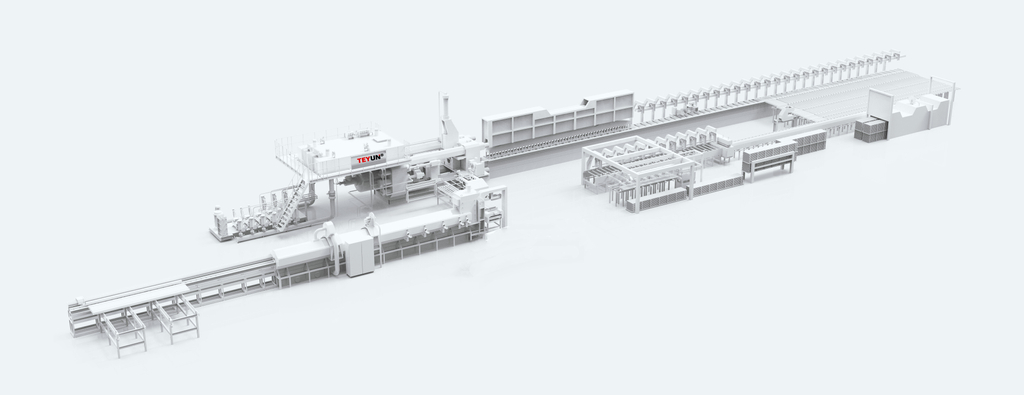
A Buyer’s Guide to the 1100-Ton Aluminum Extrusion Line | Teyun Machinery

A Strategic Investment: Why the 1100-Ton Aluminum Extrusion Line is the "Sweet Spot" for Manufacturers

As a procurement director or plant manager in the metal processing industry, purchasing a new extrusion press is rarely just about adding capacity; it is about securing the long-term profitability and competitiveness of your entire facility.

With the global demand for lightweight, durable aluminum profiles surging—driven by the construction, solar energy, and automotive sectors—choosing the right equipment is critical. When evaluating suppliers, the 1100-ton aluminum extrusion line consistently emerges as the "sweet spot" for mid-to-large-scale manufacturers.

Here is a look at why this specific tonnage is a highly strategic investment, and what buyers should prioritize when evaluating a manufacturing partner like Teyun Machinery.

1. The Perfect Balance of Versatility and Power

From a production standpoint, an 1100-ton press offers unmatched versatility. It is powerful enough to handle a vast array of industrial and architectural profiles—such as window and door frames, LED heat sinks, and solar panel mounting structures—without the excessive energy consumption and massive footprint of a 2000+ ton machine.

For a manufacturing facility, this means you can accept a wider variety of client orders while maintaining high utilization rates. The 1100-ton capacity ensures that the machine is rarely sitting idle, providing a much faster return on investment (ROI) compared to highly specialized, oversized presses.


2. Total Cost of Ownership (TCO) vs. Initial Price

When sourcing heavy machinery, the initial capital expenditure is only the tip of the iceberg. Professional buyers know that the Total Cost of Ownership (TCO) is what truly matters. We look for:

  • Energy Efficiency: Modern hydraulic systems and advanced servo motors that reduce electricity consumption per ton of aluminum extruded.

  • Yield Rate: High-precision alignment and stable pressure delivery to minimize scrap rates and ensure consistent profile quality.

  • Uptime and Maintenance: Readily available spare parts, intuitive PLC control systems for easy troubleshooting, and robust structural engineering that withstands 24/7 operation.

The 1100-ton extrusion line from Teyun is engineered exactly with these operational realities in mind, ensuring that your long-term running costs are kept strictly under control.

3. The Value of a Complete Turnkey Solution

Sourcing an extrusion press is complex because the press does not operate in a vacuum. It requires a synchronized ecosystem: billet heating furnaces, die ovens, handling tables, pullers, cooling beds, stretchers, and aging ovens.

Procuring these components from different vendors often leads to integration nightmares, software incompatibilities, and finger-pointing when a breakdown occurs. Partnering with a comprehensive manufacturer like Teyun eliminates this risk. By providing a complete, synchronized 1100-ton aluminum extrusion line, buyers benefit from a single point of accountability. This ensures seamless installation, uniform warranty coverage, and a much smoother transition from commissioning to full-scale production.


4. After-Sales Support and Global Reliability

Even the best machinery requires maintenance and operational fine-tuning. For international buyers, the greatest fear is purchasing a machine and being left stranded without technical support.

When evaluating a manufacturer, their commitment to post-installation service is just as critical as the steel used to build the machine. A reliable partner provides detailed operational training, rapid troubleshooting, and global parts availability, ensuring your production line never suffers from prolonged, costly downtime.


Final Thoughts for Procurement Teams

Upgrading your facility with an 1100-ton aluminum extrusion line is a major capital decision that dictates your production capabilities for the next decade. By focusing on equipment versatility, turnkey integration, and long-term TCO, you can safeguard your investment.

If your facility is ready to scale its aluminum profile production with reliable, professional-grade machinery, exploring a fully integrated line is the most secure path forward.

[Contact the engineering team at Teyun Machinery today] to discuss your specific throughput requirements, floor space, and how an 1100-ton extrusion line can optimize your manufacturing floor.


Maximize Recycling Efficiency The Ultimate Guide to Professional Baling Solutions

The global recycling industry demands robust, reliable, and highly efficient machinery to handle ever-increasing volumes of industrial and commercial waste. Whether your facility processes end-of-life vehicles, industrial metal offcuts, or everyday recyclables like cardboard and PET bottles, investing in the right equipment is critical for your bottom line.

At Teyun Machinery, we engineer professional-grade compaction solutions designed to drastically reduce waste volume, slash transportation costs, and optimize your valuable stock space. Our equipment is manufactured to meet rigorous international standards, ensuring seamless operation for clients worldwide.

Maximizing ROI with Heavy-Duty Solutions

When dealing with massive volumes of ferrous and non-ferrous metals, standard pressing equipment simply cannot deliver the necessary density. Our heavy-duty hydraulic metal baler machine range is built for the harshest industrial environments. Offering capacities from 150 tons up to a staggering 2000 tons, these machines deliver unmatched compressive force to handle structural steel, copper wire, and aluminum extrusions.

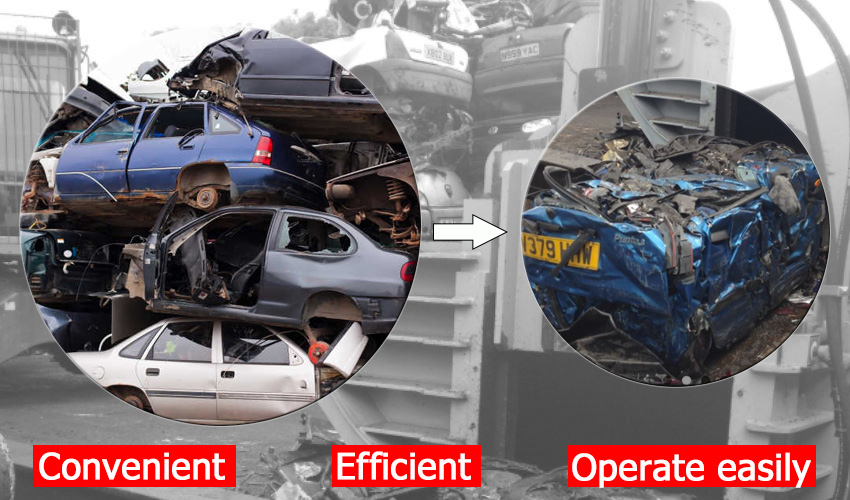
For automotive recycling centers, managing bulky, irregular vehicle shells is a notorious logistical headache. Our specialized car baler is specifically designed to solve this problem. After tires and motors are removed, this powerful machine compresses stripped car bodies into dense, uniform, and easily stackable blocks, instantly transforming your scrap yard's workflow and maximizing payload for outbound freight.


Tailored Equipment for Diverse Waste Streams

We understand that no two recycling facilities are exactly the same. Depending on your material throughput and space constraints, we offer a diverse range of operational designs.

Facilities requiring continuous, high-volume processing of scrap metals benefit immensely from a heavy-duty horizontal baler. These machines support automated feeding systems, ensuring your production line never stops.

Alternatively, if your facility handles lighter, looser materials such as waste paper, plastics, or used clothing, a space-saving vertical baler provides the perfect balance of high bale density and a compact, factory-friendly footprint.


Engineering Excellence and Global Reliability

What sets a premium scrap metal baling machine apart is the precision of its engineering and its adaptability to your specific workflow. We offer multiple bale discharge methods—including side push out, front push out, turn out, and manual handling—ensuring seamless integration into your existing processing line. Whether you require fully automatic operation for peak productivity or manual controls for specific sorting tasks, our equipment delivers uncompromising performance.

Car Baler for recycling&baling the waste car body or car shell


Frequently Asked Questions (FAQ)

Q1: What types of materials can your machines process?
A: Our equipment is highly versatile. We offer specialized models for heavy scrap metal, car bodies, aluminum profiles, as well as non-metal recyclables like OCC (cardboard), PET plastic bottles, and textile waste.

Q2: Do you supply and support machinery for international clients?
A: Yes. As a global manufacturer, we export our machinery worldwide. Our equipment is designed to meet international safety and operational standards, ensuring high performance regardless of your geographic location.

Q3: How do I choose the right tonnage for my recycling yard?
A: The ideal tonnage depends on your daily throughput and the thickness of the metal you are processing. A 150-ton machine is excellent for light aluminum or copper, while processing heavy steel scrap or full vehicle bodies may require our 800-ton to 2000-ton models. Our engineering team is available 24/7 to help you calculate the exact specifications needed for your facility.


Upgrade Your Recycling Infrastructure Today

Transforming loose, bulky scrap into valuable, transport-ready commodities requires top-tier machinery. Explore our comprehensive scrap metal baler catalog today and discover how Teyun’s engineered solutions can elevate your recycling operations to the next level.

Revolutionize Metal Recycling The Complete Guide to Industrial Scrap Metal Shears

In the fast-paced metal recycling industry, efficiency is everything. Processing oversized, irregular waste metal into manageable, dense pieces is critical for reducing transportation costs, optimizing storage space, and preparing materials for smelting. To achieve this, scrap yards and recycling centers rely on high-performance cutting equipment engineered for durability and power.

At Teyun Machinery, we specialize in manufacturing premium cutting solutions tailored to the rigorous demands of the recycling sector. Whether you are processing thin copper plates or heavy steel beams, choosing the right scrap metal shear is the first step toward maximizing your operational profitability.

Diverse Shearing Solutions for Every Recycling Need

Scrap metal comes in all shapes, sizes, and densities. To handle this variety, we have engineered a comprehensive lineup of cutting machinery, each designed with specific industrial advantages:

1. The Heavy-Duty Powerhouse

For large-scale steel and iron operations, the Q91 series gantry shear (also known as a guillotine shear) is the ultimate solution. Built for heavy-duty applications, this machine effortlessly slices through waste steel, steel bars, and thick metal plates. Its robust design satisfies the massive demands of large recycling plants, offering continuous, high-speed operation.

2. High-Efficiency Box Shearing

The container shear, often referred to as a horizontal box shear, is incredibly popular due to its compact volume paired with immense cutting efficiency. Featuring capacities ranging from 500 tons to 800 tons, this machine utilizes a large hopper to hold scrap metal while hardened steel blades perform the cut. This enclosed design allows for the safe, easy collection and continuous disposal of processed materials.

3. Versatile and Swift Cutting

When dealing with longer or irregularly shaped metal stocks, an alligator shear machine provides unparalleled flexibility. For higher volume and tougher materials, our upgraded "Tiger Shear" (Super Alligator Shear) offers an expanded cutting opening and longer blade length. These units boast rapid shearing speeds—reaching 8 to 12 cuts per minute—significantly accelerating your workflow.


Premium Features That Drive Performance

What sets a Teyun scrap metal shearing machine apart from the competition is our commitment to advanced engineering and user-friendly operation. Key features across our product lines include:

  • Hardened Steel Blades: Engineered to cut through thick, abrasive metals quickly without rapid dulling.

  • Advanced Control Systems: Featuring fully automatic PLC controls, allowing operators to seamlessly switch between single-cut and continuous operation modes.

  • High-Security Remote Control: Select models can be configured with remote operation, keeping your workforce at a safe distance during heavy processing.

  • Flexible Feeding Mechanisms: Options include hydraulic motor transmission or cylinder push feeding, adapting to your specific material handling setup.

Investing in a reliable hydraulic scrap metal shear is an investment in your company's future throughput. By upgrading your cutting infrastructure, you reduce labor costs, eliminate processing bottlenecks, and prepare your scrap for the highest market value.
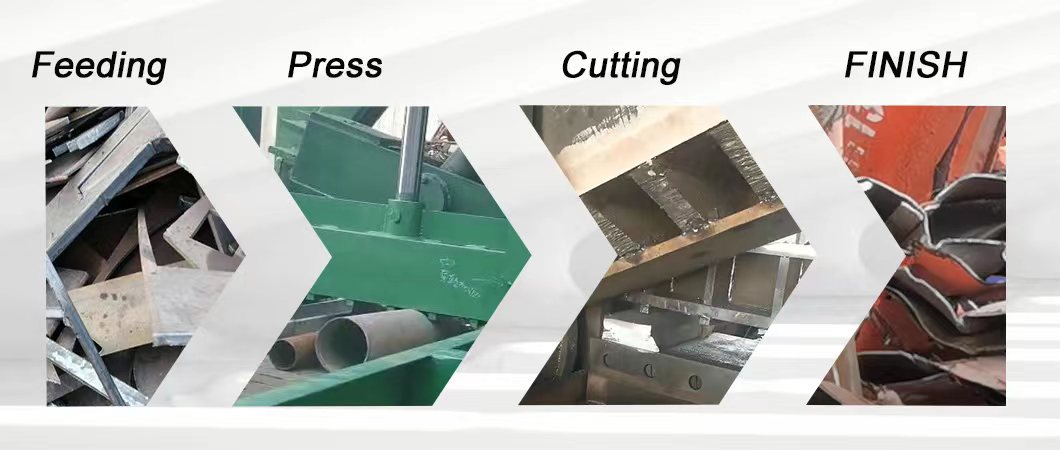
                                      500ton hydraulic container shear for shearing the scrap metal


Frequently Asked Questions (FAQ)

Q1: What is the difference between an alligator shear and a gantry shear?
A: An alligator shear uses a hinged jaw mechanism (like an alligator's mouth) and is ideal for cutting longer, individual pieces of pipe or bar stock. A gantry (guillotine) shear uses a massive, straight-down cutting force, making it suitable for processing large volumes of heavy, thick metal plates and structural steel simultaneously.

Q2: Can your container shears operate automatically?
A: Yes. Our heavy-duty shearing equipment features fully automatic PLC controls, allowing for continuous, high-efficiency operation without the need for constant manual intervention.

Q3: How fast can the Tiger Shear process metal?
A: Our Super Alligator (Tiger) shears are designed for speed and efficiency, capable of achieving 8 to 12 cuts per minute depending on the model (such as our 450 or 630 types) and the material being processed.

The Enhancement Effect of PVD/TiN Coatings on Metal Cutting

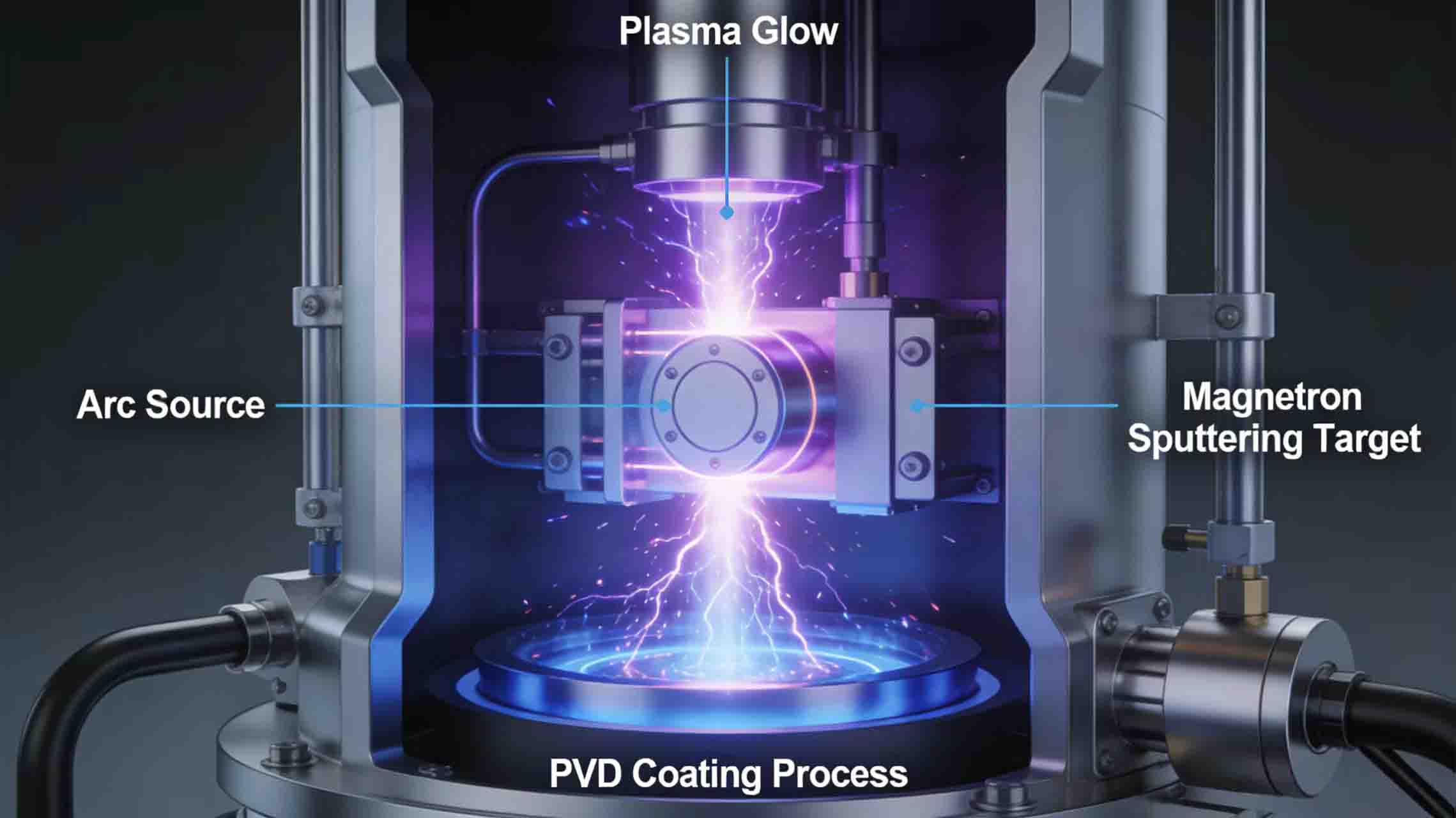
In the field of metal cutting, the performance of blades directly determines production efficiency, machining quality, and overall costs. As modern manufacturing demands increasingly higher cutting precision and efficiency, how to extend the service life of slitter blades, circular blades, and various types of custom blades while ensuring stable cutting performance has become a focal point for both tool manufacturers and end-users. Physical Vapor Deposition (PVD) technology, particularly the application of Titanium Nitride (TiN) coatings, provides an effective solution to this challenge. This article will delve into the enhancement effects of PVD/TiN coatings on metal cutting performance from multiple dimensions.


1. Hardness Increase: Bestowing an "Indestructible" Body on the Blade


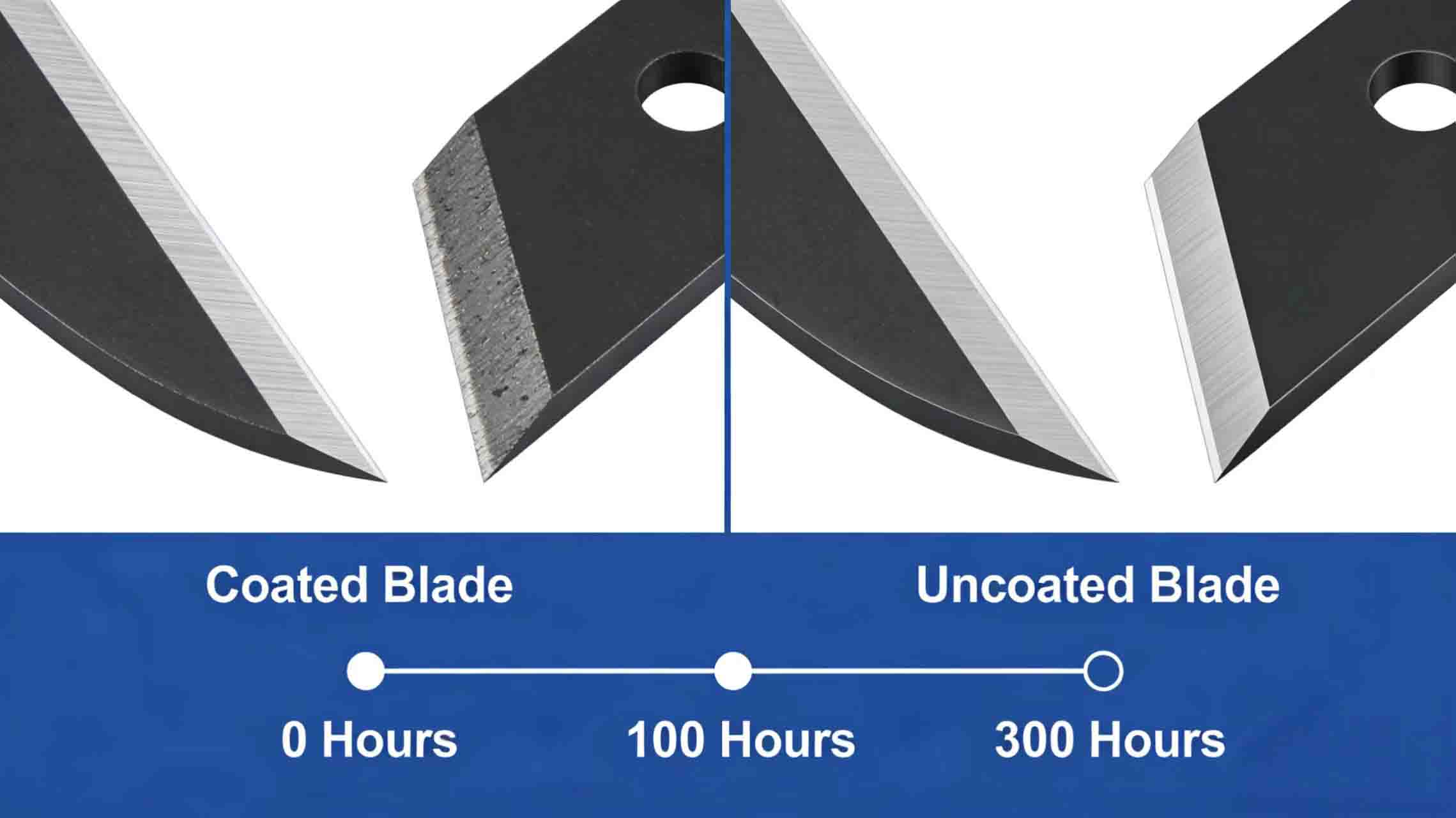
The high surface hardness imparted by coatings is one of the core factors in improving tool life. Research indicates that high-speed steel cutting tools treated with PVD coating can see their hardness significantly increase from approximately 1000 HV0.5 (uncoated) to over 1300 HV0.5. For precision machine blades, this increase in hardness means the blade surface can better resist the micro-cutting action of hard particles within the workpiece material during the cutting process.


 Slitter blades


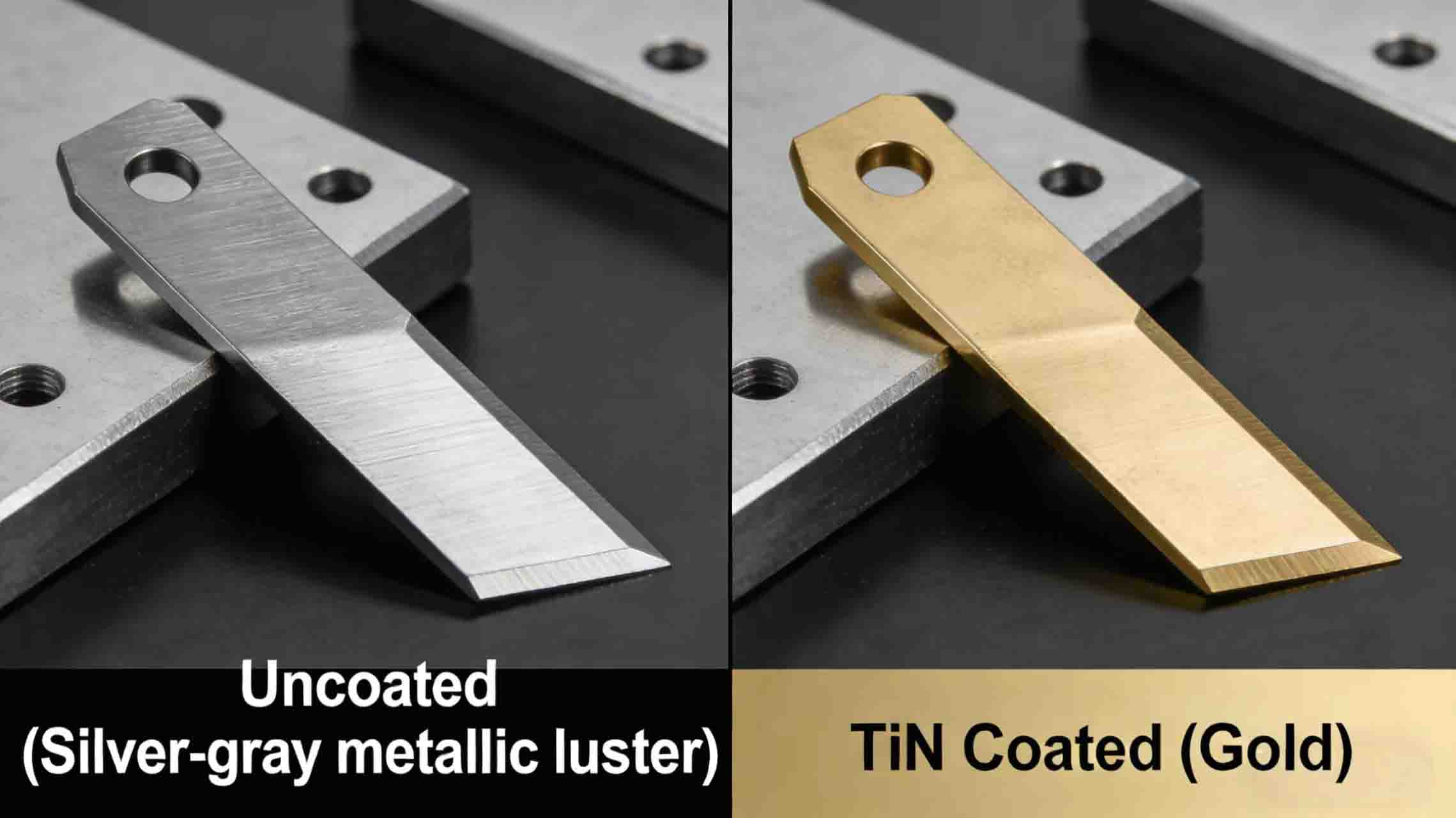
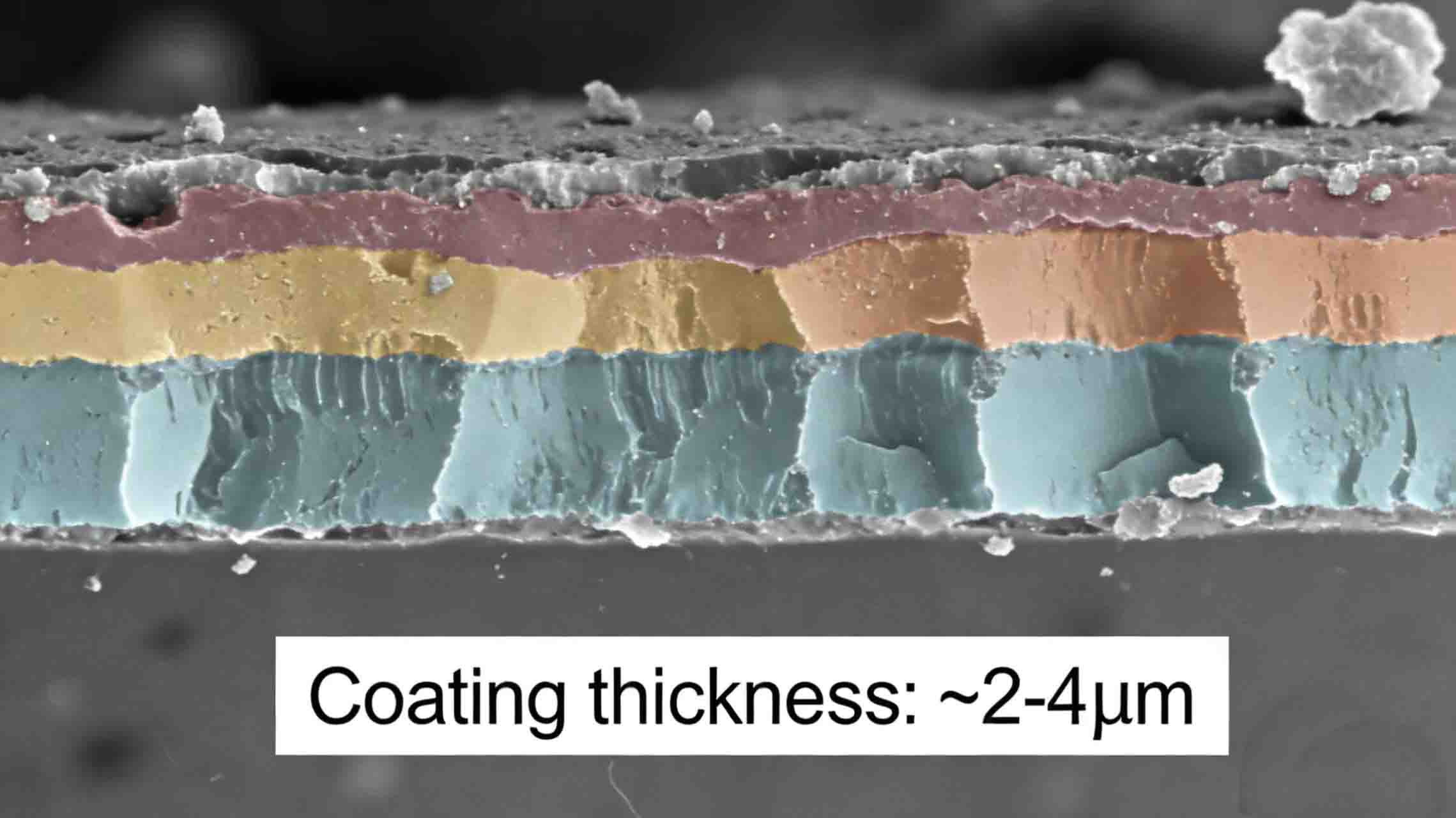
As one of the most classic PVD coatings, Titanium Nitride (TiN) coating can achieve a hardness of Hv 3000-4000. When this ultra-hard thin film covers the surface of CNC machined blades, it acts like a tough "armor" for the blade, enabling it to significantly delay edge wear and maintain sharpness during high-speed continuous cutting of high-strength materials such as silicon steel and stainless steel.


 Slitter blades


2. Reduced Friction Coefficient: Smoother Cutting, Less Heat Generation


A high friction coefficient increases cutting heat, potentially shortening coating life or even causing it to fail. Reducing the friction coefficient can greatly extend tool life. PVD/TiN coatings possess excellent surface lubricity; the smooth and fine coating surface helps chips slide away rapidly from the rake face, reducing heat generation.


For custom slitter blades, intense friction inevitably occurs between the blade and the material being cut during the shearing process. The presence of a TiN coating acts like a solid lubricating film on the blade surface, effectively reducing the friction coefficient. This not only minimizes cutting heat but also prevents high-temperature welding between the blade and workpiece material, thereby maintaining the stability of the cutting process.


 Slitter blades


3. Wear Resistance and Oxidation Resistance: Extending Blade Service Life


Wear resistance refers to the coating's ability to withstand abrasion. PVD coatings significantly enhance the wear resistance of the blade surface by forming a dense film structure. Studies show that the service life of forming tools coated with PVD TiN can be increased by 350-450%, and for cutting tools, the improvement can reach 650-910%. This means that circular blades, which previously required frequent stoppages for replacement, can have their change intervals significantly extended after applying TiN coating, thereby boosting production efficiency.


Oxidation temperature is the temperature at which the coating begins to decompose; a higher oxidation temperature is more favorable for cutting operations under high-temperature conditions. TiN coating exhibits good high-temperature stability. Building on this, TiAlN coatings (appearing violet-blue) perform even better in high-temperature machining because they form an aluminum oxide layer between the tool and chip, transferring heat from the tool to the workpiece or chip.


 Slitter blades


4. Anti-Adhesion Property: Solving the Built-Up Edge Problem


The anti-adhesion property of a coating prevents or mitigates chemical reactions between the tool and the workpiece material, avoiding the deposition of workpiece material onto the tool. When machining non-ferrous metals (such as aluminum, copper, etc.), a built-up edge (BUE) often forms on the tool, leading to tool chipping or workpiece dimension errors.


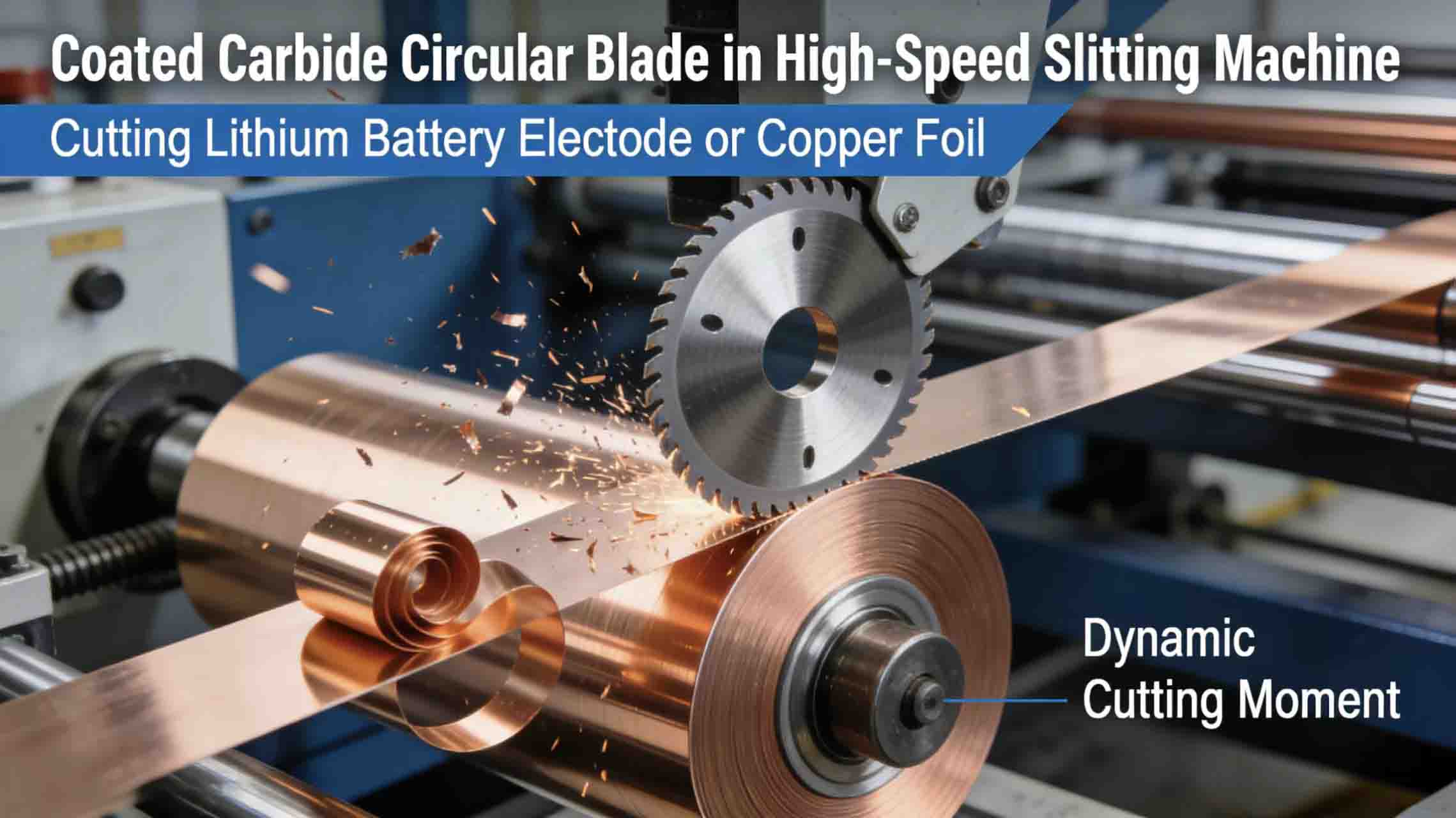
For slitter blades widely used in industries like new energy and electronic materials, anti-adhesion is particularly crucial. During high-speed slitting of lithium battery electrodes or copper/aluminum foil, once the material being processed starts to adhere to the blade, the adhesion expands continuously, eventually causing burrs or tears on the cut edge. PVD/TiN coatings, with their chemical inertness and smooth surface, effectively inhibit material adhesion, ensuring clean and flawless cut edges.


5. Practical Application Results: Data Witnessing Performance Enhancement


Numerous studies confirm the outstanding performance of PVD coatings in practical cutting applications. In a drilling study on SKD11 and SCM4 materials (widely used in automotive and mold industries), test results showed that when machining with carbide drills, tool life with cutting fluid was extended more than nine times compared to dry machining. Furthermore, when machining SCM4 material, the single-layer TiN coating performed best.


For custom blades, selecting the appropriate coating type is critical. Different coatings have their own characteristics: Titanium Nitride (TiN) coating (golden color) is a general-purpose PVD coating that increases tool hardness and has a high oxidation temperature; Titanium Carbonitride (TiCN) coating (rainbow color) incorporates carbon, increasing hardness by about 33% compared to TiN; Titanium Aluminum Nitride or Aluminum Titanium Nitride (TiAlN/AlTiN) coating (violet-blue) is suitable for carbide tools in dry or semi-dry machining.


 Slitter blades


6. Mingbai Technology's Coating Application Practice


As a professional tool manufacturer, Mingbai Mechanical Tool Technology Co., Ltd. fully understands the decisive role of coating technology in blade performance. In the production of our CNC machined blades, high-precision circular blades, and various custom slitter blades, we extensively apply advanced PVD coating technology, recommending the most suitable coating solutions based on the customer's specific machining conditions.


Whether it's slitter blades for high-speed shearing of silicon steel or circular blades for slitting lithium battery electrodes, Mingbai Technology, through precise coating selection and process control, provides customers with longer blade life, more stable cutting quality, and lower overall operating costs.


Conclusion


PVD/TiN coating technology, with its outstanding performance in hardness enhancement, friction reduction, wear and heat resistance, and anti-adhesion, is profoundly changing the landscape of metal cutting. As a tool enterprise driven by technological innovation, Mingbai Technology will continue to deepen its expertise in coating application technology, delivering greater value to global customers through higher quality precision machine blades and more reliable custom blades.

Website: www.mingbaiblade.com

How to Avoid Pitfalls When Buying Commercial Floor Scrubbers?

Choosing the right commercial floor scrubber is crucial! Many property managers and store owners fall into traps as soon as they buy: either overpaying for impractical machines or encountering problems after just a few uses. By mastering the following key points, you can reduce your risk of making a bad purchase by at least 80%.


Match the Scene, Choose the Right Type

Never follow trends blindly, thinking bigger machines mean higher efficiency.

Small areas (corridors, convenience stores, nursing homes):Choose walk-behind floor scrubbers. They are lightweight, flexible, fit into narrow spaces, and you won’t waste money on ride-on models.


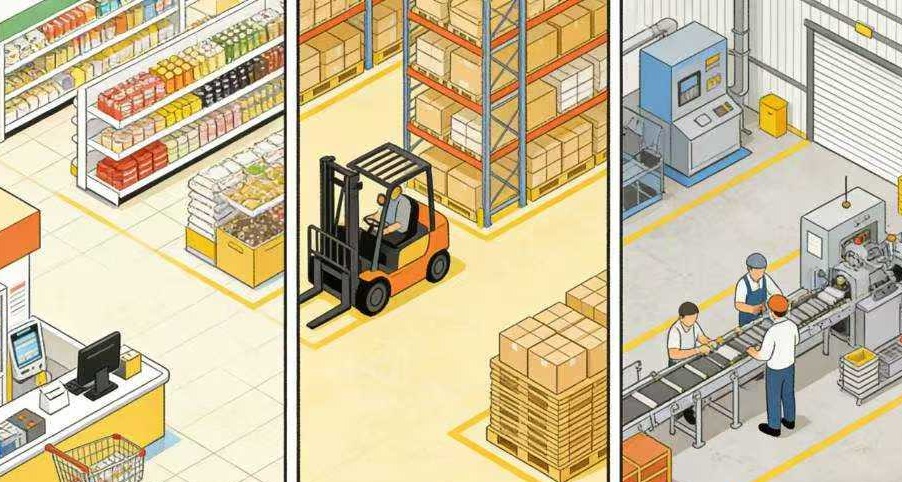
Large areas (supermarkets, warehouses, factories):Choose ride-on floor scrubbers for higher efficiency, saving both labor and time.


Models like the JIECHI A3 walk-behind floor scrubber and A7 ride-on floor scrubber are highly suitable for their respective scenes and proven effective by many customers.


Focus on Core Parameters for Durability

You don’t need fancy functions for commercial floor scrubbers—just focus on 3 key points:

Strong suction: Handles food crumbs, beverage spills, and stubborn stains.Long battery life: Essential for full-day operation, avoiding downtime from recharging.Sturdy build: For heavy commercial use, lower failure rates are critical.


Prioritize After-Sales Service and Cost Performance


Choose reputable brands with comprehensive after-sales support.Commercial equipment may have minor issues; fast service and guaranteed core parts mean fewer disputes later.Never buy unknown cheap brands: They seem cost-effective at first, but lead to high repair costs and costly downtime.


Real Customer Case


A clothing factory owner once bought a cheap, unknown-brand walk-behind scrubber. Within months, it suffered from weak suction, poor battery life, and failed to charge properly after only 3 months. Repairs were expensive, and cleaning efficiency dropped sharply.After this bad experience, the customer hesitated for a long time before switching to the JIECHI A3 walk-behind scrubber—and has been very satisfied.This model is specially designed for small-to-medium spaces:

  • Lightweight and maneuverable in narrow aisles.
  • Strong enough for daily crumbs and liquid spills.
  • One full charge supports a full day’s cleaning.
  • Easy to operate with almost no quality issues.
  • Fast technical support, usually responded to on the same day.


The store now only needs one cleaner, no more repeated mopping or bending. The saved time can be used for shelf cleaning, and the store is much brighter.Truly, you get what you pay for.

Master Early Concrete Cutting with SANG Diamond Soff-Cut Blade

For concrete professionals, uncontrolled cracking isn’t just an imperfection—it’s a costly failure. The solution lies in precision timing and superior tooling. Introducing the SANG Diamond Soff-Cut Early Entry Saw Blade Series, engineered to transform the critical window after the pour into a period of flawless control.


The battle against random cracking is won in the first hours. Early entry saws—also known as green or soff-cut saws—are designed to create control joints in fresh concrete, typically within 1-24 hours after pouring. This is when internal stresses begin to develop as the slab hydrates. Cutting  with the Soff-Cut blades relieves these stresses predictably, guiding where the concrete cracks, instead of leaving it to chance. Operating outside this zone risks damaging both the blade and the saw, while inviting the random, costly cracking every contractor dreads.


The SANG Soff-Cut blade is not an afterthought; it's an integral part of the finishing process. Its up-cutting rotation, combined with a pressure-applying skid plate, works to prevent chipping and spalling at the surface. The result is a clean, controlled joint placed efficiently within the first crucial hours.


Diameter

6", 8", 10" , 12", 13.5"

Arbor

Universal arbor to fit 7/8", 1", or Husqvarna triangle arbor

Application

Green Concrete


Key Features for Unmatched Performance:

1. Universal Compatibility: Fits standard 7/8", 1", and Husqvarna triangle arbors, ensuring versatility across equipment.

Triangular Arbor System: Every Soff-Cut blade features the distinctive triangular arbor with a round center


Soff-Cut Early Entry Saw Blade


2. Aggregate-Specific Color Coding: Match the blade to your concrete mix for optimal performance:

Purple – VERY HARD aggregate

Green – HARD aggregate

Red – MEDIUM/HARD aggregate

Orange – MEDIUM aggregate

Yellow – MEDIUM/SOFT aggregate


3. The Arix Segment: Where Precision Meets Power

At the heart of the blade lies the advanced Arix segment technology, delivering performance that conventional blades cannot match.

Consistent Cutting Performance: Diamonds are arranged in a precise, engineered pattern. This ensures even wear and consistent exposure of new diamonds, eliminating hot spots, segment glazing, and unpredictable behavior.

Faster Cutting Speeds: With every diamond optimally placed for cutting, these blades achieve 20–40% faster cutting speeds. Experience less resistance, more efficient material removal, and reduced downtime.

Cleaner, Smoother Cuts: Precision placement minimizes vibration and chipping, which is critical for high-value materials and reinforced concrete. It’s where exceptional cut quality meets high speed.

Reduced Heat Build-Up: Optimized diamond exposure enhances cooling and reduces friction—the primary enemy of blade longevity. Your blade stays cooler and lasts longer.

SANG Diamond Soff-Cut Series


4.Complete System for Flawless Results

Every blade is supplied with a skid plate. For best practice and to maintain the highest standard, change the skid plate when you change the blade. This simple step ensures consistent surface pressure is maintained for chip- and spall-free cuts every time.

Developed for intensive professional use, the SANG Diamond Soff-Cut Series is the ideal choice for specialist contractors who understand that true efficiency means doing it right—the first time, at the right time.

Revolutionizing Surface Preparation The Power of QuikCut PCD Diamond Cutter Drums & Laser Welded Concrete Saw Blades

In the world of road surface preparation, precision, speed, and durability matter more than ever. At SANG Diamond Tools, we’re proud to offer a high-performance solution for professionals in construction, maintenance, and transportation industries:


OEM Truck Attachment Heads QuikCut PCD Diamond Cutter Drums & Laser Welded Concrete Saw Blades


These ground-breaking tools are engineered for removing pavement markings, surface coatings, epoxy overlays, and thermoplastic lines—delivering fast, clean, and efficient results even on the toughest concrete or asphalt surfaces.


What is a PCD Diamond Cutter Drum?

PCD (Polycrystalline Diamond) cutter drums are the cutting edge (literally) in the removal of markings, glue, or resin from roads and highways. Mounted as OEM truck attachments, these tools utilize QuikCut Technology to increase both productivity and longevity.


QuikCut PCD Diamond Cutter Drums


Key Benefits:

Unparalleled Hardness for extended wear
Precise Control for minimal surface damage
High Removal Rates with less downtime
Keyword focus: PCD diamond cutter drum, OEM truck attachment for road marking removal, pavement marking removal tools

Laser Welded Concrete Saw Blades: Where Strength Meets Precision

Our Laser Welded Concrete Saw Blades are designed for professional-grade use in asphalt and concrete cutting. Laser welding ensures that the diamond segments are fused firmly to the blade core, allowing operation at high temperatures without segment loss.


Advantages at a Glance:

Segment Durability for demanding applications
Heat Resistance for longer life
Clean Cutting Finish on concrete, stone, asphalt, and coatings
Keyword focus: laser welded saw blades, concrete cutting saw blade, asphalt saw blade

Efficient Road Marking Removal: Why It Matters
Old road markings, when improperly removed, can cause dangerous driver confusion—particularly in construction zones. That’s why our diamond road removal tools are engineered for speed and cleanliness, reducing ghost lines and improving public safety.

Ideal For:
Municipal Road Maintenance Crews
Highway Contractors
Airport Runway Refurbishment Teams
Keyword focus: road line removal equipment, runway marking removal, thermoplastic line removal tools

Compatibility & Customization
Our OEM truck attachment heads are compatible with most major brands of surface preparation machines, including custom configurations for:
Skid steer loaders
Milling machines
High-speed removal trucks
Need a custom solution for your surface prep challenges? Our engineering team can tailor PCD Cutter Drums and Saw Blades to your specific project requirements.

Built for Performance. Trusted Worldwide.
With customers across North America, Europe, Southeast Asia, and the Middle East, our surface preparation tools are trusted by professionals who demand efficiency, precision, and gear they can depend on.

Take the Next Step Toward Safer, Smarter Roads.
Contact us today to learn more about OEM options, bulk orders, and dealer partnerships!

SANG 350mm Laser Welding Diamond Saw Blade A Practical Guide to Cutting Reinforced Concrete & Asphalt (With Multiple Segment Options)

Science Behind the Cut Why a SANG 350mm (14 inch) Laser Welding ARIX Segment Diamond Saw Blade Excels on Reinforced Concrete


Cutting reinforced concrete is one of the most demanding jobs in construction and renovation. You’re not only slicing through high-strength concrete—you’re also repeatedly hitting steel rebar, abrasive aggregates, dust, heat build-up, and vibration. That’s exactly why blade design matters.

In this product education blog, we’ll break down (in a practical, jobsite-friendly way) how a 350mm diamond saw blade with laser welding and ARIX segment technology improves cutting stability, speed, and service life—especially when the target is reinforced concrete.


1) What Makes Reinforced Concrete So Hard to Cut?

Reinforced concrete is challenging because it combines two very different materials:

  • Concrete: highly abrasive (wears segments fast), often mixed with hard aggregates.
  • Steel rebar: causes impact shock and spikes in cutting temperature, which can weaken bonding and damage segments.

A normal concrete saw blade may cut plain concrete well, but once it repeatedly contacts steel, performance can drop quickly—glazing, slow feed rate, overheating, and accelerated segment loss.


2) Why 350mm (14 inch) Is a Popular “Workhorse” Diameter

A 350mm diamond saw blade (14 inch) is widely used because it balances:

  • Cutting depth for common structural tasks (slabs, beams, walls)
  • Speed and control on handheld or small-to-medium saws
  • Versatility across jobsite applications (repair cutting, opening cuts, demolition prep)

For contractors and distributors, 350mm is often a high-turnover size because it suits both professional cutting crews and rental tool fleets.


3) Laser Welding: The Safety & Stability Advantage

A laser welding saw blade means the diamond segments are fused to the steel core using high-energy laser welding, creating a strong metallurgical bond.

Why this matters in reinforced concrete cutting:

  • Higher segment retention strength under shock loads (rebar contact, vibration)
  • Better heat tolerance during long, continuous cuts
  • More reliable performance in demanding conditions compared with lower-bond methods

If you cut reinforced concrete regularly, segment security is not just about cost—it’s directly tied to operational safety and consistency.


4) What Is an ARIX Segment Diamond Saw Blade?

ARIX typically refers to an advanced segment design and diamond arrangement engineered to optimize:

  • Faster opening (the blade “starts cutting” aggressively sooner)
  • Stable cutting speed (less drop-off over time)
  • Improved cooling and debris removal (reducing glazing and overheating)

In real terms, an ARIX segment diamond saw blade is built to keep cutting efficiently as conditions change—from softer cement paste to hard aggregates to steel reinforcement.


5) Why ARIX + Laser Welding Works Well Together

Reinforced concrete punishes blades in two ways: abrasive wear (concrete) and impact/heat (rebar). Combining:

  • ARIX segment design (efficiency, anti-glazing behavior, chip evacuation)
    with
  • laser welded segments (high strength, heat resistance)

creates a blade system that’s more resilient in real jobsite cycles.

That’s why a SANG ARIX saw blade for cutting reinforced concrete is positioned as a professional-grade solution for contractors who need predictable output rather than “best-case” lab performance.


6) Key Selection Tips (So You Match the Blade to the Job)

When specifying a 350mm concrete saw blade for reinforced concrete, consider these practical factors:

A) Cutting method: wet vs. dry

  • Wet cutting usually extends blade life and improves dust control.
  • Dry cutting requires careful duty cycles (short intervals) to control heat.

B) Saw power & RPM compatibility

A blade that’s too aggressive for a low-power saw may cause excessive vibration or stall. Conversely, an under-spec blade on a high-power saw may overheat.

C) Reinforcement level

Heavily reinforced structures demand stronger segment retention and heat resistance—this is where laser welding and robust segment design become more important.

D) Aggregate hardness

Hard aggregates (granite-like) increase wear. Advanced segment designs help maintain cutting speed and reduce glazing.


7) Common Problems This Blade Type Is Designed to Reduce

A well-designed ARIX segment diamond saw blade with laser welding helps address typical reinforced concrete cutting issues such as:

  • Glazing (blade “skates” and stops biting)
  • Slow cutting speed after the first few meters
  • Overheating, core discoloration, or wobble from heat stress
  • Segment loss risk under shock and rebar strikes
  • Excessive vibration affecting cut quality and operator control


8) Use-Case Ideas for a 350mm Reinforced Concrete Blade

A SANG 350mm 14 inch laser welding ARIX segment diamond saw blade is commonly selected for:

  • Cutting reinforced concrete walls for door/window openings
  • Slab repair, trenching, and expansion joint cutting
  • Pre-demolition cuts to control cracking
  • Bridge/municipal concrete maintenance tasks
  • Rental fleet use where durability and stability are priority


9) FAQ: Quick Answers Buyers Often Search

Is a 350mm diamond saw blade suitable for reinforced concrete?

Yes—350mm (14 inch) is a widely used diameter for reinforced concrete applications, especially when paired with high-stability segment bonding and an optimized segment design.

What is the benefit of a laser welding saw blade?

Laser welding improves segment attachment strength and heat tolerance, helping the blade stay stable under rebar impact and high-temperature cutting.

What does ARIX mean on a diamond blade?

ARIX typically indicates an advanced segment structure/diamond distribution aimed at faster opening, stable cutting, and reduced glazing—useful for reinforced concrete.


Conclusion: A Practical Upgrade for Reinforced Concrete Cutting

If your daily work involves slabs, beams, or walls with steel reinforcement, choosing the right concrete saw blade is one of the simplest ways to improve productivity and reduce downtime. A 350mm diamond saw blade built as an ARIX segment diamond saw blade and manufactured as a laser welding saw blade is engineered for the two biggest reinforced-concrete challenges: abrasion + rebar shock.