In the field of metal cutting, the performance of blades directly determines production efficiency, machining quality, and overall costs. As modern manufacturing demands increasingly higher cutting precision and efficiency, how to extend the service life of slitter blades, circular blades, and various types of custom blades while ensuring stable cutting performance has become a focal point for both tool manufacturers and end-users. Physical Vapor Deposition (PVD) technology, particularly the application of Titanium Nitride (TiN) coatings, provides an effective solution to this challenge. This article will delve into the enhancement effects of PVD/TiN coatings on metal cutting performance from multiple dimensions.
1. Hardness Increase: Bestowing an "Indestructible" Body on the Blade
The high surface hardness imparted by coatings is one of the core factors in improving tool life. Research indicates that high-speed steel cutting tools treated with PVD coating can see their hardness significantly increase from approximately 1000 HV0.5 (uncoated) to over 1300 HV0.5. For precision machine blades, this increase in hardness means the blade surface can better resist the micro-cutting action of hard particles within the workpiece material during the cutting process.
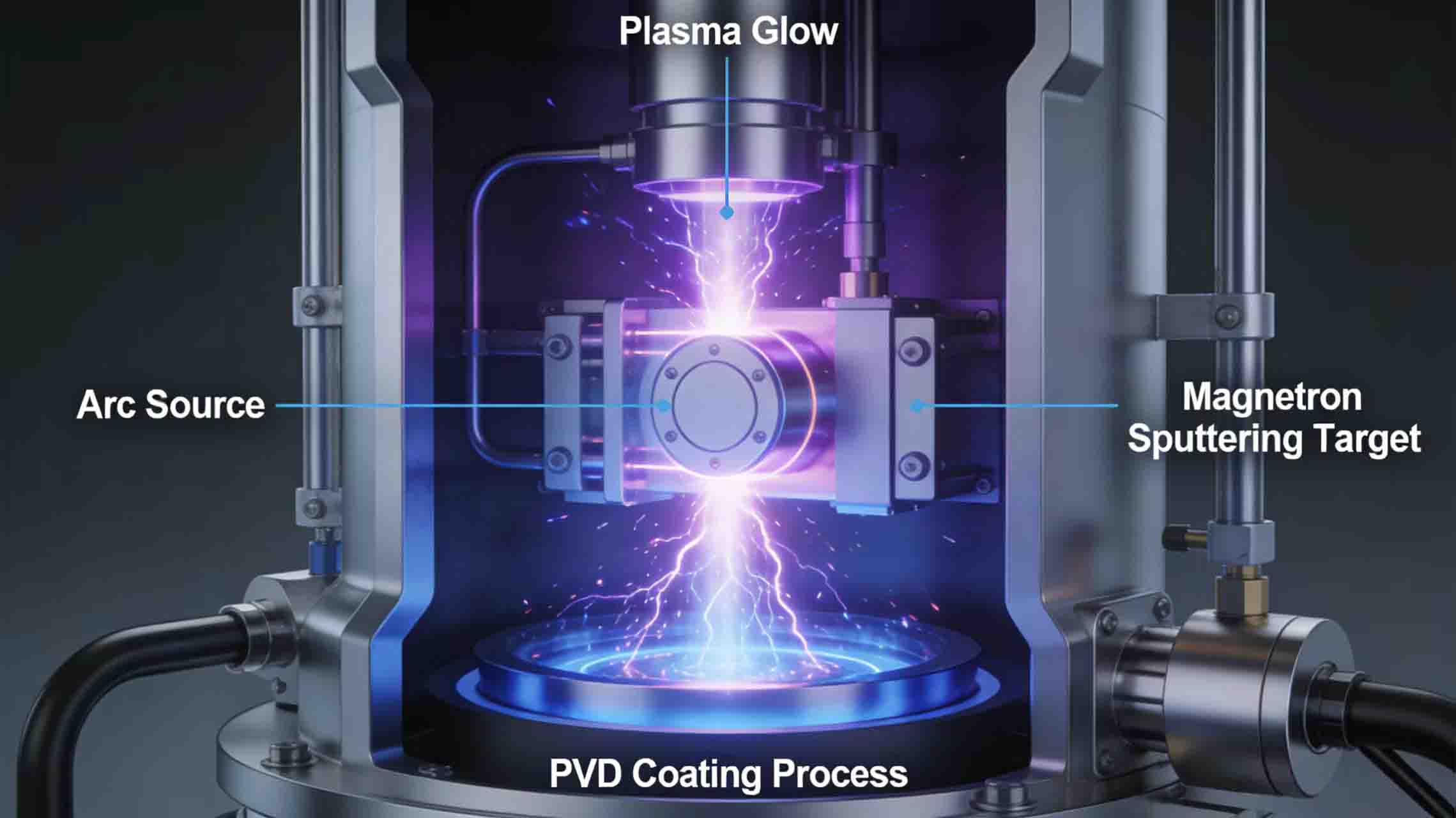
As one of the most classic PVD coatings, Titanium Nitride (TiN) coating can achieve a hardness of Hv 3000-4000. When this ultra-hard thin film covers the surface of CNC machined blades, it acts like a tough "armor" for the blade, enabling it to significantly delay edge wear and maintain sharpness during high-speed continuous cutting of high-strength materials such as silicon steel and stainless steel.
2. Reduced Friction Coefficient: Smoother Cutting, Less Heat Generation
A high friction coefficient increases cutting heat, potentially shortening coating life or even causing it to fail. Reducing the friction coefficient can greatly extend tool life. PVD/TiN coatings possess excellent surface lubricity; the smooth and fine coating surface helps chips slide away rapidly from the rake face, reducing heat generation.
For custom slitter blades, intense friction inevitably occurs between the blade and the material being cut during the shearing process. The presence of a TiN coating acts like a solid lubricating film on the blade surface, effectively reducing the friction coefficient. This not only minimizes cutting heat but also prevents high-temperature welding between the blade and workpiece material, thereby maintaining the stability of the cutting process.
3. Wear Resistance and Oxidation Resistance: Extending Blade Service Life
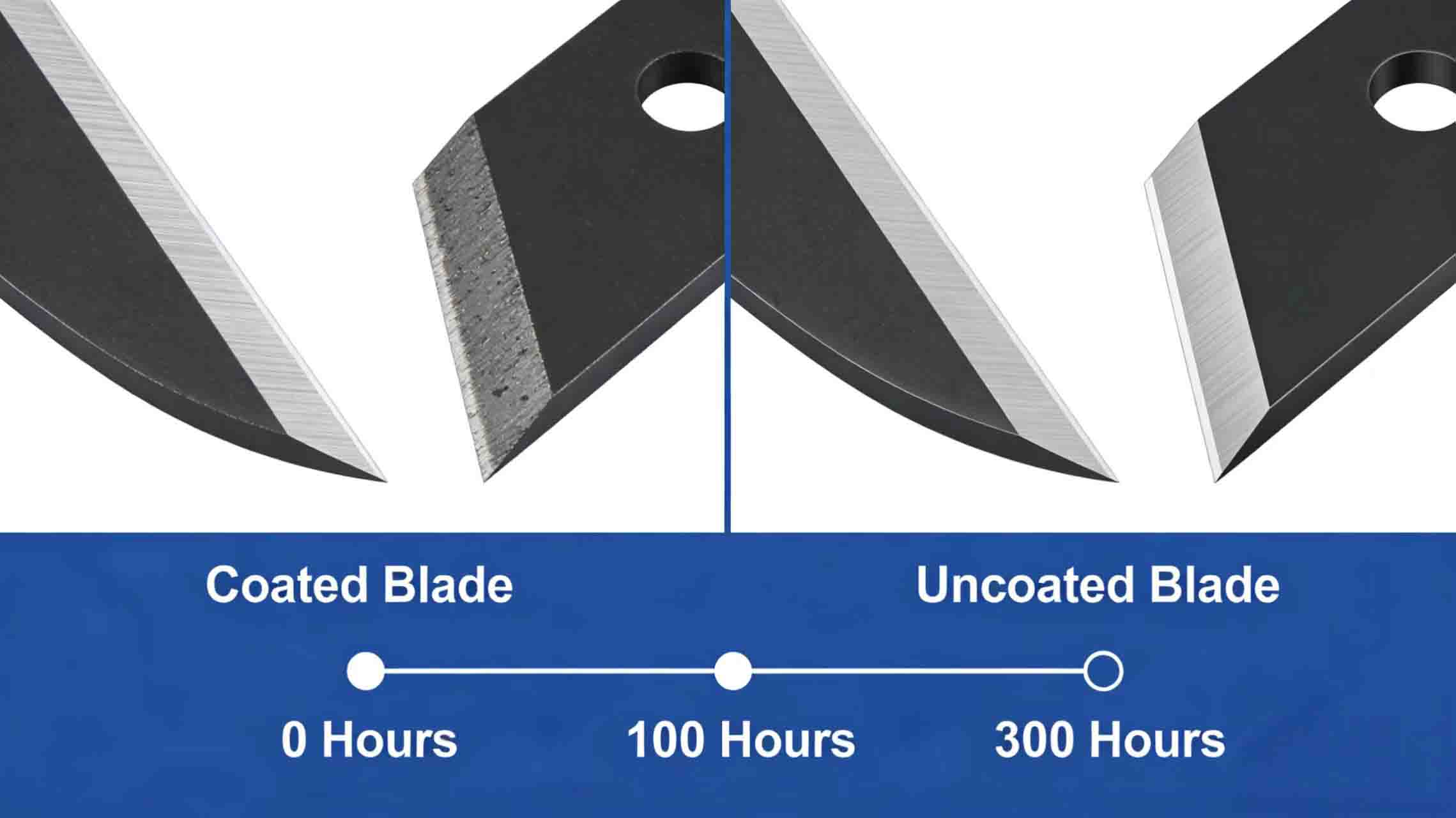
Wear resistance refers to the coating's ability to withstand abrasion. PVD coatings significantly enhance the wear resistance of the blade surface by forming a dense film structure. Studies show that the service life of forming tools coated with PVD TiN can be increased by 350-450%, and for cutting tools, the improvement can reach 650-910%. This means that circular blades, which previously required frequent stoppages for replacement, can have their change intervals significantly extended after applying TiN coating, thereby boosting production efficiency.
Oxidation temperature is the temperature at which the coating begins to decompose; a higher oxidation temperature is more favorable for cutting operations under high-temperature conditions. TiN coating exhibits good high-temperature stability. Building on this, TiAlN coatings (appearing violet-blue) perform even better in high-temperature machining because they form an aluminum oxide layer between the tool and chip, transferring heat from the tool to the workpiece or chip.
4. Anti-Adhesion Property: Solving the Built-Up Edge Problem
The anti-adhesion property of a coating prevents or mitigates chemical reactions between the tool and the workpiece material, avoiding the deposition of workpiece material onto the tool. When machining non-ferrous metals (such as aluminum, copper, etc.), a built-up edge (BUE) often forms on the tool, leading to tool chipping or workpiece dimension errors.
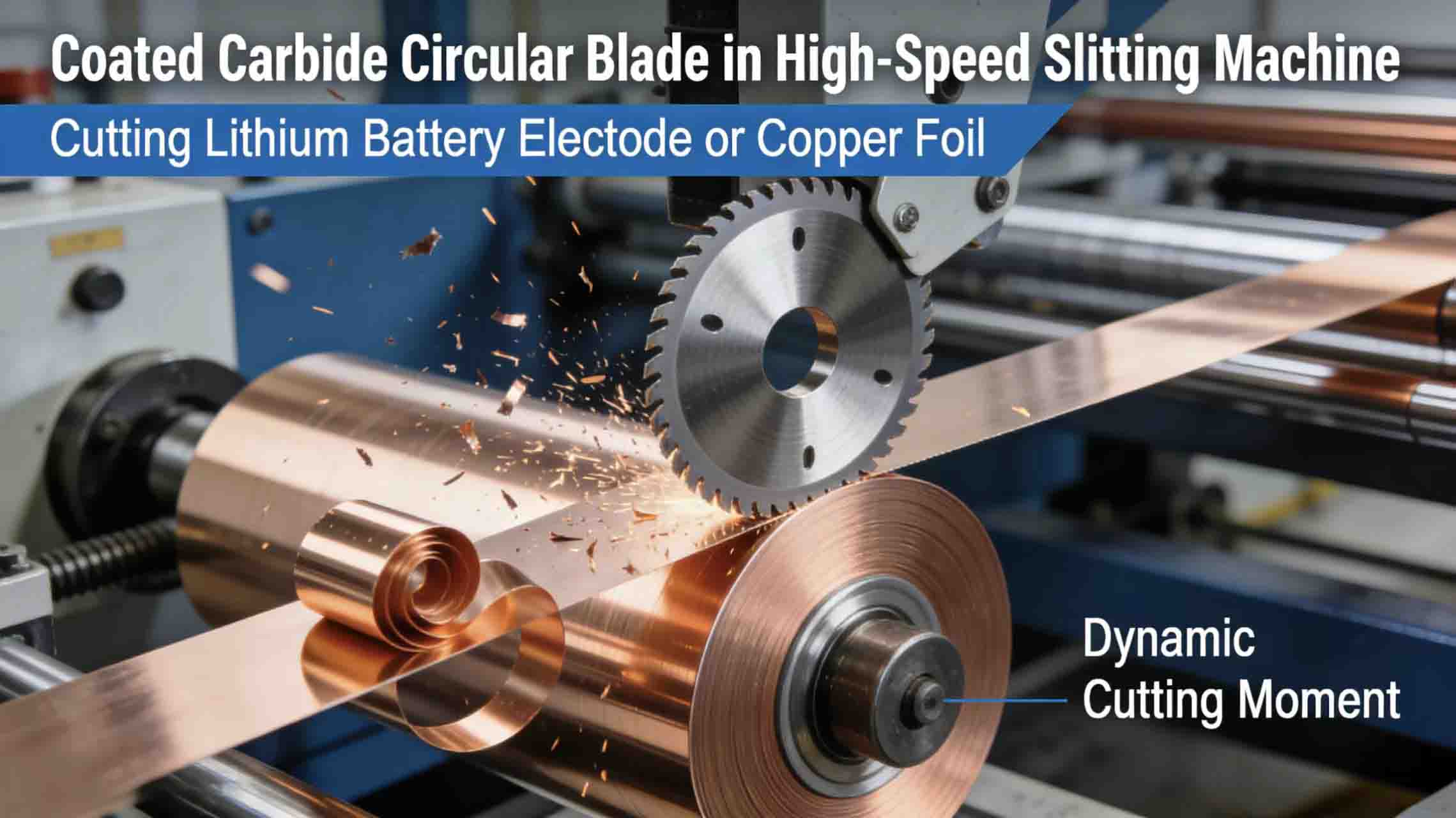
For slitter blades widely used in industries like new energy and electronic materials, anti-adhesion is particularly crucial. During high-speed slitting of lithium battery electrodes or copper/aluminum foil, once the material being processed starts to adhere to the blade, the adhesion expands continuously, eventually causing burrs or tears on the cut edge. PVD/TiN coatings, with their chemical inertness and smooth surface, effectively inhibit material adhesion, ensuring clean and flawless cut edges.
5. Practical Application Results: Data Witnessing Performance Enhancement
Numerous studies confirm the outstanding performance of PVD coatings in practical cutting applications. In a drilling study on SKD11 and SCM4 materials (widely used in automotive and mold industries), test results showed that when machining with carbide drills, tool life with cutting fluid was extended more than nine times compared to dry machining. Furthermore, when machining SCM4 material, the single-layer TiN coating performed best.
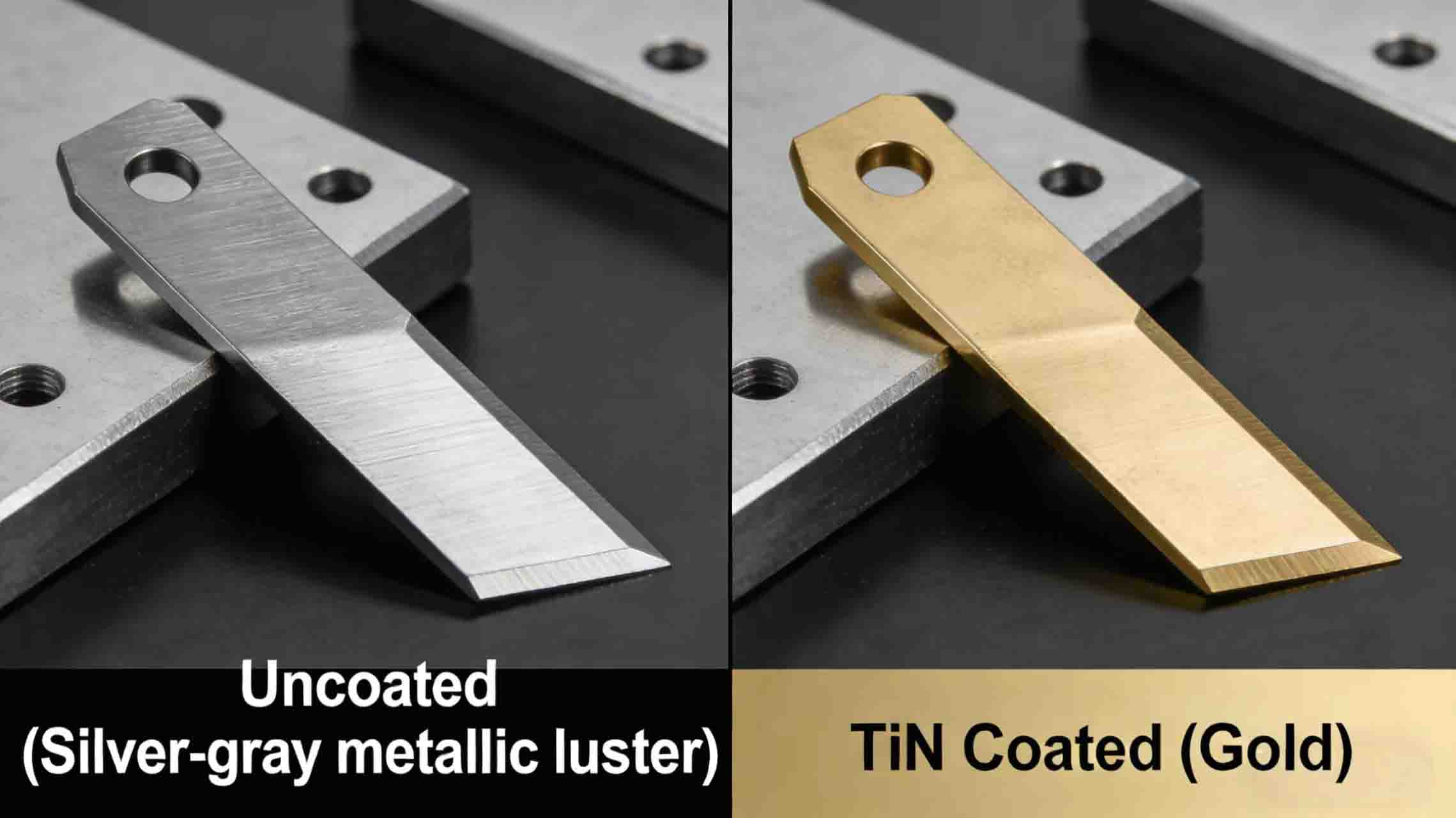
For custom blades, selecting the appropriate coating type is critical. Different coatings have their own characteristics: Titanium Nitride (TiN) coating (golden color) is a general-purpose PVD coating that increases tool hardness and has a high oxidation temperature; Titanium Carbonitride (TiCN) coating (rainbow color) incorporates carbon, increasing hardness by about 33% compared to TiN; Titanium Aluminum Nitride or Aluminum Titanium Nitride (TiAlN/AlTiN) coating (violet-blue) is suitable for carbide tools in dry or semi-dry machining.
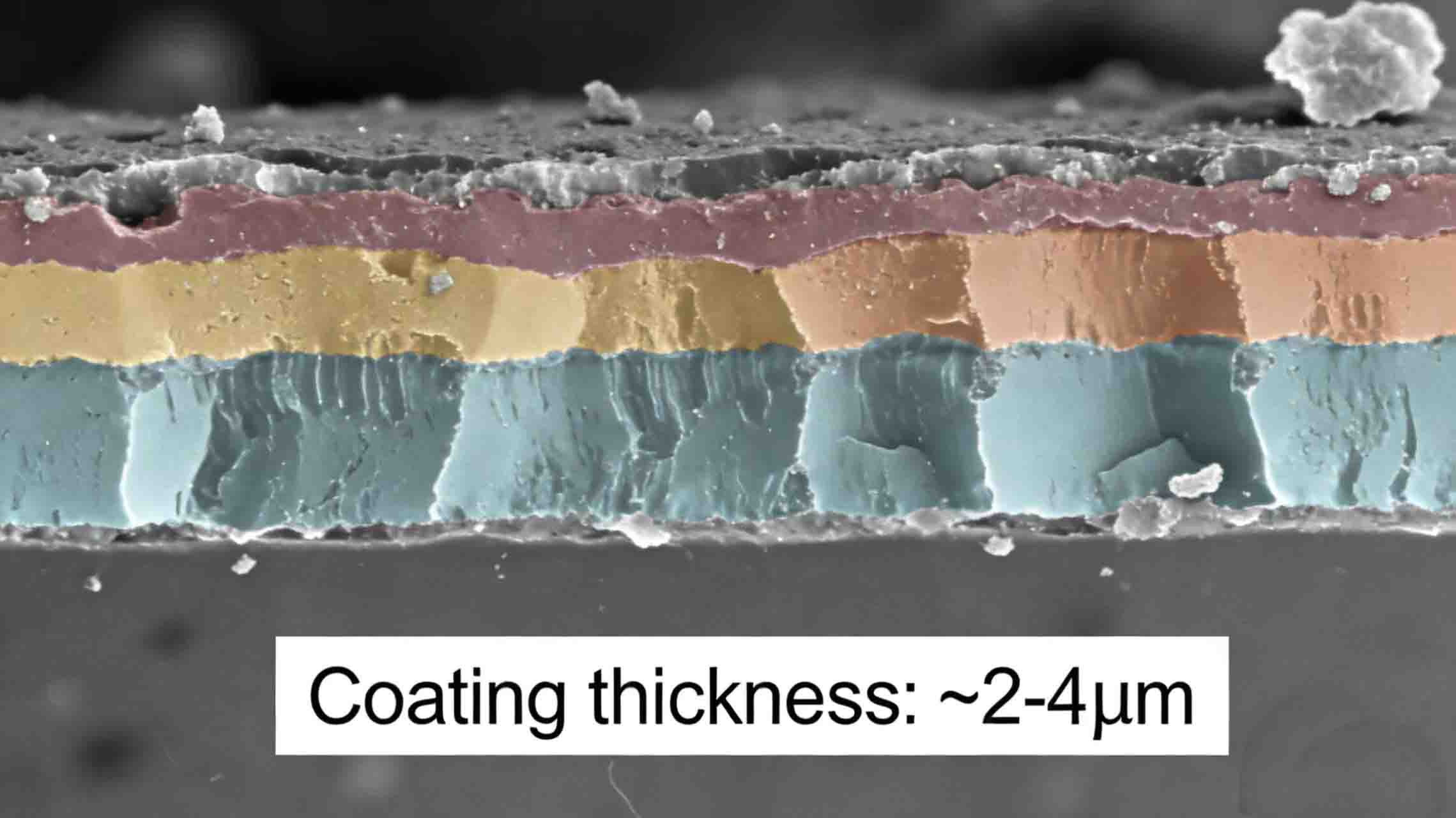
6. Mingbai Technology's Coating Application Practice
As a professional tool manufacturer, Mingbai Mechanical Tool Technology Co., Ltd. fully understands the decisive role of coating technology in blade performance. In the production of our CNC machined blades, high-precision circular blades, and various custom slitter blades, we extensively apply advanced PVD coating technology, recommending the most suitable coating solutions based on the customer's specific machining conditions.
Whether it's slitter blades for high-speed shearing of silicon steel or circular blades for slitting lithium battery electrodes, Mingbai Technology, through precise coating selection and process control, provides customers with longer blade life, more stable cutting quality, and lower overall operating costs.
Conclusion
PVD/TiN coating technology, with its outstanding performance in hardness enhancement, friction reduction, wear and heat resistance, and anti-adhesion, is profoundly changing the landscape of metal cutting. As a tool enterprise driven by technological innovation, Mingbai Technology will continue to deepen its expertise in coating application technology, delivering greater value to global customers through higher quality precision machine blades and more reliable custom blades.
Website: www.mingbaiblade.com