What Are Metal Stamping Terminals and Where Are They Used
What Are Metal Stamping Terminals and Where Are They Used


metal stamping terminals


You use metal stamping terminals to connect wires or cables to devices, allowing electricity to flow safely and efficiently. These terminals come from conductive metals like copper or brass and can be shaped for different uses. Manufacturers rely on them for their durability and precision. You find metal stamping terminals in many industries, including electronics, automotive, and construction, because they offer reliable performance and support complex designs.


Function Description
Blanking Forms the base shape with automated punching.
Bending Shapes material for exact fit and position.
Deep Drawing Creates three-dimensional parts for precise needs.
Fine Blanking Improves cut quality for better electrical contact.
Local Forming Adds strength and stability to the terminal.
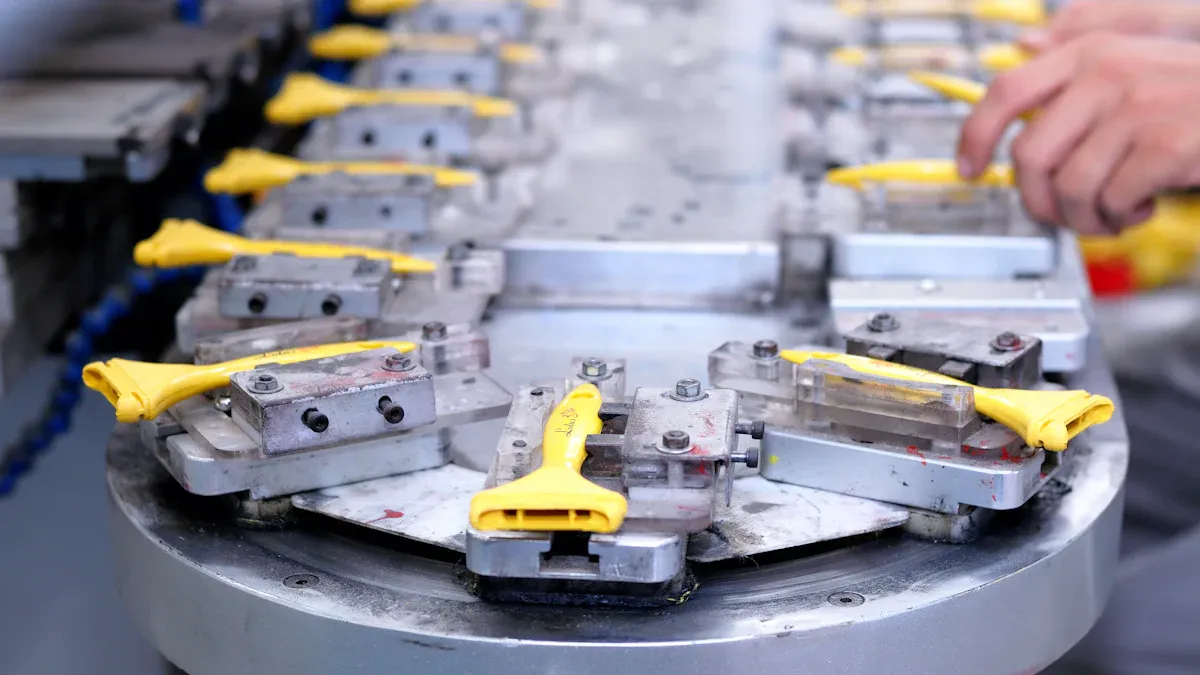
Progressive Stamping Automates forming, cutting, and inspection for higher output.

Key Takeaways

  • Metal stamping terminals connect wires to devices, ensuring safe and efficient electricity flow.
  • Choose high-quality materials like copper or brass for durability and low resistance in your projects.
  • Consider the specific features of terminals, such as precision and thermal resistance, to meet your application needs.
  • Metal stamping offers cost efficiency and speed, making it ideal for producing large quantities of parts.
  • These terminals are essential in various industries, including automotive, electronics, and renewable energy, ensuring reliable performance.


Metal Stamping Terminals Overview

What Are Metal Stamping Terminals

You use metal stamping terminals to create secure electrical connections in many devices. These terminals come from flat sheets of metal, shaped by machines called presses and dies. You find them in products that need reliable power flow, like cars, computers, and home appliances. Metal stamping terminals help you connect wires quickly and safely. Their design lets you fit them into tight spaces, making them ideal for modern electronics.


When you choose metal stamping terminals, you get parts that offer high conductivity and low resistance. These qualities mean your devices work efficiently and lose less energy. You also benefit from their durability. Metal stamping terminals handle heat and tough conditions without breaking down. Their small size saves space, and their strong grip lowers the risk of loose connections.


Tip: If you need to build something that lasts, pick terminals made with high-quality materials. This choice helps your project stay safe and reliable.


Key Features and Types

You should look at several important features when you select metal stamping terminals. These features help you decide which terminal fits your needs best.

Characteristic Description
Precision in manufacturing Ensures accurate dimensions and fit for the terminals.
Quality of materials used High-quality materials enhance durability and performance.
Design and functionality of molds Well-designed molds contribute to efficient stamping and consistent product quality.
Stability of the stamping process A stable process minimizes defects and ensures reliable output over time.
Resistance to thermal expansion Terminals maintain stable contact force in varying temperatures, ensuring reliable operation.
Consistent insertion/removal feel Provides a clear tactile feedback, preventing misjudgment during assembly line operations.


You also need to think about the advantages of using metal stamping terminals compared to other connectors.

Feature Description
High Conductivity Moves power well using copper or aluminum
Low Resistance Less power loss, saves energy
Durability Handles high heat and tough conditions
Space Efficiency Small size saves space
Enhanced Safety Lowers risk of loose connections and faults
Improved Efficiency Low resistance and better conductivity
Scalability Easy to add more circuits or loads
Cost-Effectiveness Saves money on maintenance over time


Manufacturing Process

metal stamping terminals


Stamping Techniques

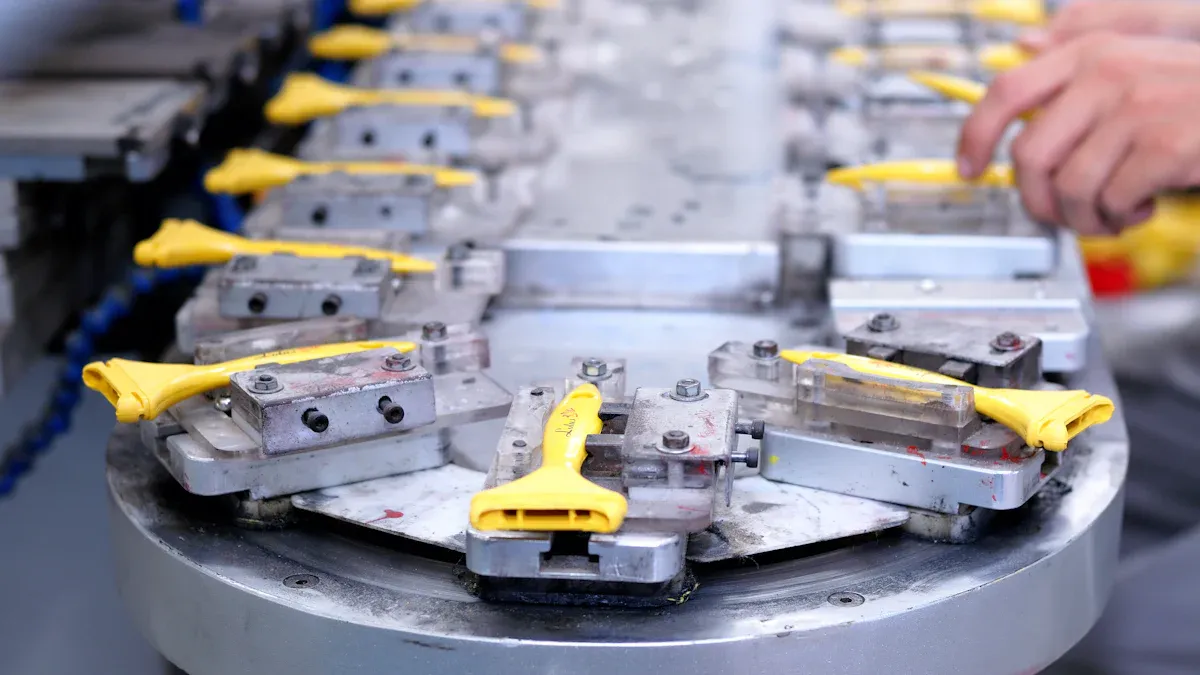
You start making metal stamping terminals by following a series of steps. First, you select the right metal and design a custom die for your project. Next, you cut flat metal sheets into specific shapes. You bend or form these blanks to match the shape you need. You add holes or cutouts to the metal, then trim away any extra material. This process is widely used to produce high-precision stamped automotive electrical terminals that require tight tolerances and consistent performance. After shaping, you finish the surface to improve quality. Finally, you inspect each part to make sure it meets your standards.


Quality and Standards

You need to follow strict quality control when you make metal stamping terminals. You track customer specifications and production dimensions at every step. You use advanced equipmwnt like Zeiss CMM and Keyence vision systems to measure parts accurately. Statistical Process Control (SPC) helps you maintain critical dimensions and spot problems early.


Quality Control Measure Description
Industry Certifications Achieve required certifications to ensure quality.
Dedicated Quality Lab Use a lab and inspection team for quality control.
Advanced Inspection Equipment Measure parts with high-end tools for accuracy.
Team Responsibility Make quality a shared responsibility.
Supplier Approval Process Qualify suppliers to ensure material quality.

You also use documented Quality Assurance actions in every phase. Inspection tools like Nikon Optical Comparators help you track specifications. By following these standards, you make sure your terminals are safe and reliable.


Applications of Metal Stamping Terminals
Applications of Metal Stamping Terminals

Automotive Industry

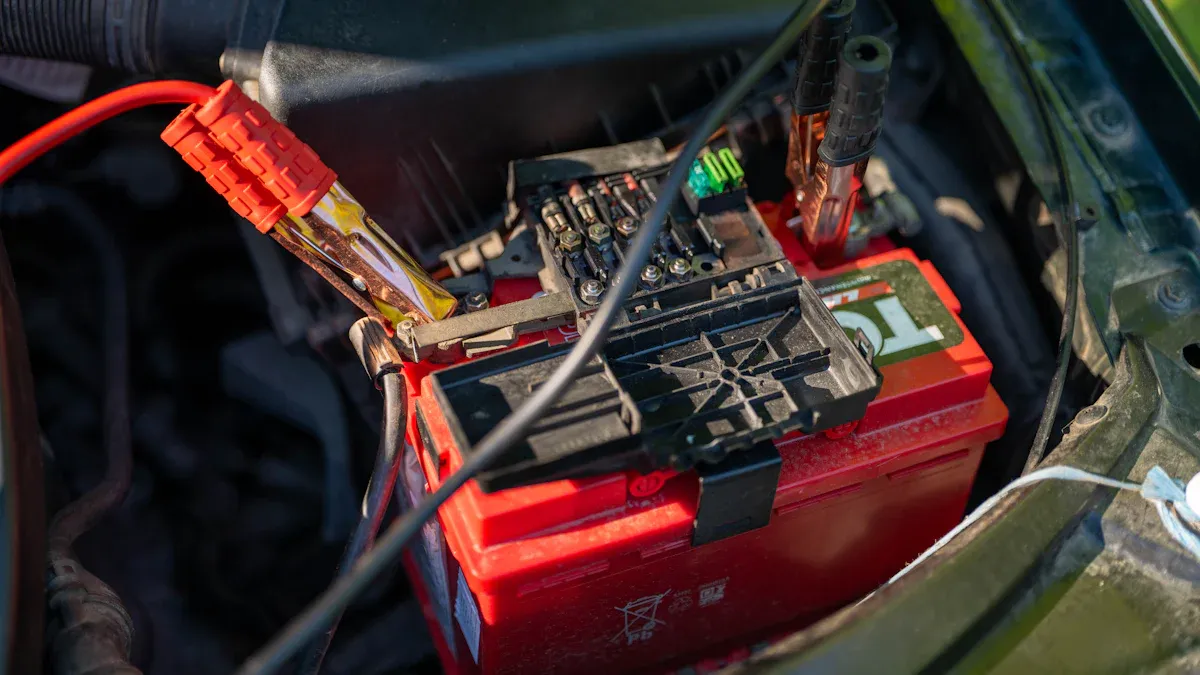
You see metal stamping terminals in almost every part of a car’s electrical system. These terminals help connect wires and parts, making sure your car runs safely and smoothly. Here are some common uses:

  • Terminals and connectors made from brass, copper, or steel
  • Floor mat securement brackets
  • Horn buttons
  • Rearview mirror mounting plates
  • Steering wheel components and brakes
  • Fuel injectors and fuel pressure regulators
  • Seat latches

These parts must work every time you start your car or use its features. The durability of metal stamping terminals keeps your car’s systems safe, even in tough conditions like heat, cold, or vibration.
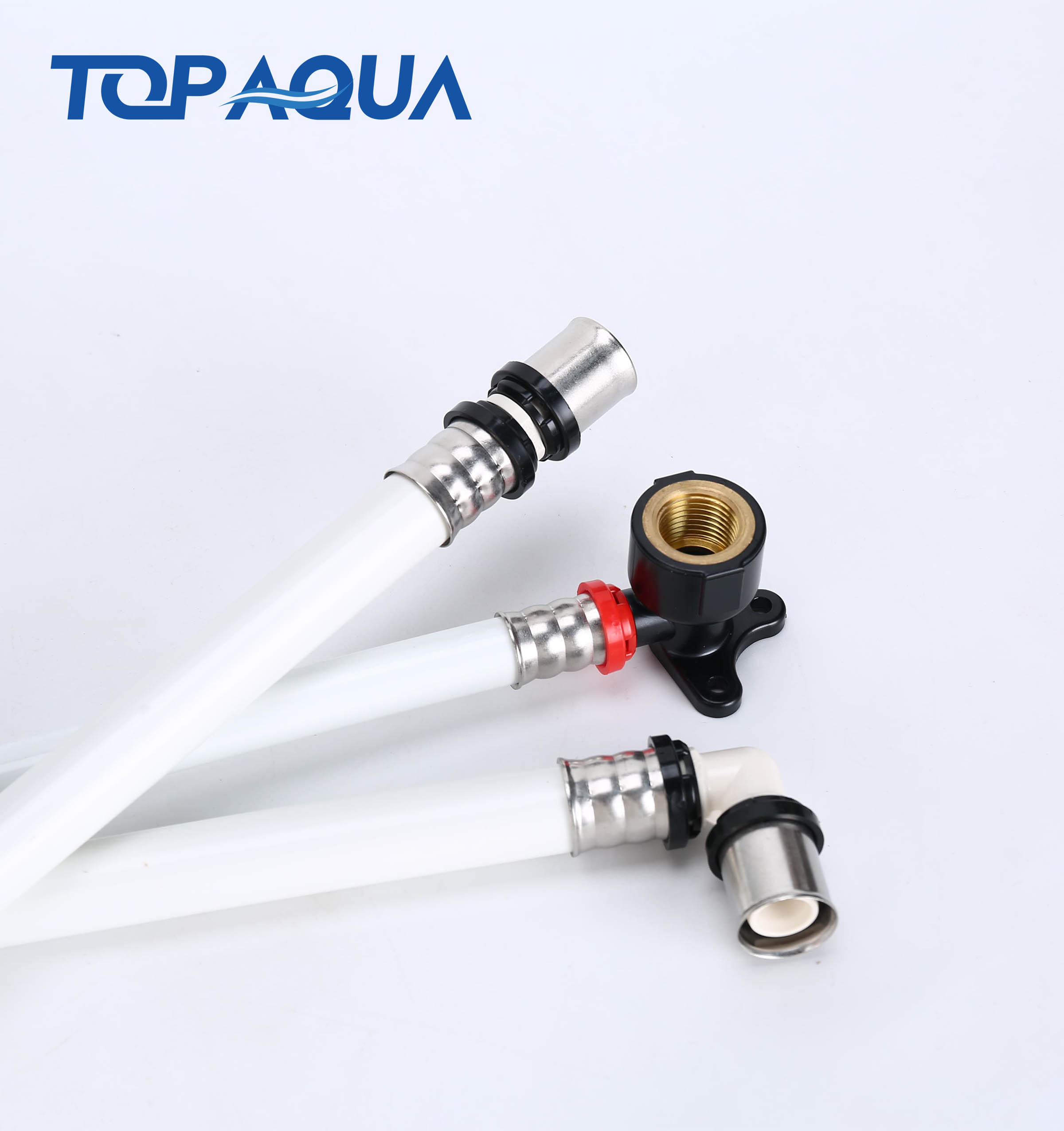
8 Key Advantages of TOP AQUA PPSU Fittings

TOP AQUA PPSU PRESS Fittings: Engineered for Reliability and Value

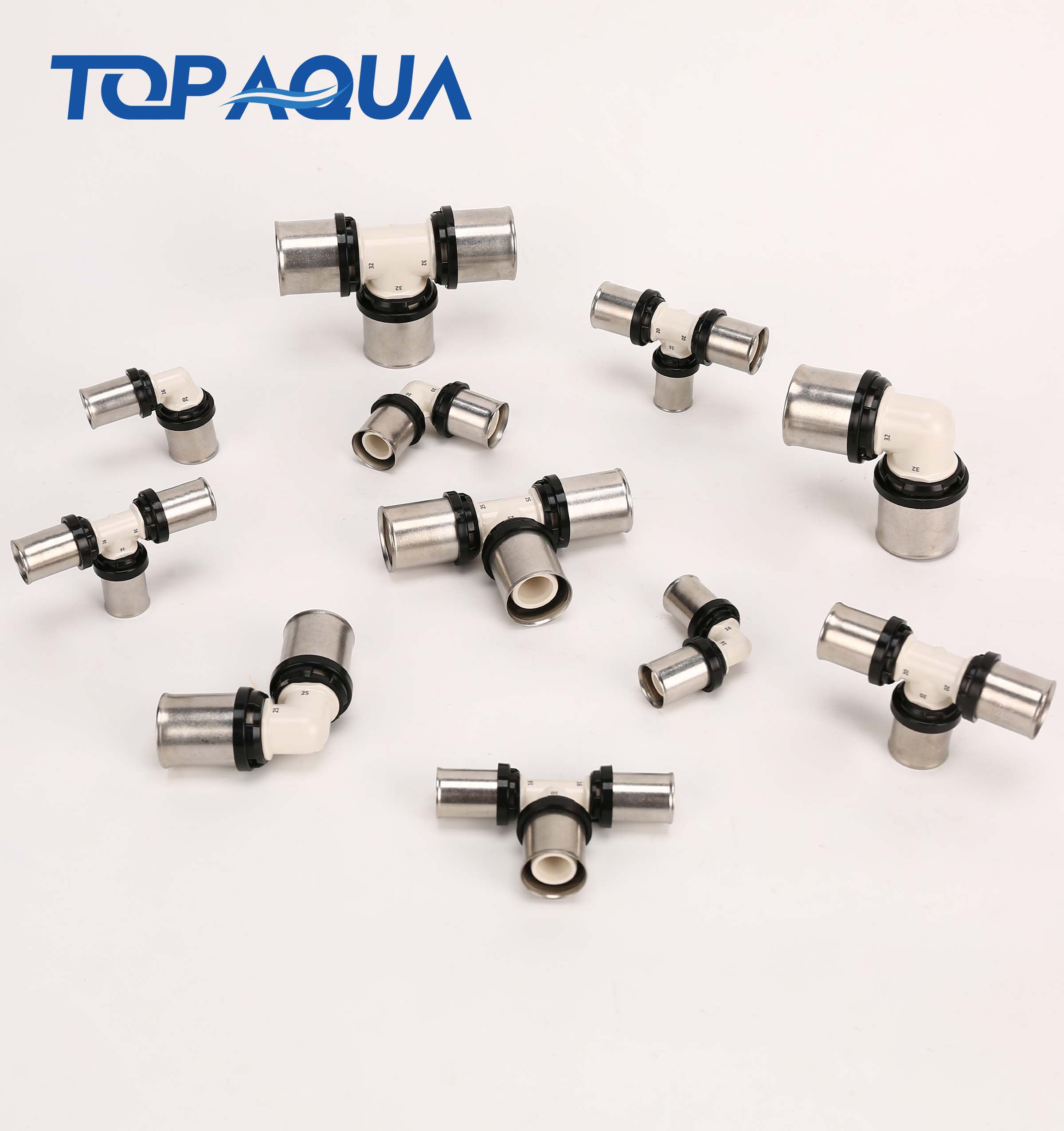
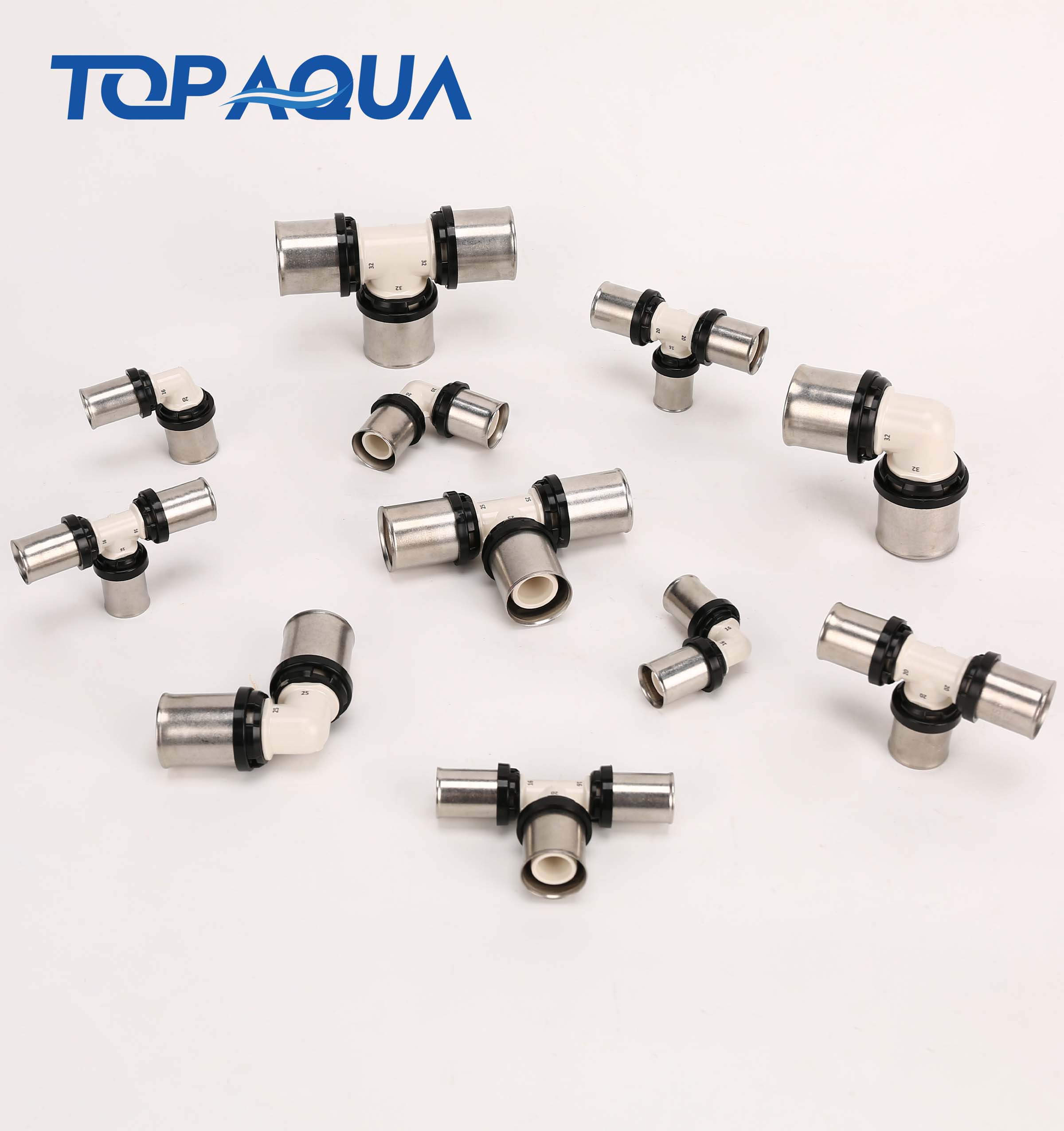
TOP AQUA introduces its innovative PPSU PRESS Fittings, designed to deliver superior performance and intelligence in fluid handling systems. Combining advanced materials with our patented design, these fittings provide a compelling solution for various industrial applications.

8 Key Advantages of Our PPSU Fittings:

  1. Wide Compatibility, fits U/TH/RFz profile:
    Effortlessly integrate into your existing systems. Our fittings are engineered for use with U, TH, and RFz press profiles, offering exceptional versatility.

  2. AENOR Certified Quality:
    Trust in independently verified excellence. The AENOR certification confirms that our products meet stringent international standards for safety and performance.

  3. Enhanced Durability:
    Built from high-performance PPSU polymer, these fittings offer outstanding resistance to impact, corrosion, and chemical wear, ensuring a long service life.

  4. Leakage Indication Function:
    Proactively manage system integrity. Our unique leakage indication feature provides an early warning, helping to prevent potential issues and enhance operational safety.

  5. Proprietary Patented Design:
    Benefit from our in-house engineering expertise. This self-designed fitting is protected by patent, guaranteeing you a unique and optimized solution.

  6. High Hygiene Standards:
    Ideal for sensitive environments. The smooth, non-porous surface prevents bacterial growth and allows for easy cleaning, meeting the demands of hygienic industries.

  7. Cost-Effective Price:
    Achieve premium quality without the premium cost. We offer a reliable, high-specification product at a highly competitive price, delivering exceptional value.

  8. High-Temperature Resistance:
    Withstand demanding conditions. Our fittings are rated for a maximum operating temperature of 180°C, making them suitable for hot water and sterilizing processes.

The Smarter Choice for Your Systems

TOP AQUA's PPSU PRESS Fittings are more than just a component—they are a smart investment in efficiency, safety, and long-term value. They are the ideal choice for engineers and managers seeking to optimize their operations.

Upgrade your system with TOP AQUA. Contact us today for more information or to request a quote.

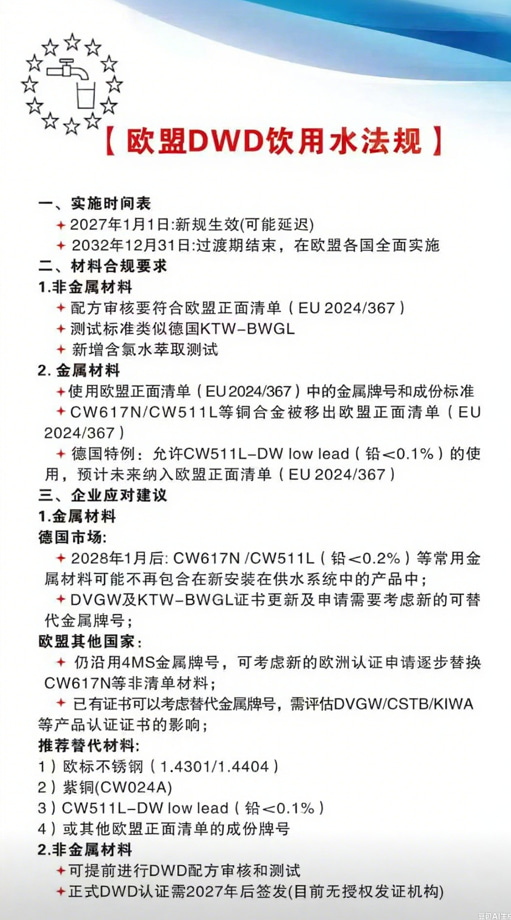
EU DWD Drinking Water Regulation

I. Implementation Timeline

◆Jan 1, 2027: New regulations take effect (subject to possible delay)

◆Dec 31, 2032: Transition period ends, with full implementation across all EU member states

II. Material Compliance Requirements

(1). Non-metallic materials

◆Formulation reviews must comply with the EU Positive List (EU2024/367)

◆Testing standards similar to German KTW-BWGL

New chlorine-containing water extraction test

(2). Metal Materials

◆Use metal grades and composition standards listed in the EU Positive List (EU2024/367)

◆Copper alloys such as CW617N/CW511L have been removed from the EU Positive List (EU2024/367)

◆German exception: Use of CW511L-DW low lead (lead <0.1%) is permitted, with future inclusion in the EU Positive List (EU2024/367) anticipated

III. Recommendations for Businesses

(1). Metal Materials

German Market:

◆After January 2028: Commonly used metal materials such as CW617N/CW511L (lead <0.2%) may no longer be included in products newly installed in water supply systems;

◆Updates and applications for DVGW and KTW-BWGL certificates should consider new alternative metal grades;

Other EU Countries: 

◆The 4MS metal grades will continue to be used; new European certification applications can be considered to gradually replace non-listed materials such as CW617N; 

◆Existing certificates can consider alternative metal grades, but the impact on product certification certificates such as DVGW/CSTB/KIWA must be evaluated; 

Recommended alternative materials: 

-1- European standard stainless steel (1.4301/1.4404)

-2- Brass (CW024A) 

-3- CW511L-DWlowlead (lead <0.1%) 

-4- Or other EU positive list component grades 

(2). Non-metallic materials 

◆DWD formulation review and testing can be conducted in advance 

◆Official DWD certification will be issued after 2027 (currently no authorized certification body)


PPSU Fittings Gain Strong Popularity at This Year’s Spain Exhibition

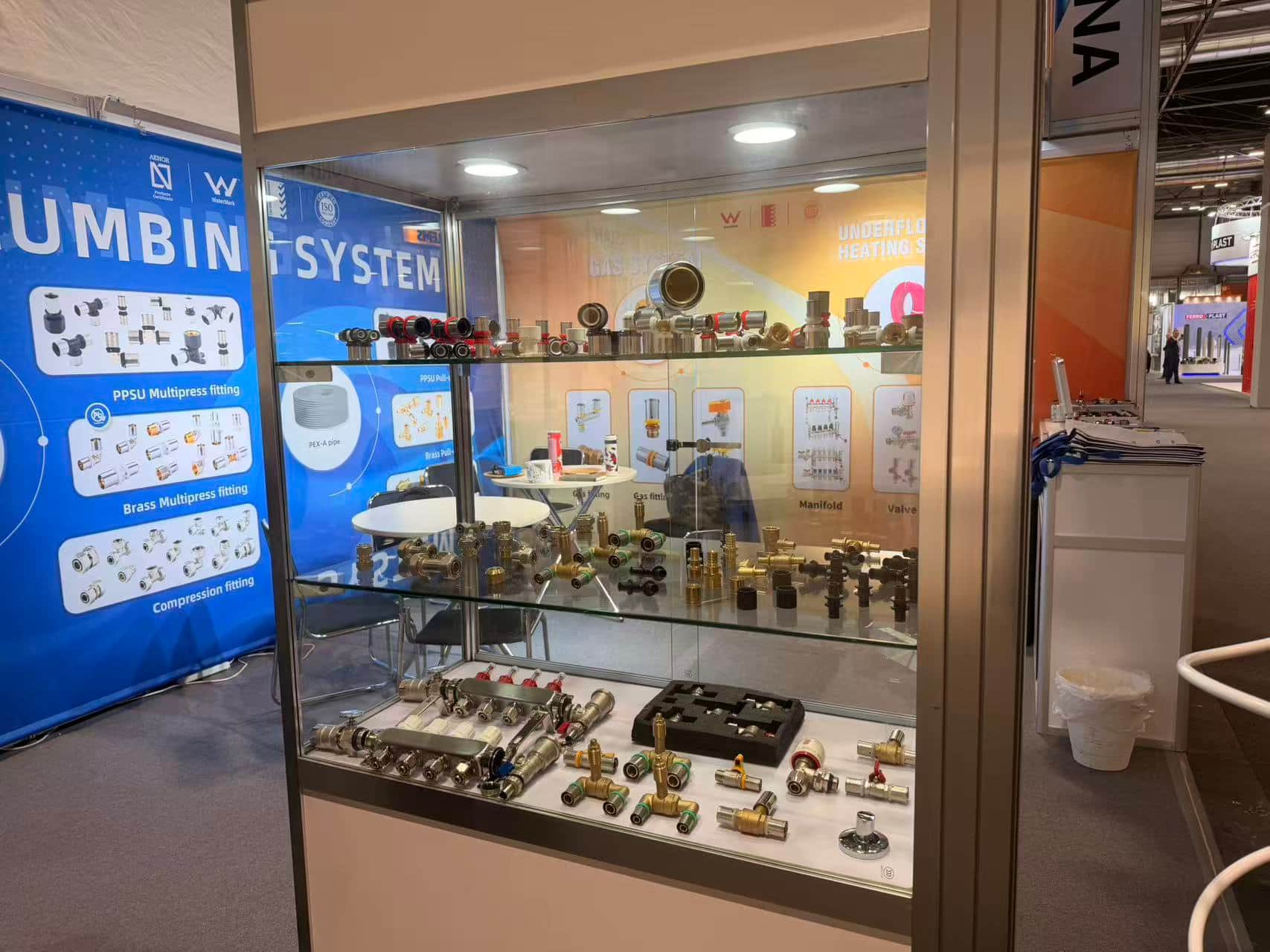
PPSU fittings became one of the most talked-about products at this year’s Spain Exhibition, attracting significant attention from industry professionals, distributors, and system designers. Known for their outstanding durability, high-temperature resistance, and superior safety performance, PPSU fittings continue to stand out as a reliable solution for modern plumbing and heating systems.

During the exhibition, visitors showed great interest in the advanced engineering behind PPSU fittings. Many highlighted their exceptional resistance to corrosion and scaling, which ensures long-term system stability. Compared with traditional metal fittings, PPSU fittings offer a lighter, safer, and more efficient alternative—making them ideal for residential, commercial, and industrial applications.

Our booth welcomed a record number of inquiries, with customers praising the fittings’ precision manufacturing, leak-proof performance, and compatibility with a wide range of piping systems. The strong response at the event reinforces the growing global demand for high-quality PPSU solutions.


As we continue to expand our product range, PPSU fittings will remain a key focus of innovation and international market development. We look forward to bringing more reliable, high-performance PPSU products to customers worldwide.

TOP AQUA Shines at CR Spain, Showcasing AENOR-Certified PPSU Fittings

TOP AQUA recently concluded a highly successful participation at the CR exhibition in Spain, held from the 18th to the 20th of this month. Our booth attracted significant attention, with numerous clients expressing strong interest in our new AENOR-certified PPSU fittings.

The newly certified PPSU fittings were a standout highlight, drawing visitors to observe their advanced features and superior quality. Many industry professionals stopped by to learn more about this innovative product, which meets rigorous Spanish standards.

This positive response reinforces our commitment to delivering high-quality, certified solutions that meet market needs. We thank everyone who visited us and look forward to building on these promising connections.

What Are PPSU Fittings? The Complete Guide to a Superior Polymer

If you're specifying components for a demanding piping system, you've likely encountered the term PPSU fittings. But what exactly are they, and why are they becoming the material of choice for engineers and contractors worldwide?

In short, PPSU (Polyphenylsulfone) fittings are high-performance connectors made from an advanced, super-tough thermoplastic. They are designed for applications where ordinary plastics like PVC or CPVC would fail.

Key Properties of PPSU Fittings: Why They Stand Out

PPSU material is in a class of its own. Here are the critical properties that make PPSU fittings exceptional:

  • Extreme Heat Resistance: PPSU can continuously withstand temperatures up to 180°C (356°F), far exceeding the capabilities of most other thermoplastics. This makes them ideal for hot water lines, steam applications, and high-temperature fluid transfer.

  • Outstanding Strength and Durability: PPSU is renowned for its exceptional impact strength, even at high temperatures. It is a rigid and tough material that resists cracking and mechanical stress, ensuring long-term system integrity.

  • Superb Chemical Resistance: PPSU fittings excel in harsh chemical environments. They resist a wide range of acids, bases, and other aggressive chemicals, making them perfect for industrial and laboratory settings.

  • Hydrolytic Stability: Unlike some polymers, PPSU does not degrade in the presence of water or steam. This property is crucial for plumbing, medical, and food processing applications where long-term contact with water is guaranteed.

  • Safety and Compliance: PPSU is naturally BPA-free and meets stringent international standards for potable water (WRAS, NSF/ANSI 61) and ultra-pure water systems. It is also compliant with FDA regulations for food contact and is widely used in medical and dental devices due to its biocompatibility and ability to withstand repeated sterilization.

What Should You Look for in a Reliable Home EV Charger?

USTEU’s Guide to Smarter, Safer Home Charging
As electric vehicles continue to reshape the way we move, more drivers are choosing to install home charging solutions for convenience, safety, and long-term savings. At USTEU, we work closely with real EV users across different regions, climates, and home environments. Their feedback consistently highlights one essential truth: choosing the right home EV charger greatly affects daily charging efficiency, battery health, and long-term reliability.

If you’re looking for a dependable, future-proof home charging solution, here are the key factors you should consider—based on real usage scenarios and USTEU’s experience as a global manufacturer of high-quality EV charging products.

1. Consistent and Safe Charging Performance

Safety is the foundation of any home charging setup. A reliable charger must offer stable current output, protect against overcurrent, monitor temperature, and avoid voltage spikes. Many EV owners charge overnight, meaning the charger must operate safely for hours without supervision.

This is why USTEU designs every component—PCBA, cables, connectors, and housings—with strict safety standards. Users should look for a safe home EV charging device that has undergone full-cycle testing, including surge testing, grounding checks, and thermal reliability evaluations.

2. Durability for All Home Environments

Your charger should withstand daily use, weather changes, and long operating hours. Even indoor garages can experience humidity, dust, and heat buildup. Outdoor installations face sun exposure, rain, and seasonal temperature swings.

For these real-world conditions, homeowners should prioritise a weatherproof residential EV charger that meets IP55 or higher protection ratings. USTEU chargers are engineered with sealed enclosures, corrosion-resistant terminals, and fire-retardant materials—ensuring long-lasting stability no matter where your charger is installed.

3. High Charging Efficiency and Lower Energy Consumption

Charging at home should be both convenient and economical. A reliable charger converts power efficiently while maintaining low heat levels, allowing faster charging without stressing your home electrical system or your EV battery.

With energy prices rising globally, choosing a high efficiency home charging station can significantly reduce charging costs over years of daily use. USTEU’s smart charging modules optimize power delivery and work intelligently with home circuits to minimize waste and enhance overall energy utilization.

4. Real Smart Functions That Improve Daily Convenience

Modern EV owners expect more than basic charging—they want control, data visibility, and automation. Features such as:

scheduled charging during off-peak hours

remote start/stop

charging history reports

energy consumption monitoring

smart load balancing

These are not gimmicks; they solve real user problems. For example, homeowners with solar panels use scheduling to match peak solar production. Families with limited household power use load balancing to prevent tripping breakers. USTEU’s smart systems respond to these real needs.

5. Compatibility With Your EV and Home Electrical System

Before installation, verify that your charger supports your vehicle’s charging standard and fits your home’s electrical capacity. USTEU works across multiple regions and ensures compatibility with various EV brands, breaker sizes, and wiring configurations. Whether users have a small city EV or a long-range SUV, the charger must support their needs without compromise.

6. Strong After-Sales Support and Long-Term Reliability

A home EV charger is not a temporary product—it will be used thousands of times over many years. Therefore, a trustworthy brand should offer a solid warranty, replacement parts, installation guidance, and responsive technical support. USTEU invests heavily in long-term service networks to ensure worry-free ownership.

Conclusion

A reliable home EV charger must be safe, durable, efficient, smart, and compatible with your daily lifestyle. As EV adoption continues to rise, investing in the right home charger becomes even more important—not only for convenience but also for long-term vehicle health and energy savings.

USTEU’s commitment to quality engineering, user-focused design, and strong reliability makes home charging easier, safer, and more future-ready for every EV owner.


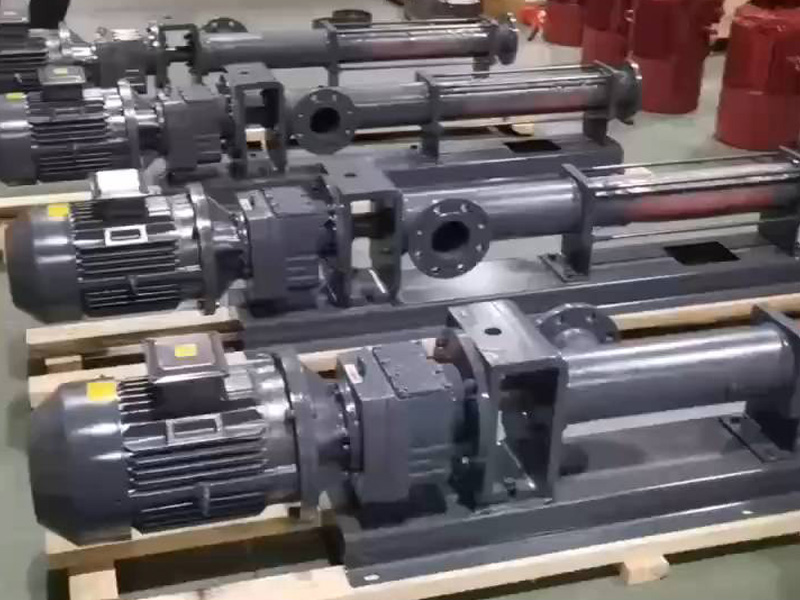
Methods for Troubleshooting Progressive Screw Pumps


Regarding faults in screw pumps, we at Anhui Shengshi Datang have some effective solutions.

First, ensure that no foreign objects enter the pump body.

If solid debris enters the pump body, it can damage the rubber stator of the progressive screw pump. Therefore, it is crucial to prevent debris from entering the pump chamber. Some systems install a grinder before the pump, while others use a screen or filter to block debris from entering the pump. Screens should be cleaned promptly to prevent clogging.


Second, avoid operating the pump without material.

The progressive screw pump absolutely must not run dry. If dry running occurs, the rubber stator can instantly overheat due to dry friction and burn out. Therefore, having a properly functioning grinder and clear screens are essential conditions for the normal operation of the pump. For this reason, some pumps are equipped with a dry-run protection device. When material supply is interrupted, the self-priming capability of the pump creates a vacuum in the chamber, which triggers the vacuum device to stop the pump.


Third, maintain a constant outlet pressure.

The progressive screw pump is a positive displacement rotary pump. If the outlet is blocked, the pressure will gradually rise, potentially exceeding the predetermined value. This causes a sharp increase in the motor load, and the load on related transmission components may also exceed design limits. In severe cases, this can lead to motor burnout or broken transmission parts. To prevent pump damage, a bypass relief valve is usually installed at the outlet to stabilize the discharge pressure and ensure normal pump operation.

progressive screw pumps

Fourth, reasonable selection of pump speed.

The flow rate of the progressive screw pump has a linear relationship with its speed. Compared to low-speed pumps, high-speed pumps can increase flow and head, but power consumption increases significantly. High speed accelerates the wear between the rotor and stator, inevitably leading to premature pump failure. Furthermore, the stator and rotor of high-speed pumps are shorter and wear out more easily, thus shortening the pump's service life.


Using a gear reducer or variable speed drive to reduce the speed, keeping it within a reasonable range below 300 revolutions per minute, can extend the pump's service life several times compared to high-speed operation.


Of course, there are many other maintenance methods for progressive screw pumps, which requires us to be more attentive during daily use. Careful observation will contribute significantly to proper pump maintenance.


How should faults in progressive screw pumps be handled? This article will mainly introduce methods for troubleshooting progressive screw pumps.

1. Pump body vibrates violently or produces noise:

A. Causes:​ Pump not installed securely or installed too high; damage to the motor's ball bearings; bent pump shaft or misalignment (non-concentricity or non-parallelism) between the pump shaft and the motor shaft.

B. Solutions:​ Secure the pump properly or lower its installation height; replace the motor's ball bearings; straighten the bent pump shaft or correct the relative position between the pump and the motor.

2. Transmission shaft or motor bearings overheating:

A. Causes:​ Lack of lubricant or bearing failure.

B. Solutions:​ Add lubricant or replace the bearings.

3. Pump fails to deliver water:

Causes:​ Pump body and suction pipe not fully primed with water; dynamic water level below the pump strainer; cracked suction pipe, etc.


The sealing surface between the screw and the housing is a spatial curved surface. On this surface, there are non-sealing areas such as ab or de, which form many triangular notches (abc, def) with the screw grooves. These triangular notches form flow channels for the liquid, connecting the groove A of the driving screw to grooves B and C on the driven screw. Grooves B and C, in turn, spiral along their helices to the back side and connect with grooves D and E on the back, respectively. Because the sealing surface where grooves D and E connect with groove F (which belongs to another helix) also has triangular notches similar to a'b'c' on the front side, D, F, and E are also connected. Thus, grooves A-B-C-D-E-A form an "∞"-shaped sealed space (If single-start threads were used, the grooves would simply follow the screw axis and connect the suction and discharge ports, making sealing impossible). It's conceivable that many independent "∞"-shaped sealed spaces are formed along such a screw. The axial length occupied by each sealed space is exactly equal to the lead (t) of the screw. Therefore, to separate the suction and discharge ports, the length of the threaded section of the screw must be at least greater than one lead.


9 Essential Safety Points to Understand Before Using High-Temperature Magnetic Drive Pumps


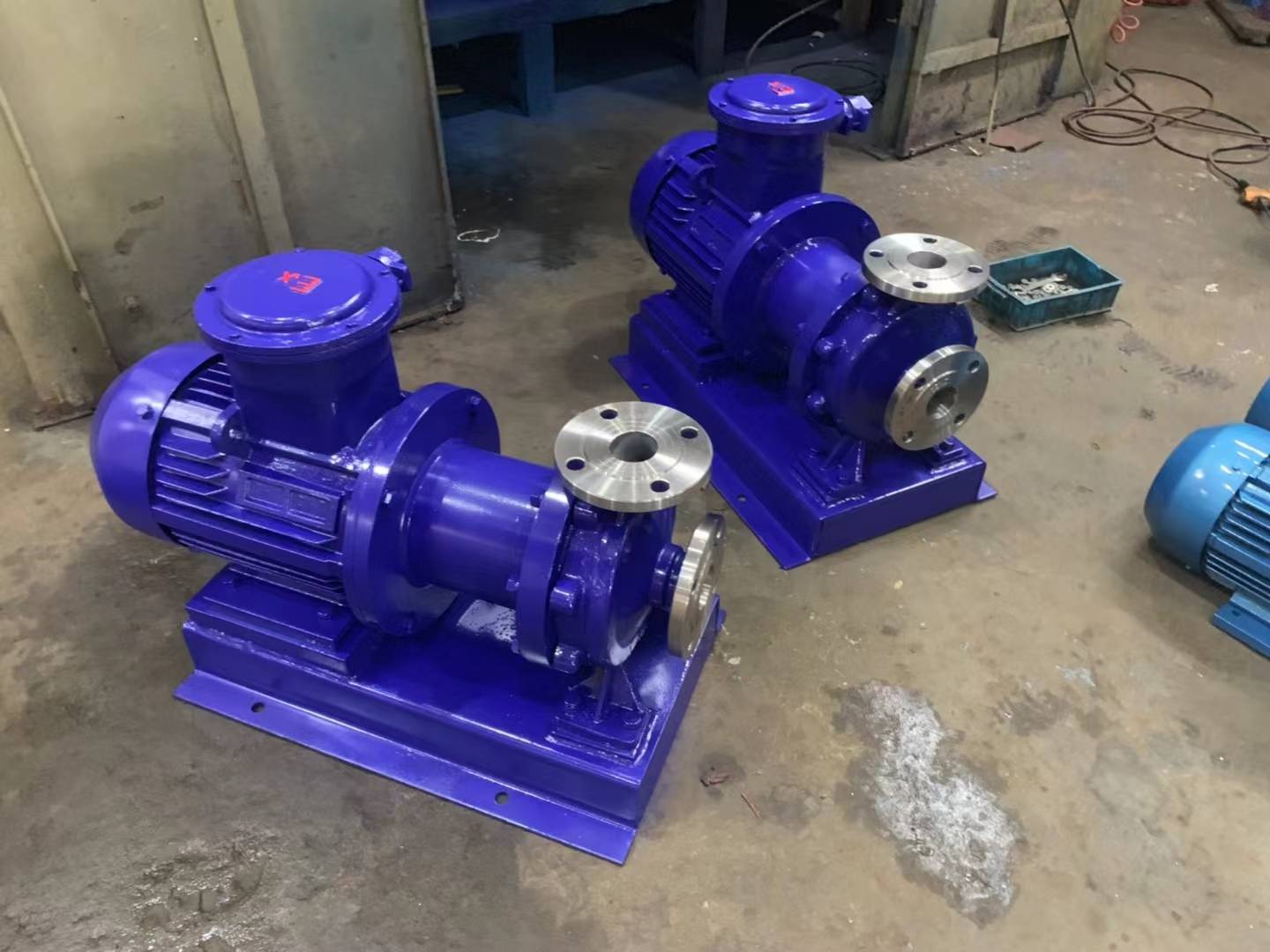
High-temperature magnetic drive pumps are compact, aesthetically pleasing, small in size, and feature stable, user-friendly operation with low noise levels. They are widely used in chemical, pharmaceutical, petroleum, electroplating, food, film processing, scientific research institutions, defense industries, and other sectors for pumping acids, alkaline solutions, oils, rare and valuable liquids, toxic liquids, volatile liquids, and in circulating water equipment, as well as for supporting high-speed machinery. They are particularly suitable for liquids that are prone to leakage, evaporation, combustion, or explosion. It is best to choose an explosion-proof motor for such pumps.

Advantages of High-Temperature Magnetic Drive Pumps:

1. No need to install a foot valve or prime the pump.

2. The pump shaft is changed from dynamic sealing to enclosed static sealing, completely avoiding media leakage.

3. No independent lubrication or cooling water is required, reducing energy consumption.

4. Power transmission is changed from coupling drive to synchronous dragging, eliminating contact and friction. This results in low power consumption, high efficiency, and provides damping and vibration reduction, minimizing the impact of motor vibration on the pump and pump cavitation vibration on the motor.

5. In case of overload, the inner and outer magnetic rotors slip relative to each other, protecting the motor and pump.

6. If the driven component of the magnetic drive operates under overload conditions or the rotor jams, the driving and driven components of the magnetic drive will automatically slip, protecting the pump. Under these conditions, the permanent magnets in the magnetic drive will experience eddy current losses and magnetic losses due to the alternating magnetic field of the driving rotor, causing the temperature of the permanent magnets to rise and leading to the failure of the magnetic drive slip.


High-temperature magnetic drive pumps


Precautions for Using High-Temperature Magnetic Drive Pumps:

1. Prevent Particle Entry

(1) Do not allow ferromagnetic impurities or particles to enter the magnetic drive or the bearing friction pair.

(2) After transporting media prone to crystallization or sedimentation, flush promptly (fill the pump cavity with clean water after stopping the pump, run for 1 minute, then drain completely) to ensure the service life of the sliding bearings.

(3) When pumping media containing solid particles, install a filter at the pump inlet.


2. Prevent Demagnetization

(1) The magnetic torque must not be designed too small.

(2) Operate within the specified temperature conditions; strictly avoid exceeding the maximum allowable media temperature. A platinum resistance temperature sensor can be installed on the outer surface of the isolation sleeve to monitor the temperature rise in the gap area, enabling an alarm or shutdown if the temperature limit is exceeded.


3. Prevent Dry Running

(1) Strictly prohibit dry running (operating without liquid).

(2) Strictly avoid running the pump dry or allowing the media to be completely drained (cavitation).

(3) Do not operate the pump continuously for more than 2 minutes with the discharge valve closed, to prevent overheating and failure of the magnetic drive.


4. Not for Use in Pressurized Systems:

Due to the existence of certain clearances in the pump cavity and the use of "static bearings," this series of pumps must absolutely not be used in pressurized systems (neither positive pressure nor vacuum/negative pressure is acceptable).


5. Timely Cleaning:​

For media that are prone to sedimentation or crystallization, clean the pump promptly after use and drain any residual liquid from the pump.


6. Regular Inspection:​

After 1000 hours of normal operation, disassemble and inspect the wear of the bearings and the end face dynamic ring. Replace any worn-out vulnerable parts that are no longer suitable for use.

magnetic drive pumps


7. Inlet Filtration:​

If the pumped medium contains solid particles, install a strainer at the pump inlet. If it contains ferromagnetic particles, a magnetic filter is required.


8. Operating Environment:​

The ambient temperature during pump operation should be less than 40°C, and the motor temperature rise should not exceed 75°C.


9. Media and Temperature Limits:​

The pumped medium and its temperature must be within the allowable range of the pump materials. For engineering plastic pumps, the temperature should be <60°C; for metal pumps, <100°C. The suction pressure should not exceed 0.2MPa, the maximum working pressure is 1.6MPa, for liquids with a density not greater than 1600 kg/m³ and a viscosity not greater than 30 x 10⁻⁶ m²/s, and which do not contain hard particles or fibers.

High-temperature magnetic drive pumps replace dynamic seals with static seals, making the pump's wetted parts fully enclosed. This solves the unavoidable running, dripping, and leaking issues associated with the mechanical seals of other pumps. Manufactured using highly corrosion-resistant materials such as engineering plastics, alumina ceramics, and stainless steel, these pumps offer excellent corrosion resistance and ensure the pumped media remains uncontaminated.

Analysis and Troubleshooting of Seven Common Failures in Stainless Steel Submersible Pumps


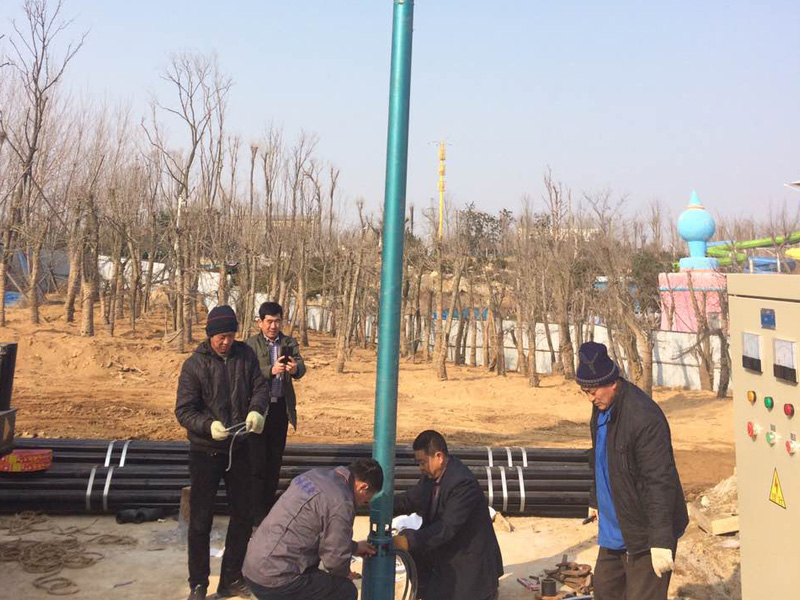
Stainless steel submersible pumps are widely used in drainage applications across industries such as pharmaceuticals, environmental protection, food, chemical, and power due to their characteristics of corrosion resistance, hygiene, energy efficiency, environmental friendliness, non-clogging, high flow rate, and strong passage capability. Anhui Shengshi Datang will study together with everyone.

I. Common Causes and Solutions for Insufficient Flow or No Water Output in Stainless Steel Submersible Pumps:

1. The installation height of the pump is too high, resulting in insufficient impeller immersion depth and reduced water output. Control the allowable deviation of the installation elevation and avoid arbitrary adjustments.

2. The pump rotates in the reverse direction. Before trial operation, run the motor without load to ensure the rotation direction matches the pump. If this occurs during operation, check whether the power phase sequence has changed.

3. The outlet valve cannot open. Inspect the valve and perform regular maintenance.

4. The outlet pipeline is blocked, or the impeller is clogged. Clear blockages in the pipeline and impeller, and regularly remove debris from the reservoir.

5. The lower wear ring of the pump is severely worn or blocked by debris. Clean the debris or replace the wear ring.

6. The density or viscosity of the pumped liquid is too high. Identify the cause of the change in liquid properties and address it.

7. The impeller is detached or damaged. Reinforce or replace the impeller.

8. When multiple pumps share a common discharge pipeline, a check valve is not installed or the check valve is not sealing properly. Install or replace the check valve after inspection.

II. Causes of Abnormal Vibration and Instability During Operation of Stainless Steel Submersible Pumps:

1. The anchor bolts of the pump base are not tightened or have become loose. Tighten all anchor bolts evenly.

2. The outlet pipeline lacks independent support, causing pipeline vibration to affect the pump. Provide independent and stable support for the outlet pipeline, ensuring the pump’s outlet flange does not bear weight.

3. The impeller is unbalanced, damaged, or loosely installed. Repair or replace the impeller.

4. The upper or lower bearings of the pump are damaged. Replace the bearings.

III. Causes of Overcurrent, Motor Overload, or Overheating in Stainless Steel Submersible Pumps:

1. The operating voltage is too low or too high. Check the power supply voltage and adjust it.

2. There is friction between rotating and stationary parts inside the pump, or between the impeller and the seal ring. Identify the location of the friction and resolve the issue.

3. Low head and high flow cause a mismatch between the motor power and the pump characteristics. Adjust the valve to reduce the flow, ensuring the motor power matches the pump.

4. The pumped liquid has high density or viscosity. Investigate the cause of the change in liquid properties and adjust the pump’s operating conditions.

5. The bearings are damaged. Replace the bearings at both ends of the motor.

IV. Causes and Solutions for Low Insulation Resistance in Stainless Steel Submersible Pumps:

1. The cable ends were submerged during installation, or the power or signal cable was damaged, allowing water ingress. Replace the cable or signal wire, and dry the motor.

2. The mechanical seal is worn or not properly installed. Replace the upper and lower mechanical seals, and dry the motor.

3. The O-rings have aged and lost their function. Replace all sealing rings and dry the motor.

V. Causes and Solutions for Visible Water Leakage in Pipes or Flange Connections of Stainless Steel Submersible Pump Systems:

1. The pipeline itself has defects and was not pressure-tested.

2. The gasket connection at the flange joint was not properly handled.

3. The flange bolts were not tightened correctly. Repair or replace defective pipes, realign misaligned pipes, and ensure bolts are inserted and tightened freely. After installation, conduct a pressure and leakage test on the entire system. Replace components as necessary.

VI. Internal Leakage in Stainless Steel Submersible Pumps:

Leakage in the pump can lead to insulation failure, bearing damage, alarm activation, and forced shutdown. The main causes include failure of dynamic seals (mechanical seals) or static seals (cable inlet seals, O-rings), and damage to power or signal cables allowing water ingress. Alarms such as water immersion, leakage, or humidity may trigger shutdowns. Before installation, inspect the quality of all sealing components. Ensure proper contact between sealing surfaces during installation. Before operation, check the motor’s phase-to-phase and ground insulation resistance, and ensure all alarm sensors are functional. If leakage occurs during operation, replace all damaged seals and cables, and dry the motor. Do not reuse disassembled seals or cables.

VII. Reverse Rotation After Shutdown of Stainless Steel Submersible Pumps:

1. Reverse rotation occurs after the pump motor is powered off, mainly due to failure of the check valve or flap valve in the outlet pipeline.

2. Before installation, inspect the check valve for correct orientation and ensure the flap valve is centered and operates flexibly. Regularly inspect the check valve or flap valve during operation, and repair or replace damaged components with quality parts.