Latest products:AC Series High Purity PTFE Pumps

Development of Leitai Filter Equipment Co., Ltd.

Since its establishment, Leitai Filter Equipment Co., Ltd. has been committed to improving industrial filtration and separation in China, and improving the production efficiency of household purification filters and automotive filters.

Under the company's many years of hard work, many years of development research, continuous innovation, and production practices have continuously made a series of achievements in the field of filter manufacturing equipment.

It has created a number of leading industries in the filter equipment industry. In the past, China's production equipment was mainly imported, and now it can be a very advantageous export equipment;

Under the background of China's scientific and technological innovation, for the production of filtration and separation industry, household purification filter and automobile filter in China and the world, Leitai Filter Equipment Co., Ltd. and China Science and Technology have produced countless high efficiency and high Quality production equipment;

In the future, China's filter equipment and Leitai filter equipment will bring more innovations and inventions to the industry, and contribute to the industry's efficient and high-quality production of filter elements and new technological advances.

It contributes to the cost savings of industrial filter and purifier production filter.


Bengbu Leitai Filtration Equipment Co., Ltd. has achieved fruitful results today.

Especially in the industrial purification industry, the hepa origami injection molding production line is suitable for the glass fiber paper folding 20-300mm high product, high temperature resistant high efficiency origami production line.

The highest speed in the automotive filtration industry is up to 300%/minutes of knife folding machines.

Roller type high speed folding machine adapted to pp non-woven fabric in air conditioning purification industry.


chinafiltermachine Paper Pleating Machine

  • Full-auto CNC knife High Speed Paper Folding Production Line G6
  • Full-auto CNC High Speed Paper Folding Production Line G5
  • Full-auto Knife Paper Pleating Production Line G4
  • Full-automatic Mini Knife Paper Folding  Product Line G3
  • Full-automatic Mini Knife Paper Folding one-piece Product Line G3 
  • Auto Knife Paper Pleating Production Line G2
  • Knife Paper Pleating Production Line-G1
  • Full-auto Rotary Paper Pleating Machine G2


Primary-medium-high Efficiency &HVAC,HEPA,ULPA Air Filters

Full-auto Rotary HEPA Air filter Pleating Mini Production Line

Fold 300mm Depth Full-auto Rotary HEPA Air Filter Pleating  Production Line  

High Temperature Resistance HEPA Air Filter Pleating Machine with Glass Fiber Line Replace the Gluing Line,

Hepa Air Filter Cell Type Pleating Machine

Corrugators Machine

Tow-component Gluing Machine


Air Purifiers 、Vacuum Cleaners、Gas Masks

  • Auto PP pleating Separate Gluing Production Line G4
  • Auto PP pleating Separate Gluing Production Line G3
  • Auto PP pleating Separate Gluing Production Line G2
  • PP Auto Separate Gluing Machine G3
  • PP Auto Separate Gluing Machine G2

Primary-medium-high EfficiencyTest Bench

Primary /Medium Air Filters Test Bench EN779/ EN16890

Air Filters Test  Bench EN1822

Ultra/HEPA Air Filter Test Bench  EN1822 MPPS


Spin On Oil&Fuel Filters Full-auto Assembling

  • Full-auto High Speed Turntable Seaming Production Line
  • Full-auto Shrinking Film Sealing Machine
  • Full-auto Two Colors Roll Printing Machine
  • Full-auto Turntable Silk Printing Machine

Spin On Oi&Fuel Filters Elements And Auxiliary

  • Full-atuo Steel Clipping Machine

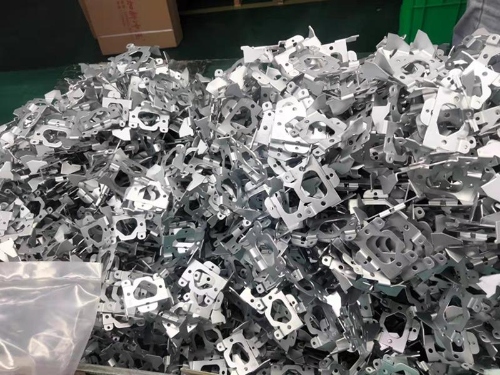
Steel Clipping Machine

  • Full-auto Spiral Center Tube Making Machine

Sealed Plate Gluing Machine

  • Full-auto Turntable Six-station Tapping Machine


Are you Looking for Way to Improve the Production Quality of Hose Clamp?

SNW Automatic Hose Clamp Assembly Machine is the best choice to your company.

What is the advantage of the Automatic Hose Clamp Assembly Machine?

Compared with the traditional manual production method, our production efficiency is higher. The specific performance of high production efficiency is as follows.
1. The xmsinuowei machine can realize automatic feeding. Prepare the materials: strips, housings and screws. They are put into the vibrating loading tray, and the raw materials are produced under the operation of the machine for the next step.
2. The machine can realize the automatic riveting,locking and coiling. Multiple links can be carried out on a production line, which can greatly improve production efficiency.
Please contact us for more info if you have any interest.


Arteries of the Future World | From Battery Factories to Data Centers, Who's Pumping the Pulse of the Era?

Challenges and Opportunities Brought by "Megatrends"


Currently, various "megatrends" are profoundly reshaping the world. These present significant social, economic, and cultural challenges, while also creating opportunities for sustainability and innovation.


With forward-thinking insights and cutting-edge product capabilities, KSB is providing efficient, reliable, and sustainable fluid solutions in critical scenarios.


From agricultural water security challenges and water supply and drainage safety in megacities to electric vehicle battery production, the circular economy and low-carbon manufacturing, and AI data center cooling, the following five examples demonstrate how KSB's products are empowering the future.


1. Electrification: Growing Demand for Batteries


Electrification, at its core, replaces fossil fuels with clean electricity. Consequently, demand for lithium-ion batteries will surge from approximately 750 GWh (gigawatt-hours) today to 4,700 GWh by 2040, as McKinsey predicts. The battery value chain spans mining, refining, material synthesis, battery cells, and recycling, and each link requires corrosion- and wear-resistant pumps and valves.


On the raw material side: KSB's LCC-M slurry pumps, with their highly wear-resistant structure, play a key role in handling solid-containing, highly abrasive, and corrosive media.

On the refining side: KSB's Magnochem standard chemical pumps, with their chemically resistant materials and a wide range of seal configurations, ensure safety and reliability when conveying high-temperature, highly corrosive, and hazardous chemical liquids.


KSB's products have higher efficiency and longer lifespan, helping battery factories using these products gain solid protection in controlling full lifecycle costs and improving system availability.


2. Urbanization: Deep Tunnel Water Management in Megacities


In 2023, 57% of the global population lived in cities. The United Nations predicts this figure will reach 68% by 2050. At the same time, the number of megacities with populations exceeding 10 million will increase to 40. Aging drainage systems, coupled with frequent extreme rainfall, increase the risk of urban flooding and overflows.


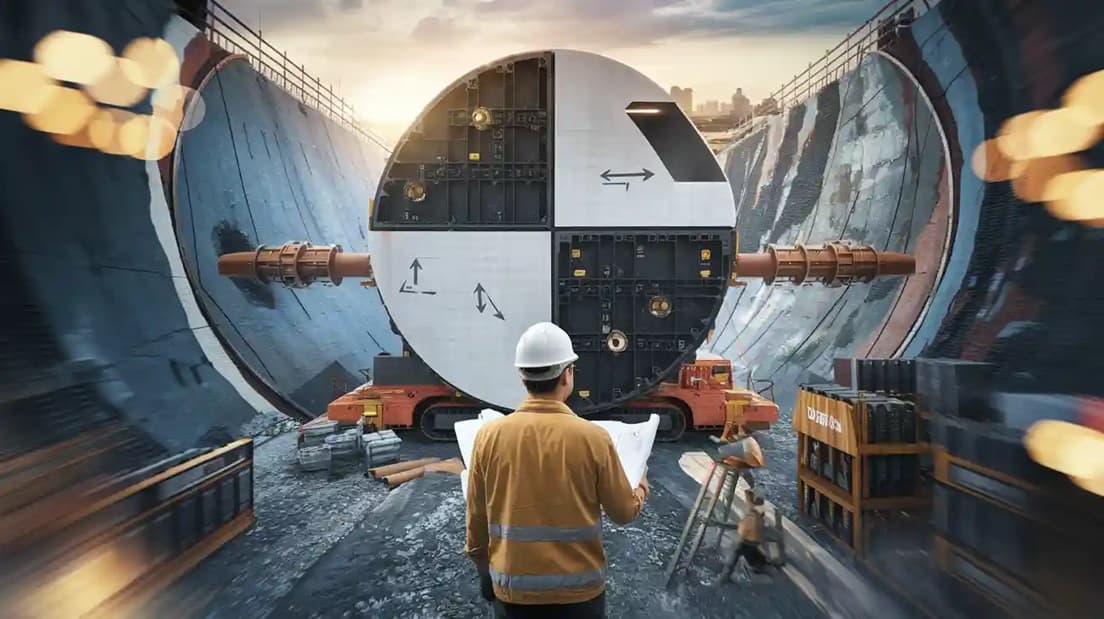
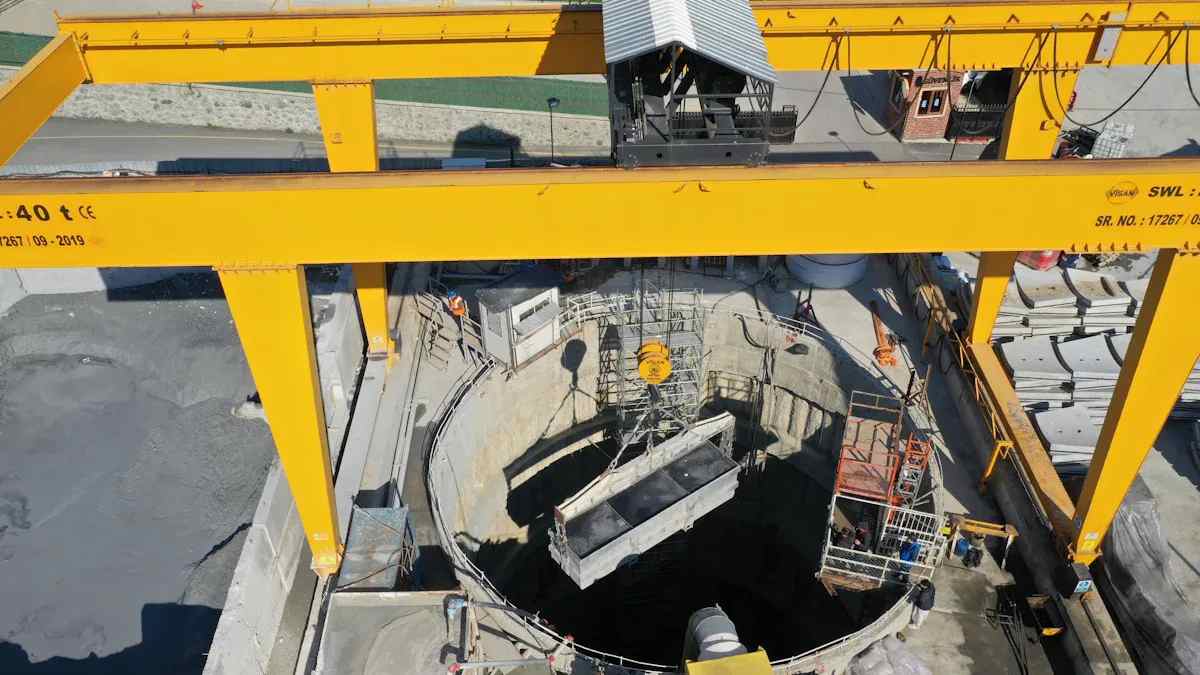
Deep drainage tunnels are an effective solution: large-diameter tunnels are built beneath cities to collect rainwater and sewage, which are then pumped to the surface for unified treatment.


KSB, leveraging its extensive hydraulic design experience, provides durable and efficient sewage pumping solutions, having successfully implemented deep tunnel projects in major cities such as London, Mexico City, and Auckland.


3. Water Scarcity: How to Safeguard Food and Water


According to the Food and Agriculture Organization of the United Nations, global food demand is projected to surge by 70% by 2050. As a result, we are depleting natural water resources, such as aquifers, faster than they can be replenished. This is not surprising, considering that 70% of the world's groundwater is used for irrigation.


Between 2000 and 2018, global per capita renewable water resources decreased by approximately 20%, particularly impacting arid regions such as North Africa, the Middle East, and parts of Europe and the United States.


To conserve water resources, arid countries and regions require more sustainable irrigation methods, such as drip irrigation or the use of recycled water. However, to promote the adoption of such systems, the solutions' lifecycle costs must be attractive.


KSB prioritizes efficiency and has rapidly expanded its business in the irrigation industry over the past decade by offering a diverse range of high-efficiency products and services for various irrigation scenarios. KSB provides Amarex KRT submersible sewage pumps, Etanorm single-stage end-suction centrifugal pumps, Multitec multi-stage centrifugal pumps, Omega double-suction volute pumps, etc., covering the entire chain of agricultural water needs from water intake, pressurization to long-distance transportation.


4. Circular Economy: Rethinking "Raw Materials"


The "Circular Gap Report 2024," released in collaboration between the Circular Economy Foundation and Deloitte, shows that global annual raw material consumption has nearly quadrupled over the past 50 years, reaching 10.14 billion tons in 2021, yet the recycling rate is only approximately 7.2%. This waste not only negatively impacts the environment but also creates raw material shortages and supply chain issues, further impacting the economy.


Achieving a "circular economy" is an important step toward addressing this issue, minimizing resource use and reusing materials.


The KSB EtaLine Pro vertical inline pump was designed with recycling in mind from the outset: it uses over 60% recycled raw materials. Its weight is significantly reduced thanks to a new motor with concentrated windings, saving 73% copper and 49% gray cast iron. Intelligent adjustment options allow the pump to flexibly adapt to changing demand. This prevents waste: if operating conditions change, the entire pump does not need to be replaced.


The number of components has also been reduced from approximately 40 to 15, simplifying logistics and conserving resources. Combined with offsetting unavoidable greenhouse gas emissions, these measures have reduced the pump's carbon footprint to virtually zero.


5. The AI ​​Era: The Data Center Cooling War


Artificial intelligence (AI) enables computers and machines to mimic human learning, problem-solving, and decision-making abilities. Discussions about AI often focus on its impact on productivity and employment.


However, one aspect often overlooked is the enormous energy consumption of AI.


By 2026, electricity consumption by data centers and AI computing power could reach 1050 TWh (terawatt-hours, representing one trillion watts of electricity consumed per hour), accounting for approximately 2% of global electricity consumption.


To meet the growing demands of AI, data centers must concentrate ultra-high power within limited space. Water, a common medium with a specific heat capacity approximately four times that of air, is becoming increasingly important as a coolant. Technologies such as rear-door cooling (RLC) and direct liquid cooling (DLC) use liquid directly to cool processors, reducing energy consumption and becoming the preferred choice for improving efficiency and reducing energy consumption.


KSB's Etanorm single-stage, end-suction centrifugal pumps, with optimized impellers and flow paths, ensure high efficiency, low noise, and wide operating range, providing a proven solution for water and water-glycol loops in data centers. Equipped with an IE5 motor, these pumps maintain excellent efficiency even under low-load conditions, helping to reduce system energy consumption and improve cooling reliability, laying a solid hydraulic foundation for sustainable computing power.


Using Sustainable Certainty

Navigating Uncertain Times

Solutions. Achieving a Better Life

In the face of profound change, the true foundational capability lies in deeply integrating efficiency, reliability, low carbon emissions, and full lifecycle value. Whether in battery factories, deep tunnel drainage, agricultural irrigation, green manufacturing, or data center cooling, KSB provides customers with future-oriented certainty through proven products and engineering experience.

Why do chemical plants tend to replace mechanical seals instead of repairing them?

In the daily operations of chemical plants, mechanical seals are crucial components for ensuring proper equipment operation and preventing leaks. However, when mechanical seals fail and need to be replaced, chemical plants often choose to replace them directly rather than repair them. This seemingly wasteful decision is actually driven by a complex set of considerations.


First


Chemical plants often operate in extremely harsh environments, requiring mechanical seals to withstand extreme conditions such as high temperatures, high pressures, and severe corrosion. Long-term operation causes significant wear and aging of seal components, making it difficult to restore their performance and reliability to their original levels even after repairs. Furthermore, the risk of repaired mechanical seals failing again within a short period of time is high, creating significant uncertainty and potential safety hazards for the plant's continued operations.


Second


Chemical plants have extremely high requirements for production stability and safety. A mechanical seal failure could lead to the leakage of hazardous substances, resulting in serious consequences such as environmental pollution and casualties. To minimize this risk, chemical plants prefer to use new, rigorously quality-tested mechanical seals to ensure long-term stable equipment operation and safe and reliable production.


Furthermore


From the perspective of maintenance cost and efficiency, repairing mechanical seals often requires specialized technicians and complex repair equipment, resulting in a lengthy repair process. Furthermore, procurement of the necessary parts and materials can be time-consuming. In contrast, simply replacing a mechanical seal with a new one can quickly resolve the problem, reduce equipment downtime, and improve production efficiency. Furthermore, new mechanical seals typically offer better performance and a longer service life, reducing overall maintenance costs in the long term.


In addition


Chemical plants' production processes and equipment are constantly evolving. New mechanical seals often utilize more advanced technologies and materials, better adapting to new production requirements and improving equipment efficiency. However, even after repair, older mechanical seals may not meet these new demands.


In summary, chemical plants' decision to replace mechanical seals rather than repair them is not a blind or wasteful decision. Rather, it is based on a comprehensive consideration of multiple factors, including the demanding production environment, high demands for production stability and safety, maintenance costs and efficiency, and technological advancements. This decision is intended to ensure the long-term stability of the chemical plant's operations, guarantee production safety, improve production efficiency, and achieve sustainable development.

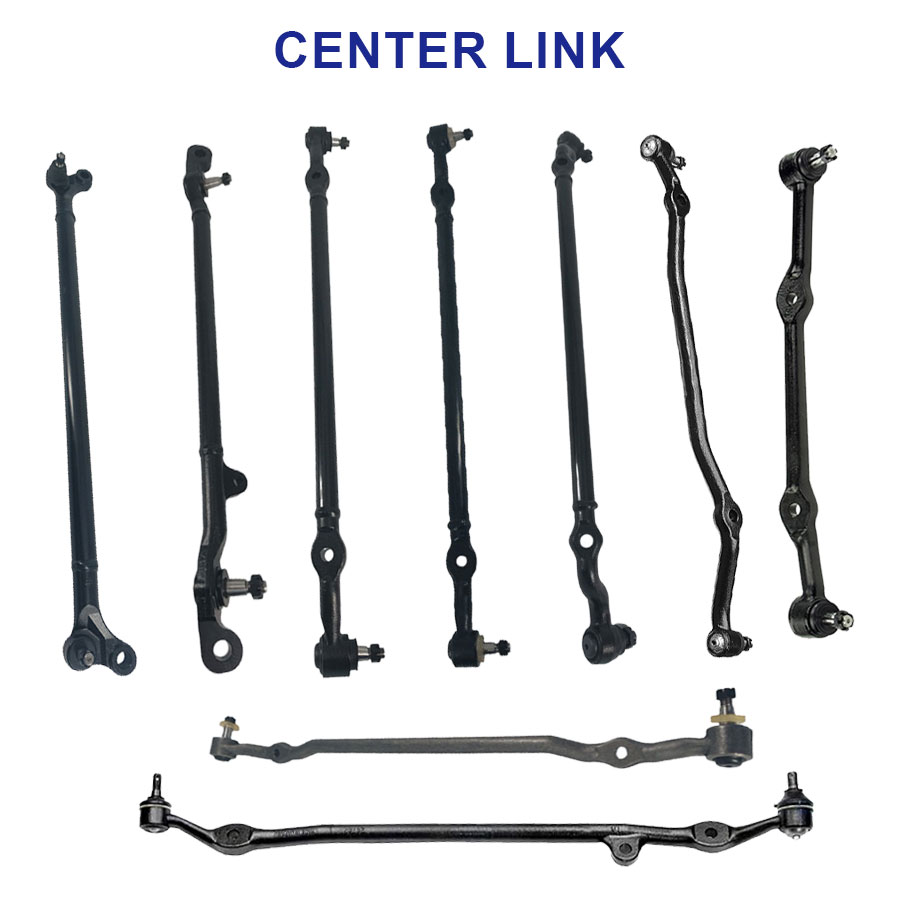
FENGYU Pitman Arms Top-Tier Steering Essentials for Global Vehicles

As a leading producer of automotive components with more than three decades of professional experience, FENGYU has established itself as a dependable provider of Pitman Arms, delivering accuracy and sturdiness to the worldwide aftermarket. Focusing on vital steering parts, we supply an extensive selection of Pitman Arms compatible with 90% of vehicle makes—covering Japanese brands (Honda, Nissan) and American models (Ford, Dodge, Chevrolet, GMC, Jeep). This positions us as the preferred source for Honda Pitman Arms, Nissan Pitman Arms, Ford Pitman Arms, Dodge Pitman Arms, GMC Pitman Arms, as well as specialized variants such as Ford F-150 Steering Pitman Arms, Chevrolet Silverado Pitman Arms, Honda Ridgeline Pitman Arms, Nissan Titan Steering Pitman Arms, Jeep Wrangler Front Pitman Arms, and Dodge Ram 1500 Pitman Arms.
factory-direct Pitman Arm supplier
Built for Toughness: High-Grade Materials & Exact Manufacturing
At FENGYU, every Pitman Arm is designed to serve as the cornerstone of a vehicle’s steering system, starting with superior-grade materials. Our Pitman Arms feature robust forged alloy steel bodies, engineered to handle the strong torque and pressure of steering actions—whether for a Ford F-150 engaged in towing, a Jeep Wrangler tackling off-road terrain, or a Honda Ridgeline used for daily commuting. The key connection points are machined with precise tolerances, enabling seamless integration with the steering linkage and eliminating looseness that leads to unsteady steering.
To boost longevity, each Pitman Arm is treated with a multi-layer anti-rust coating, protecting it from corrosion caused by road salt and moisture. We also equip our Pitman Arms with durable grease fittings (when suitable), allowing for straightforward maintenance to keep the component rotating smoothly—prolonging its service life even in severe weather conditions. Hardware such as mounting bolts is made from high-tensile steel, ensuring a firm fit that won’t come loose over time, whether it’s a Chevrolet Silverado Pitman Arm or a Nissan Titan Steering Pitman Arm.
Customized for Your Business: Flexible OEM/ODM Options
Recognizing the varied needs of aftermarket distributors, wholesalers, and importers, FENGYU provides customizable OEM/ODM services for Pitman Arms to assist you in building your brand. You can select finishes like black oxide (for a tough appearance) or zinc plating (for added anti-corrosion protection), add laser-engraved logos or part numbers for easy brand identification, or choose personalized packaging—from branded colored boxes to custom plastic bags that match your marketing plan.
With a low minimum order quantity (MOQ) of 100 units per model, we make it simple to stock both popular items and specialized options without the burden of heavy inventory. Whether you need to restock Ford Pitman Arms for pickup truck markets or source Jeep Wrangler Front Pitman Arms for off-road enthusiasts, our flexible ordering system ensures you receive exactly what you require. Additionally, our direct-from-factory pricing gives you competitive profit margins, helping you maintain an edge in the aftermarket.
Quality You Can Rely On: Strict Testing & International Certifications
Quality is non-negotiable at FENGYU, and every Pitman Arm goes through rigorous testing to meet or surpass original equipment (OE) standards. We begin with raw material inspections—to confirm the strength and durability of the alloy steel—then conduct in-process checks to ensure dimensional accuracy. Before shipping, each Pitman Arm is tested for torque resistance (to ensure it can handle steering force without bending), rotation smoothness (to avoid stiff steering), and corrosion resistance (to endure harsh environments).
Our dedication to quality is supported by IATF 16949 and ISO 9001 certifications, meaning every FENGYU Pitman Arm—whether a Dodge Ram 1500 Pitman Arm or a GMC Pitman Arm—complies with global quality standards. You can have confidence that our parts will perform as reliably as original components, keeping end-users safe on the road.
Backed by Expertise & Dependable After-Sales Support
We stand behind every Pitman Arm we manufacture with a solid warranty and responsive after-sales service. If you encounter any problems—whether a fit issue with a Honda Ridgeline Pitman Arm or a performance question about a Jeep Wrangler Front Pitman Arm—our team is ready to assist. Simply share photos or videos of the issue, and we will provide prompt solutions, including refunds or replacements in your next order.
With over 30 years of export experience, we understand the importance of timely delivery. Our ready inventory of more than 100,000 Pitman Arms (including best-selling models like Ford F-150 Steering Pitman Arms and Chevrolet Silverado Pitman Arms) ensures fast turnaround for urgent orders, while custom OEM/ODM orders are completed within 30–45 days—keeping your inventory moving and your customers happy.
Partner with FENGYU for Steering Excellence
Whether you need to stock Honda Pitman Arms for sedans, Dodge Ram 1500 Pitman Arms for trucks, or Jeep Wrangler Front Pitman Arms for off-road vehicles, FENGYU combines quality, flexibility, and expertise to support your business. We don’t just supply parts—we build long-term partnerships, offering professional guidance to help you curate a product range that meets the unique needs of your market.
Looking for a trusted Pitman Arm supplier? Get in touch with the FENGYU team today to explore our full range, discuss customization options, and grow your business with parts that keep vehicles steering smoothly and safely.

Effect of Screw Lead in Worm Gear Screw Jacks

In the selection of a worm gear screw jack, the lead of the screw plays a critical role in determining the performance of the system. A larger lead means that the screw produces a longer linear displacement per revolution, which results in higher lifting speed and improved transmission efficiency. However, this also leads to weaker self-locking capability, making the system prone to back-driving and often requiring an additional braking device. Moreover, screw jacks with larger leads generally have lower load capacity and reduced positioning accuracy, making them more suitable for applications where high speed and efficiency are prioritized.
On the other hand, screw jacks with smaller leads operate at lower lifting speeds and lower transmission efficiency, but they provide stronger self-locking capability, higher positioning accuracy, and greater load capacity. They can reliably hold loads in place after stopping, which is particularly valuable in heavy-duty or precision applications. For this reason, small-lead screw jacks are commonly used in scenarios requiring heavy load handling, precise positioning, or self-locking, such as mold adjustment or clamping systems. In contrast, large-lead screw jacks are preferred in applications where fast lifting and high efficiency are needed, such as automated production lines or lifting platforms. Therefore, choosing the proper screw lead is a key factor in ensuring that the worm gear screw jack meets the specific requirements of an application.


How does the linear motion device achieve the angle adjustment function?

Common linear motion devices, such as screw jacks and electric linear actuators, not only allow for vertical lifting but also multi-angle adjustment. Electric linear actuators are a good choice for angle adjustment of screw linear products. As an extension of the screw jacks, their design features a tail end cap with a pin holder and a pinhole head, making installation simple and convenient for multi-angle adjustment. The electric linear actuator's travelling nut is designed with a telescopic tube, which improves overall protection and stability. However, the overall height is also doubled, which limits its use in applications with limited installation space. Due to its anchor-mounted design, screw jacks require additional trunnions and footing to achieve angle adjustment.

electric linear actuatorscrew jack actuator

The introduction and comparison of SWL series/SJA series/JWM series worm gear screw jack

The introduction and comparison of SWL series/SJA series/JWM series worm gear screw jack


SWL, SJA, and JWM are three widely used types of worm gear screw jacks, applied across machinery, automation, stage equipment, and heavy industries. While all three operate on the same worm gear and screw principle, they differ in structure, load capacity, precision, and typical applications.

The SWL series is a classic and cost-effective choice, suitable for general lifting, pushing, and adjustment tasks. Customers looking for reliable worm gear screw jack suppliers will find SWL to be a proven solution for moderate loads and standard industrial applications.

The SJA series offers a modular and compact design, providing higher precision and efficiency. With multiple configurations and optional accessories, it is ideal for automated production lines and multi-point synchronized systems. This series is often selected as a mini screw jack lifts for projects requiring smooth and controlled movement.

The JWM series is a reinforced heavy-duty model designed for low-speed, high-load, and highly stable operation. Compact variants are also available, making it suitable for applications needing screw jack actuator without compromising strength or reliability.

Below is a comparison of the three series:

Feature/Series

SWL Series

SJA Series

JWM Series

Product Type

Classic general-purpose

Modular precision type

Heavy-duty reinforced type

Structure

Mature,standard components

Compact, supports multi-jack use

Robust, durable, shock-resistant

Load Capacity

0.5T 100T

1T 50T

1T 120T

Precision & Stability

Standard

Higher than SWL

High, long-lasting

Typical Applications

Mold adjustment, stage lifts, general equipment

Automated lines, precision adjustment, synchronized lifting

Metallurgy, energy, heavy machinery

Cost

Low

Medium

MediumHigh


From above  we can see that SWL emphasizes versatility and cost-effectiveness, SJA focuses on precision and automation, and JWM provides durability and stability for heavy-duty applications. Understanding these differences helps you choose the most suitable series for their specific industrial requirements.


What does the different gear ratio of a worm gear screw jack mean?


The gear ratio (also called the transmission ratio) of a worm gear screw jack refers to the ratio between the rotational speed of the worm and the rotational speed of the screw, usually expressed as the ratio of the worm's speed to the screw's speed. The gear ratio directly affects the speed and output torque of the screw jack.

Meaning of Gear Ratio:

Definition of Gear Ratio:
The gear ratio (Transmission Ratio) is the transmission ratio between the worm wheel and the worm, usually represented by the ratio of the number of teeth on the worm wheel to the number of threads on the worm. For example, if the worm wheel has 50 teeth and the worm has 10 threads, the gear ratio would be 5:1.

Impact on Speed:
The gear ratio determines the relationship between the rotational speed of the worm and the screw. The larger the gear ratio, the slower the worm's speed and the slower the screw's lifting speed. Therefore, a higher gear ratio will slow down the screw's movement, which is suitable for applications requiring precise control. A lower gear ratio will result in faster screw movement, which is suitable for quick lifting needs.

Impact on Torque:
The larger the gear ratio, the greater the torque transmitted from the worm to the screw. In cases of heavy loads, a larger gear ratio can provide higher output torque, allowing the jack to support heavier loads.

  • Low Gear Ratio (e.g., 1:1 or 3:1) typically provides higher speed but lower output torque, making it suitable for light load, high-speed applications.

  • High Gear Ratio (e.g., 10:1 or 20:1) provides greater torque, making it suitable for applications requiring higher load capacity and precision, but with slower speed.

Gear Ratio and Application Scenarios:

Higher Gear Ratio (e.g., 20:1, 30:1):

  • Suitable for high-load, low-speed applications. Due to lower speed, it provides greater torque, making it ideal for heavy-duty equipment or precision-controlled applications, such as precision lifting platforms and large machinery.

  • Typical Applications: Lifting platforms, heavy-duty cranes, precision machinery.

Lower Gear Ratio (e.g., 3:1, 5:1):

  • Suitable for light-load, high-speed applications. Due to the smaller gear ratio, the speed is higher, but the torque is lower, making it suitable for applications that require faster movement but are not designed for heavy loads.

  • Typical Applications: Light-duty conveyor systems, automated production lines, etc.

Impact of Gear Ratio on Self-locking Performance:

Worm gear screw jacks often feature a self-locking function, meaning that when the worm stops turning, the friction generated by the engagement between the worm and the worm wheel prevents the load from automatically sliding down. When the gear ratio is larger, the self-locking ability is stronger, because the engagement angle between the worm and the worm wheel is greater, making it more difficult for the load to move in the opposite direction.