Your Premier KSB Pump Exporter A Glimpse into KSB's Manufacturing Excellence

In the world of industrial fluid management, reliability isn't just a feature—it's the foundation of operational success. That's why global industries consistently turn to KSB, a brand synonymous with German engineering, innovation, and unparalleled quality. But for international clients, accessing these high-performance industrial pumps efficiently and cost-effectively can be a challenge. 

Our Deep-Rooted Partnership with KSB

At SOOU PUMP, our mission has always been to provide more than just products; we deliver comprehensive pump sourcing solutions. Our long-standing partnership with KSB is built on a shared commitment to excellence. We are not just a reseller; we are an extension of the KSB quality promise, equipped with the technical expertise and logistical network to serve a global clientele. Our position as a leading industrial pump supplier in China gives us unique advantages in inventory, response time, and application support.

Witnessing Engineering Firsthand: Our KSB Factory Tour

To truly understand the value embedded in every KSB pump, one must witness its creation. We recently had the privilege of visiting a state-of-the-art KSB manufacturing facility, and the experience reinforced our confidence in the brand.

As you can see in our video, the factory is a showcase of precision and automation. From the robotic arms handling heavy components with micron-level accuracy to the rigorous, multi-stage quality control checks, every step is designed for perfection. This commitment to advanced manufacturing is why KSB pumps consistently deliver superior efficiency, durability, and lower total cost of ownership. When we export pumps from China, we are exporting this guaranteed quality.

The SOOU PUMP Advantage: Why Source KSB Pumps from Us?

Choosing SOOUPUMP as your KSB pump exporter provides tangible benefits for your international projects:

  • Competitive Sourcing: Leveraging our strong distribution network in China, we offer highly competitive pricing on a wide range of KSB products, from centrifugal pumps to submersible units.

  • Vast Inventory & Rapid Delivery: We maintain a substantial inventory of popular KSB models, significantly reducing lead times compared to ordering from other regions. We get your project moving faster.

  • Expert Technical Support: Our team consists of experienced engineers who can help you with model selection, system design, and troubleshooting. We ensure you get the right pump for your specific application.

  • Seamless Export Logistics: We are experts in international trade. From secure packaging to customs clearance and global shipping, we manage the entire process to ensure your order arrives safely and on time.

Your Global Partner for Pumping Solutions

The combination of KSB's world-class manufacturing and SOOU PUMP's dedicated service creates an unbeatable value proposition. We bridge the gap, making premium high-performance industrial pumps accessible to you, no matter where your project is located.

Are you looking for a reliable partner to source KSB pumps from Asia? Look no further.

Contact the SOOU PUMP export team today to discuss your requirements or request a quote. Let's build a powerful and efficient future, together.
Advantages of TEYUN Container shear

Container shears are a common metal processing equipment, mainly used for shearing metal materials such as plates and strips. Its advantages mainly include the following aspects:


1. Stable structure and high rigidity

Container shear usually adopt a box-shaped structure design, with strong overall rigidity, can withstand large shearing force, and are suitable for processing high-strength materials.


The stable structure reduces the vibration and deformation of the equipment during the shearing process and improves the processing accuracy.


2. High shearing accuracy

Due to the good rigidity of the container shears and the precise adjustment of the blade gap, the flatness and verticality of the shearing surface can be guaranteed, which is suitable for processing with high precision requirements.


It is suitable for occasions with high requirements for incision quality, such as precision sheet metal processing.


3. Wide range of applications

It can shear a variety of metal materials, such as low carbon steel, stainless steel, aluminum alloy, copper, etc.


It can handle plates of different thicknesses and widths and has strong adaptability.


4. Good safety performance

Equipped with protective devices (such as photoelectric protection, two-hand operation buttons, etc.) to reduce operating risks.


The stable structural design reduces the occurrence of accidents.

Metal Baler Machines Compact Powerhouses of the Scrap Industry

In the bustling world of scrap metal recycling, efficiency is paramount. Enter the metal baler machine – an indispensable piece of equipment designed to transform loose, bulky scrap into dense, manageable packages called bales. More than just a compactor, a metal baler is a sophisticated hydraulic press engineered to handle the immense forces required to conquer tough ferrous and non-ferrous materials.

The primary mission of a metal baler is volume reduction. Loose scrap metal – think shredded auto bodies, turnings, wire, sheet metal offcuts, or cans – occupies significant space, making storage, handling, and transportation costly and inefficient. Balers ingest this material into a large chamber. Using powerful hydraulic cylinders (often generating hundreds or even thousands of tons of force), a massive ram systematically compresses the metal against a fixed wall or opposing ram. This relentless pressure crushes voids, bends and deforms the material, packing it tightly into a rectangular or cylindrical bale. The compacted bale is then typically secured with wire ties before being ejected.


Key Advantages:


1.  Massive Volume Reduction: This is the most significant benefit. Reduction ratios of 10:1, 20:1, or even higher are common, drastically shrinking the footprint of scrap piles. This translates directly into:

2.  Lower Transportation Costs: More metal fits onto each truckload, reducing the number of trips required to move material to mills or foundries.

3.  Optimized Storage: Bales stack neatly and securely, maximizing yard space utilization and improving site organization and safety.

4.  Enhanced Material Value: Mills often prefer dense, homogeneous bales as they feed more consistently into furnaces and yield more predictable melt results. Clean, well-compacted bales can command better prices.

5.  Improved Safety & Handling: Loose, jagged scrap poses significant hazards. Bales are far easier and safer to move using standard material handling equipment like forklifts or cranes.

6.  Environmental Benefit: Efficient transportation means fewer truck miles and lower associated emissions. Tidy storage also minimizes environmental risks from loose scrap.


Balers come in various configurations (two-ram, downstroke, shear/baler combos) suited to different volumes and material types (light gauge, heavy fragmentation, wire). Key operational factors include throughput capacity (tons per hour), bale density achieved, chamber size, and power requirements. Robust construction is vital to withstand constant high-pressure stress and abrasive materials. Safety features like interlocks and guarding are critical due to the immense forces involved. Regular maintenance of hydraulic systems, rams, and cutting blades (if equipped) is essential for longevity and uptime.


The metal baler machine is far more than heavy machinery; it's a strategic asset for any serious scrap metal operation. By radically reducing volume, streamlining logistics, enhancing safety, and potentially boosting material value, balers provide a compelling return on investment. They embody the principle of working smarter, not harder, turning chaotic piles of scrap into neatly packaged commodities ready for their next life in the production cycle, making them fundamental to the efficiency and economics of modern metal recycling.

The Workhorse of Waste Management Horizontal Baling Machines

Horizontal baling machines are indispensable industrial workhorses designed to efficiently compress loose, bulky materials into dense, manageable bales for storage, transport, and recycling. Unlike vertical balers, they load material from the side into a long, horizontal compression chamber using a powerful hydraulic ram.


Core Function & Process:

1.  Loading: Material (cardboard, paper, plastic film, textiles, non-ferrous metals, foam, crop residues) is fed manually, via conveyor, or with a loader into the large horizontal charging chamber.

2.  Compression: A heavy-duty hydraulic ram pushes the material along the chamber, compacting it against a fixed platen or previous bale with immense force (often hundreds of tons).

3.  Bale Formation: Compression continues until the chamber is full and the material reaches the desired density. The ram retracts.

4.  Tying/Ejecting: Wires or plastic strapping are automatically fed around the dense block and tied. The rear door opens, and the ram ejects the finished bale.

5.  Reset: The door closes, and the cycle repeats.


Key Applications & Benefits:

   Recycling Centers: Processing vast volumes of OCC (old corrugated cardboard), mixed paper, plastics (PET, HDPE, film), and aluminum cans into standardized, high-density bales for sale to reprocessors.

   Manufacturing & Distribution: Handling packaging waste (cardboard, plastic wrap, foam) generated on-site, dramatically reducing waste volume and disposal costs.

   Retail & Warehousing: Managing cardboard boxes and packaging materials efficiently, improving cleanliness and safety.

   Agriculture: Baling crop waste (straw, husks), silage, or recyclable plastics used in farming.

   Textile Recycling: Compacting used clothing and fabric scraps.

   Volume Reduction: Achieves dramatic reductions (up to 90%), slashing hauling and landfill fees.

   Improved Efficiency: Creates uniform, dense bales that are stable, easy to handle (with forklifts), stack, and store, optimizing space.

   Enhanced Safety: Reduces trip hazards, fire risks, and manual handling associated with loose material.

   Revenue Generation: Produces valuable commodity bales for the recycling market.

   Environmental Compliance: Facilitates efficient waste diversion and recycling programs.


Considerations:

   Requires significant floor space for the machine, infeed area, and bale storage.

   Needs a reliable power source (often high-voltage) for the hydraulics.

   Demands trained operators and regular maintenance.

   Higher initial investment than vertical balers, offset by greater throughput and bale density.


In essence, horizontal balers are vital for any operation generating large volumes of recyclable or bulky waste, transforming messy, space-consuming materials into neat, transportable, and valuable commodity bales, driving operational efficiency, cost savings, and sustainability.

Tire Shredder Catalyst for economic growth and environmental protection

Tire shredders are specialized machines designed to process used tires into smaller, more manageable pieces. These machines play a crucial role in the recycling industry, helping to address the growing problem of tire waste.


Tire shredders are usually accompanied by tire wire drawing machines. After the steel wires in the tires are separated, the tires are fed into the feed port by a conveyor or manually, and then shredded.


Tire shredders offer several economic advantages:

1. Cost Savings: Shredding tires reduces waste volume, lowering disposal costs.  

2. Revenue Generation: Shredded rubber is sold as raw material for products like rubber asphalt, sports surfaces, and new tires, creating additional revenue.  

3. Energy Recovery: Shredded tires are used as tire-derived fuel (TDF) in cement kilns and power plants, offering a cost-effective alternative to fossil fuels and reducing energy costs.


Tire shredders also provide some environmental benefits:

1. Waste Reduction: Shredding tires reduces their volume, making them easier to manage and store, minimizing environmental impact.  

2. Resource Conservation: Recycling shredded rubber reduces the need for virgin rubber, conserving natural resources and lowering environmental impact.  

3. Carbon Footprint Reduction:Rubber powder and oil from waste tires replace industrial products, cutting carbon pollution.


Tire shredders are vital in combating tire waste, delivering economic and environmental benefits. They process used tires into valuable raw materials, enabling cost savings, revenue generation, and job creation. Additionally, they reduce waste, conserve resources, and prevent pollution, playing a key role in sustainable waste management. As recycling demand grows, tire shredders will remain central to building a cleaner, greener future.

Professional tape testing solutions Testing equipment for peel, holding force and initial tackiness

In the quality control system of adhesive products, peel strength, long-lasting holding force and initial tackiness are the fundamental tests for evaluating the reliability of bonding. Based on 15 years of adhesive testing experience, Suzhou TOPHUNG has launched a full-process testing solution to help packaging, electronics and automotive enterprises overcome industry pain points such as delamination, creep and adhesive attenuation.

Why is systematic testing needed?

The complexity of tape performance requires multi-dimensional verification:

  • The peel strength determines the reliability of immediate bonding (such as the bonding of mobile phone screens)
  • Holding force reflects the long-term load capacity (such as automotive structural tapes)
  • Initial adhesiveness affects the application efficiency of the production line (such as automatic label application)


Single-index testing can easily lead to quality blind spots - for instance, high-viscosity adhesive tapes may slip later due to insufficient cohesion.

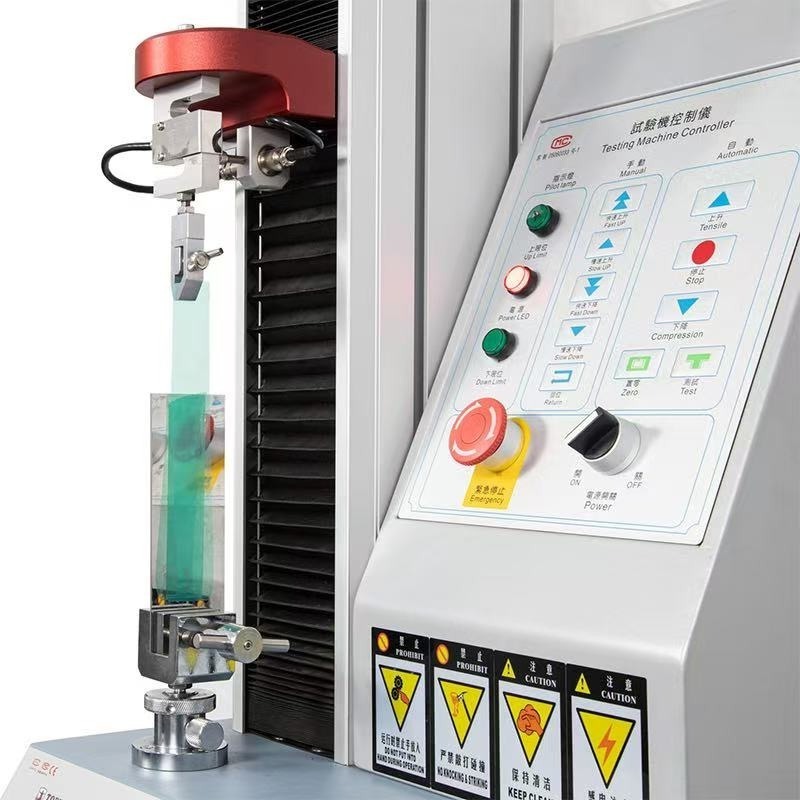
Table type Tensile Testing Machine

Address pain points: Quantify the risk of bond failure

  • Driven by an o 0.5 grade servo motor, the peel speed is adjustable from 1 to 500 mm/min
  • 180°/90° adjustable peel Angle fixture (conforming to GB/T 2792)


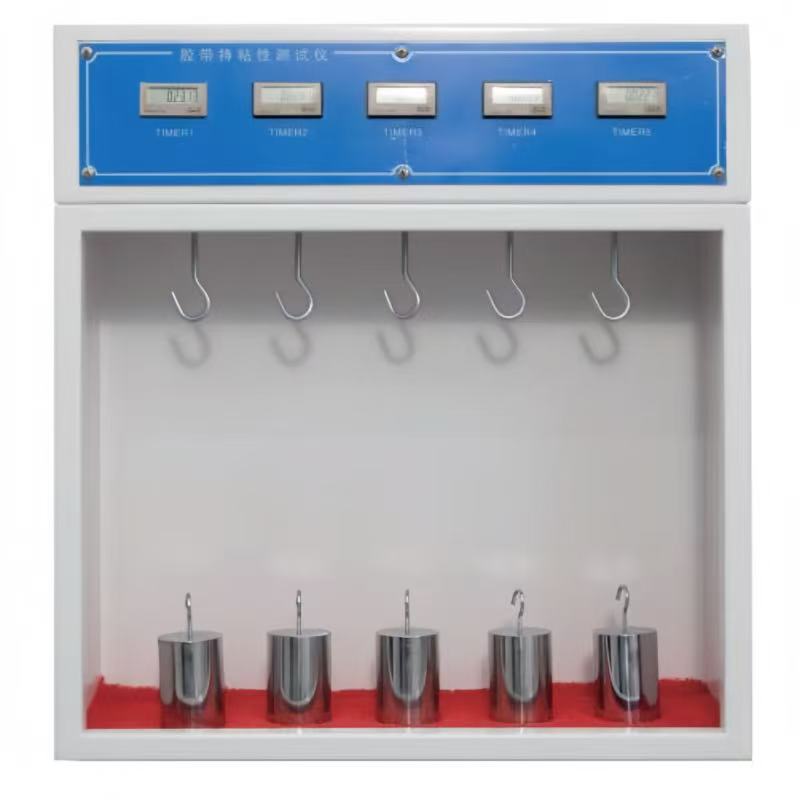
Tape Retention Testing Machine

Address pain points: Predict long-term creep failure

  • Multi-station parallel testing (1-6 stations)


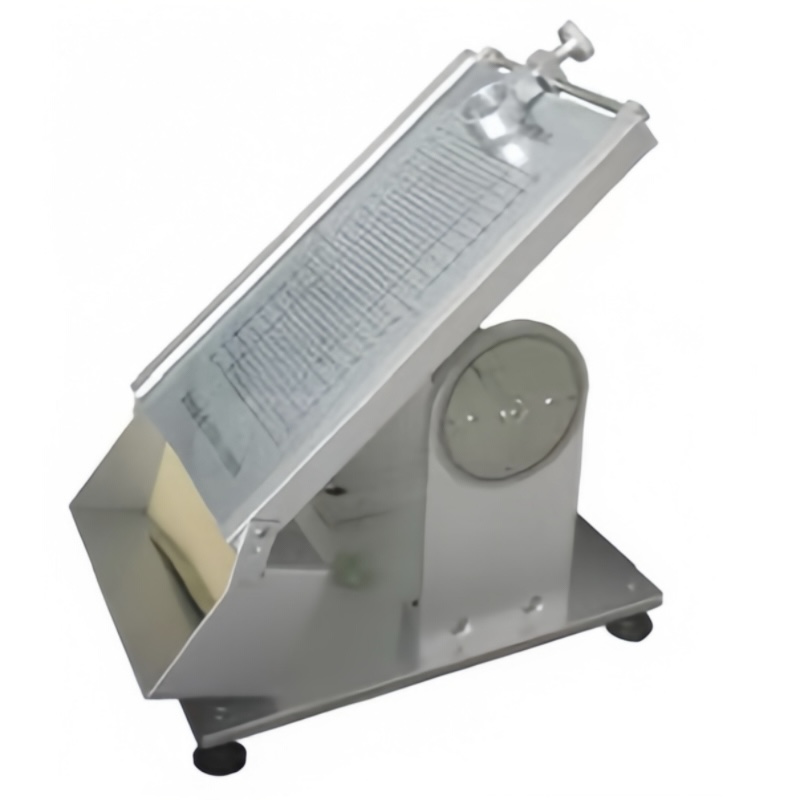
Adhesive Tape Testing Machine

Address pain points: Objectively assess initial stickiness

  • Stainless steel ball rolling set (Φ1/32"~1", ISO grade 5 precision)
  • The inclination Angle can be adjusted from 20 to 60° (in compliance with GB 4852 & JIS Z0237)


The tape testing equipment provided by our company comprehensively covers the key testing requirements of tapes, helping customers ensure the quality of their products and meet specific application needs. Whether you are seeking tapes with high adhesion performance, products that pursue long-term stability in use, or applications that emphasize initial adhesion, our company's professional testing equipment can meet your needs and help you choose the most suitable tape solution. Contact us to learn more about our company's testing equipment and services. Let's embark on a quality journey of your products together.


Boost Production Efficiency with UUPAC​'s Multihead Weigher

    In today's fast-paced manufacturing landscape, staying ahead means maximizing production efficiency. UUPAC's Multihead Weigher is the ultimate solution for businesses aiming to streamline operations, cut costs, and increase output. With advanced features and versatile applications, it's designed to transform your production line.

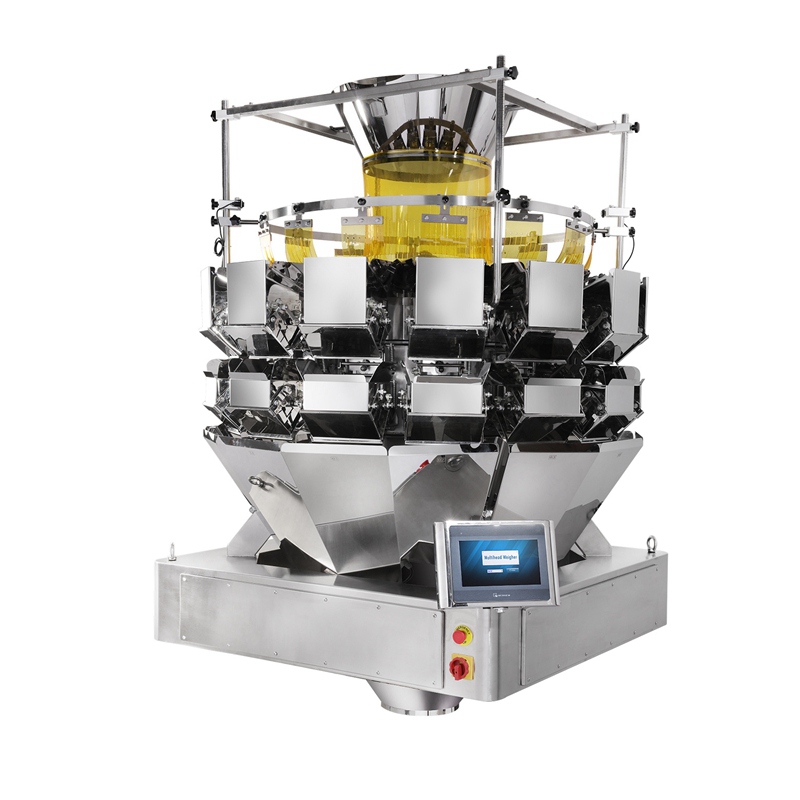
 Multihead weigher

Advanced Features of Our Multihead ​Weigher

1. High-Speed & Precision: Our weighers use high-precision digital sensors for rapid sampling and accurate weighing, ensuring reliable high-volume production.​

2. Flexible Zero-Setting: With manual or automatic zeroing and dynamic tracking, calibration is easy and accuracy is consistent.​

3. Optimized Algorithm: The latest sampling algorithm reduces errors and waste, enhancing weighing precision.​

4. Anti-Block Design: Multiple discharge hoppers prevent material blockages, keeping your line running smoothly.​

5. Smart Fault Detection: The built-in system quickly finds and fixes issues, minimizing downtime.​

6. Dual Function: Combining weighing and counting boosts accuracy, fitting diverse production needs.​


Wide Applications of Our Multihead Weigher

UUPAC's multihead weigher isn't just for snacks. It's engineered for quantitative weighing of granular, strip-shaped materials. In food processing, it handles items like chocolates, raisins, and coffee beans. The system also serves pharmaceutical tablets, hardware components, chemical granules, and plastic pellets – proving its adaptability across industries.


  UUPAC's Multihead Weigher offers a perfect blend of speed, precision, and flexibility tailored to your unique business needs.  Whether you're a small-scale manufacturer looking to optimize costs or a large enterprise aiming for higher throughput, our solution can deliver tangible results.  Please contact us for more information if you are interested.


How to Increase Production Efficiency with UUPAC's Belt Combination Weigher

    In today's fast-paced manufacturing environment, optimizing production efficiency is crucial for maintaining competitiveness. One of the key tools that can help achieve this goal is UUPAC's Belt Combination Weigher. This advanced weighing solution enhances accuracy, speed, and consistency in production lines, making it an indispensable asset for industries such as food processing, pharmaceuticals, and logistics.

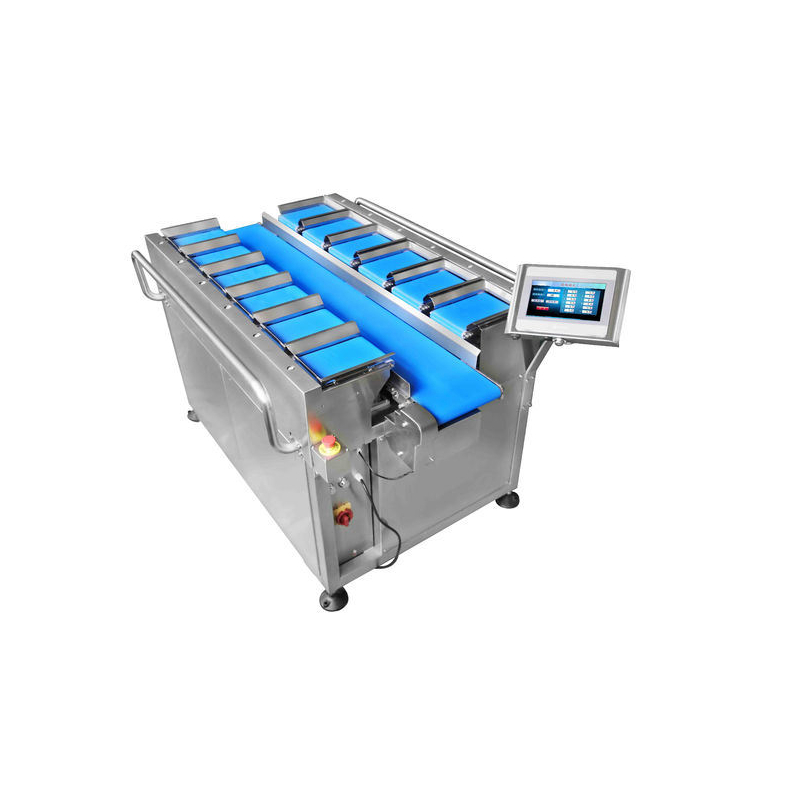
  12 Belt Combination Weigher

What Is a Belt Combination Weigher?

    A Belt Combination Weigher is a high-speed, multi-head weighing system that combines precision and automation to ensure accurate product measurement. Unlike traditional weighing methods, it uses multiple weigh buckets and an intelligent algorithm to select the optimal combination of weights, minimizing errors and maximizing throughput.


    UUPAC's version stands out due to its durable construction, advanced software, and seamless integration with existing production lines.


Main Features of UUPAC's Belt Combination Weigher

1. Modular Belt Design——Detachable belt scale for easy cleaning.

2. Durable & Hygienic Construction——Full SUS304 stainless steel frame with IP65 dust/waterproof rating.

3. Smart Alarm System——Visual alerts for:

   ① Single overweight exceeding preset limits.

   ② Abnormal product flow or failed combination.

4. Auto-Stop Function——Halts operation upon reaching preset production targets or weighing quantities.

5. Flexible Combination Modes——Supports weight-based or quantity-based combinations.

6. Priority Combination Control——Customizable belt prioritization and quantity limits.

7. Blending Weighing Optimization——Adjustable stagger discharge intervals and belt selection for mixed products.


How to Maximize Efficiency with UUPAC's Belt Combination Weigher

1. Optimize Product Flow

① Ensure proper alignment with upstream and downstream equipment.

② Adjust belt speed to match production requirements.


2. Regular Calibration & Maintenance

① Schedule routine checks to maintain accuracy.

② Clean belt and sensors to prevent buildup.


3. Use Smart Software Features

① Leverage real-time data tracking to monitor performance.

② Adjust combination algorithms for different product densities.


4. Train Operators Effectively

① Provide hands-on training for troubleshooting and adjustments.

② Encourage proactive monitoring of weight deviations.


    Ready to boost your production efficiency? UUPAC's Belt Combination Weigher delivers faster throughput and pinpoint accuracy while reducing waste. Contact us today for a customized solution and discover how much more your production line could achieve!

How UUPAC's Fully Automatic Net Bag Packing Machine Solves 3 Major Vegetable Packaging Inefficiencies

  In today's competitive vegetable processing industry, inefficient packaging systems continue to hinder productivity and profitability for producers globally. UUPAC's Fully Automatic Net Bag Packing Machine delivers a better solution, combining precision engineering with smart technology to overcome three critical operational challenges. Below is an in-depth exploration of how UUPAC's Fully Automatic Net Bag Packing Machine solves vegetable packaging operational challenges.

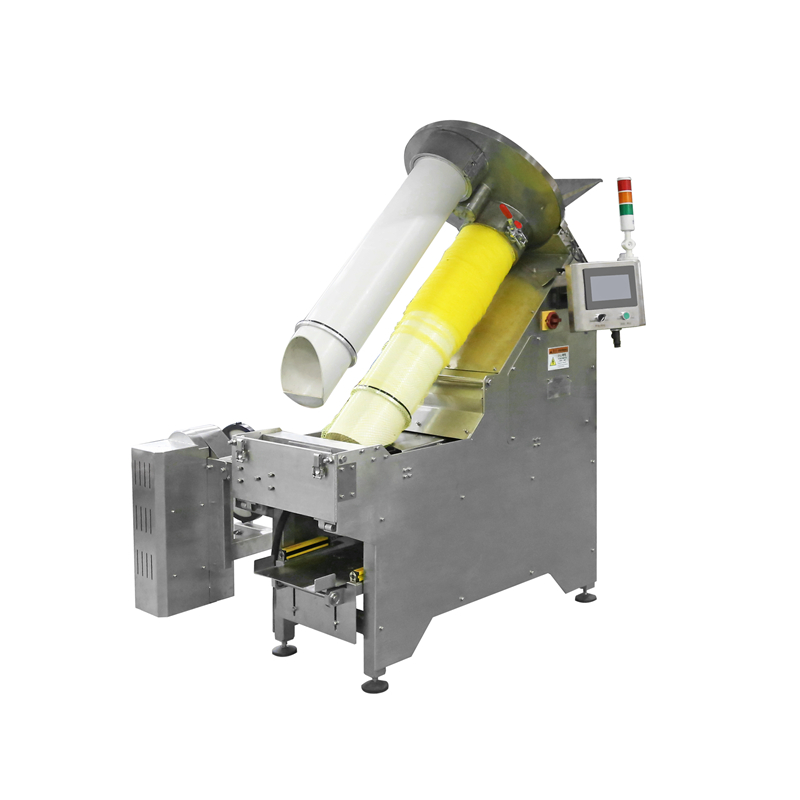
Fully Automatic Net Bag Packing Machine

1. Overcoming Manual Labor Limitation

  Traditional packaging lines rely heavily on human operators for sorting, weighing, and bagging, leading to inconsistent output and high labor costs. UUPAC's machine addresses this with its AirTAC pneumatic components and Schneider PLC control system, delivering up to 25-40 bags per minute. The intuitive touch-screen interface simplifies operation, reducing reliance on skilled labor and enabling seamless workflow management. Additionally, the dual positioning gears and proximity switches ensure precise net bag placement, eliminating the need for manual adjustments and further enhancing efficiency.​


2. Mitigating Product Damage During Packaging​

  Fragile vegetables such as leafy greens and berries often suffer bruising or wilting due to rough handling in conventional machines. UUPAC's solution incorporates a robust construction of hard carbon steel plates and stainless steel materials, ensuring hygienic operations while minimizing mechanical wear. The innovative tube design enables automatic net bag replacement after each use, reducing contact between the machine and produce to lower damage rates by 70%. This design, combined with the gentle conveying system, preserves vegetable freshness and quality, making it ideal for premium produce suppliers.​


3. Enhancing Operational Flexibility​

  Adapting to diverse production needs is critical for modern vegetable processors, and UUPAC's machine excels in delivering operational agility. The packaging size of the equipment adheres to industry standards, ensuring compatibility with various distribution channels and minimizing integration hurdles. The quick and effortless packing tie change mechanism stands out as a key feature, allowing operators to switch between different product types in minutes——whether transitioning from leafy greens to root vegetables or adjusting bag sizes for varying batch quantities. This flexibility is further amplified by the high-reliability LS inverters and Schneider PLC control system, which enable real-time parameter adjustments to accommodate different packaging requirements without compromising speed or precision. The result is a production line that can rapidly respond to fluctuating market demands, reducing downtime and maximizing equipment utilization.​


Conclusion——Why choose our Fully Automatic Net Bag Packing Machine?

1. Durable Construction: Hard carbon steel and stainless steel materials ensure corrosion resistance and long-term hygiene.​

2. Automatic Net Bag Replacement: Tube design streamlines operations for continuous use.​

3. Reliable Pneumatics: AirTAC components guarantee stable performance over extended periods​

4. Precision Positioning: Dual gears and proximity switches ensure accurate bag alignment.​

5. Intelligent Controls: LS inverters and Schneider PLCs enable intuitive, high-precision operation

6. Standardized Sizing: Meets industry packaging norms for seamless integration.​

7. Effortless Adjustments: Quick packing tie changes for versatile production runs.​

8. User-Friendly Interface: Intuitive touch-screen controls reduce training time and operational errors.​


By integrating these features, UUPAC's Fully Automatic Net Bag Packing Machine not only resolves long-standing inefficiencies but also sets new standards for productivity and quality in vegetable packaging. Please contact us for more information if you're interested.​

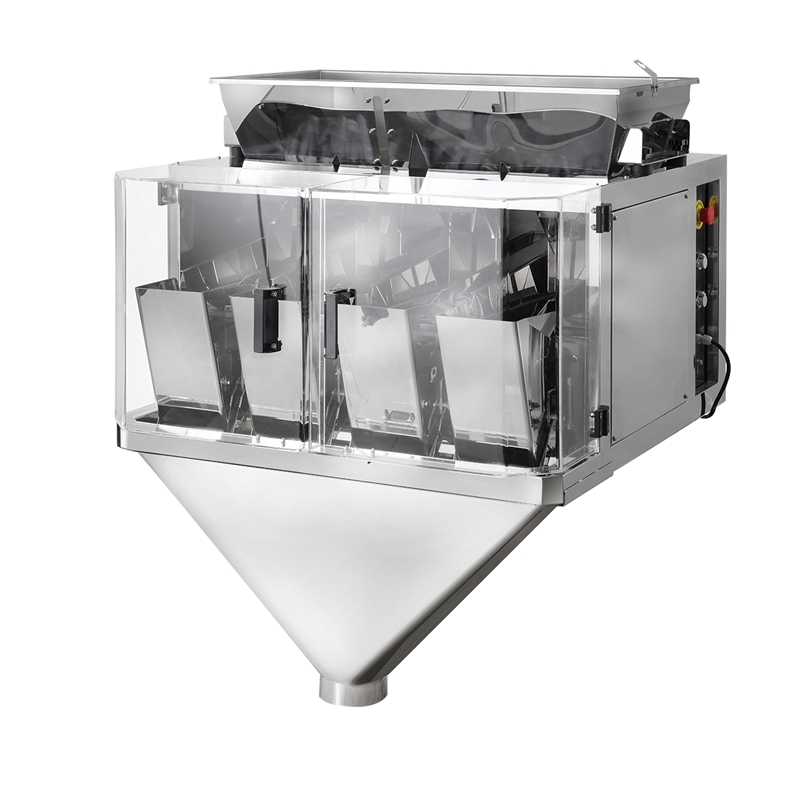
The Role of High Accuracy Linear Weigher in Food Industry​

    In the fast-paced and highly competitive food industry, precision is not just a preference—it's a necessity. This is where UUPAC's High Accuracy Linear Weigher steps in.​

High accuracy linear weigher


    First and foremost, a high accuracy linear weigher plays a pivotal role in ensuring food safety and compliance. By accurately measuring the weight of each food item, it helps prevent underweight or overweight packaging, which could lead to regulatory issues and damage to a brand's reputation. For example, in the production of pre-packaged snacks or frozen foods, even the slightest weight discrepancy can violate consumer protection laws.​


    Efficiency is another area where this technology shines. High accuracy linear weighers are designed for high-speed operation without sacrificing precision. They can handle a large volume of products in a short time, significantly increasing production output. This means faster turnaround times and the ability to meet growing market demands.​


    Cost-effectiveness is also a key advantage. With accurate weighing, food manufacturers can reduce product waste. Over-filling packages with extra product is not only wasteful but also increases production costs. The high accuracy linear weigher ensures that the exact amount of product is used, optimizing resource utilization and cutting down on unnecessary expenses.​ In conclusion, the high accuracy linear weigher has become an indispensable asset in the food industry, offering a combination of safety, efficiency, and cost-savings that no modern food production line can afford to overlook.​