Steel Wire Rods are among the most versatile semi-finished products in the global metallurgical value chain. From critical automotive components to foundational construction materials, their presence is ubiquitous. Delivered in coils with diameters generally ranging from 5.5 mm to 15 mm, wire rods serve as the essential raw material for countless downstream industries.
For procurement managers and engineers, quickly identifying the right material classification and understanding the quality control behind it is crucial for ensuring successful processing and effective cost control.
Here is your comprehensive guide to finding the right steel wire rods for your next project.
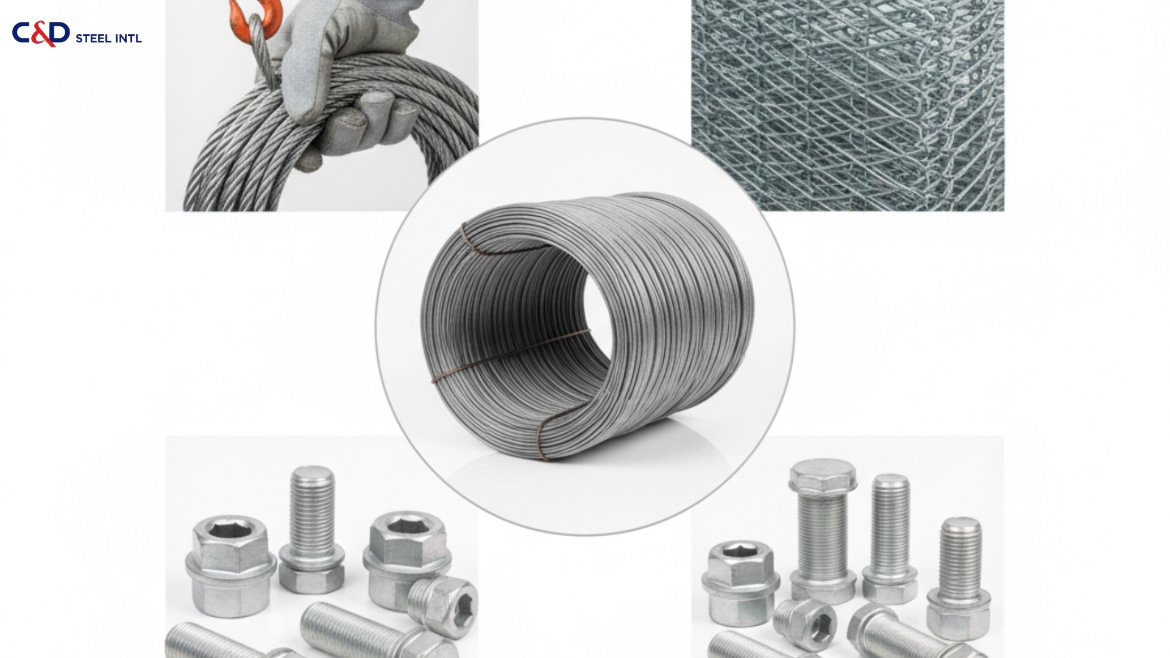
1. Main Types and Grades of Steel Wire Rods
Steel wire rods are primarily classified based on their carbon content, alloying elements, and chemical purity. Finding the right grade is the first step in any successful procurement process.
Low-Carbon Steel Wire Rods
- Characteristics: With a carbon content typically between 0.06% and 0.22%, these rods offer exceptional ductility, formability, and excellent weldability.
- Common Grades: SAE 1006 / 1008, JIS MSWR 6, GB/T 701 (Q195, Q235).
- Applications: Widely used in manufacturing galvanized wire, nails, wire mesh, and construction binding wire.
Medium & High-Carbon Steel Wire Rods
- Characteristics: Known for their high strength, outstanding wear resistance, and long fatigue life. "Piano Wire" represents the pinnacle of carbon steel wire rods, requiring extreme internal purity and flawless surface quality.
- Common Grades: SAE 1045 to 1080, JIS SWRH 82B, GB/T 4354 (45#, 65Mn, 82B).
- Applications: Production of wire ropes, Pre-stressed Concrete (PC) Strand, tire cords, and various mechanical parts.
Cold Heading Quality (CHQ) Wire Rods
- Characteristics: Specifically designed for cold forging. They require exceptionally high surface quality and internal soundness to prevent cracking during the severe deformation processes of making bolts or nuts.
- Common Grades: JIS SWRCH 6A-50K, SAE 10B21, GB/T 6478 (ML08Al, ML35).
- Applications: The core material for the fastener industry, used to manufacture high-strength bolts, nuts, and rivets.
Welding Wire Quality
- Characteristics: Features strictly controlled levels of impurities (such as Sulfur and Phosphorus) to guarantee the strength and toughness of welded joints.
- Common Grades: JIS SWRY 11, ER70S-6 / GB/T 3429 (ER50-6).
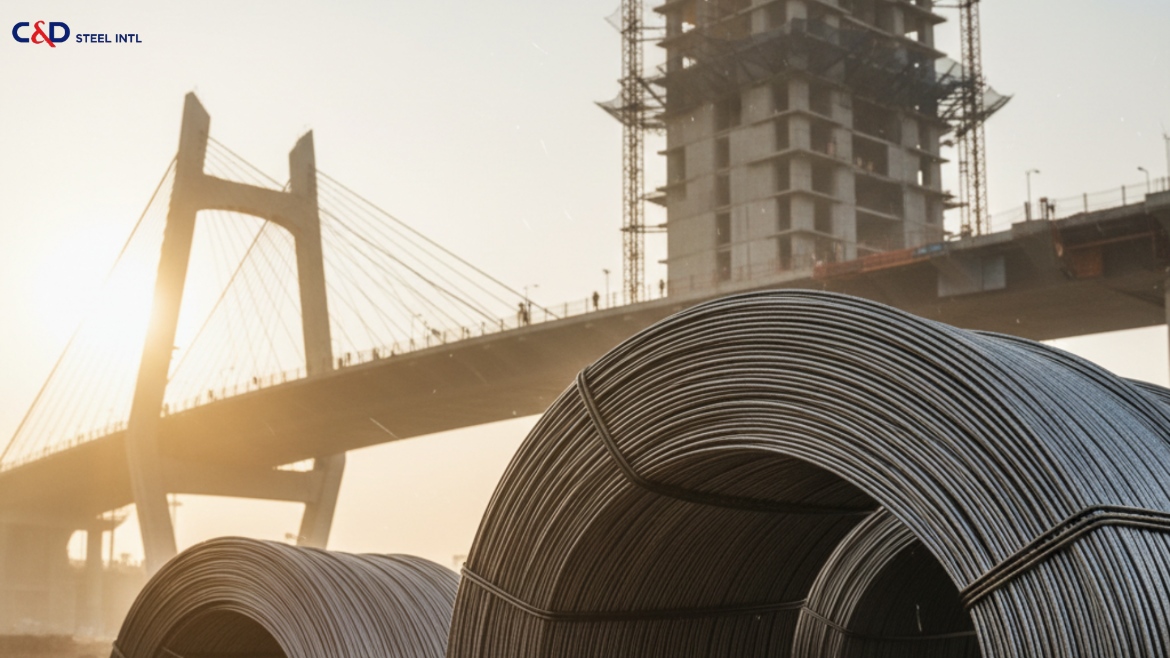
2. Top Applications: Where Are They Used?
Wire rod is highly adaptable, and its true value is realized during downstream processing across various industries:
- Construction & Infrastructure: Transformed into welded wire mesh and binding wire, as well as PC Strand used for reinforcing bridges and high-rise buildings
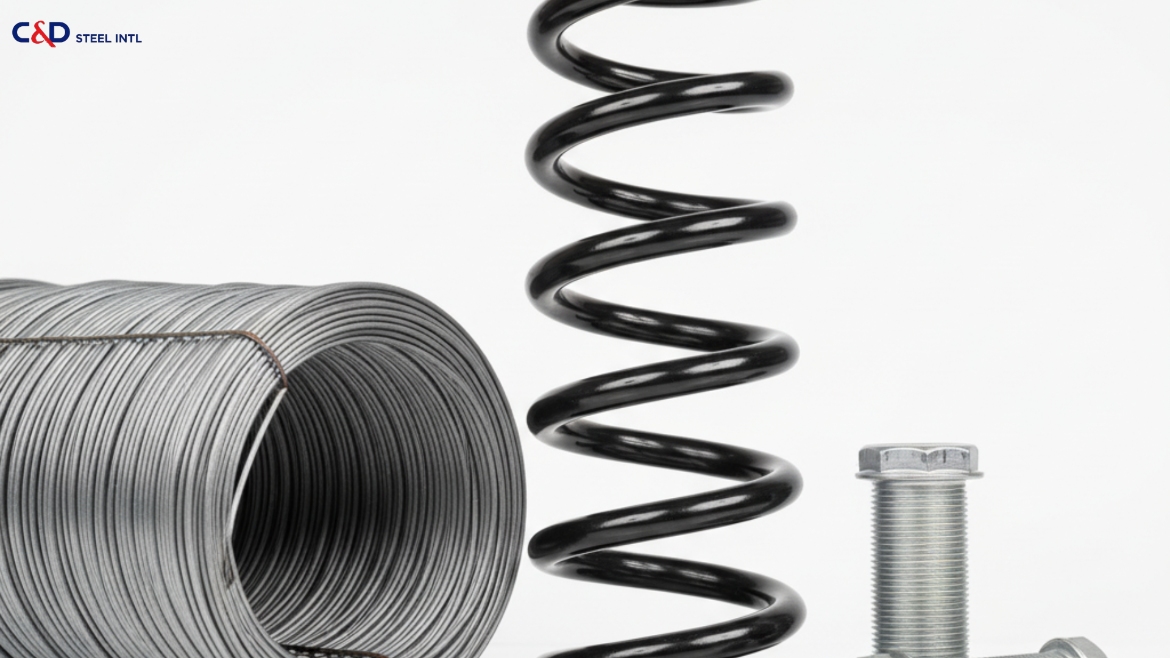
- Automotive Industry: Acting as the "backbone" of vehicles, wire rods are used to manufacture suspension springs (often using SAE 9254 silico-manganese steel), engine valve springs, tire cord wire, and high-strength fasteners.
- General Manufacturing: Covering everything from precision machinery components, wire ropes, and conveyor belts to everyday items like coat hangers, paperclips, and nails.
3. Key International Standards
To ensure compatibility across global supply chains, Cheongfuli (Xiamen) Co., Ltd. ensures that all our wire rod products strictly comply with major international and domestic standards:
- American Standards: ASTM A510 / A510M (General requirements for carbon steel wire rods).
- Japanese Standards: JIS G 3505 (Low-carbon), JIS G 3506 (High-carbon), and JIS G 3507 (CHQ steel)
- European Standards: EN 10016-2 (Non-alloy steel rod for drawing and/or cold rolling)
- Chinese Standards: GB/T 701 (Low-carbon steel wire rods), GB/T 4354 (High-carbon), and GB/T 6478 (Cold heading steels).
4. How Are High-Quality Wire Rods Manufactured? (Our QC Process)
Once you've identified the right grade, the next challenge is finding a reliable supplier. As a professional global steel supplier, Cheongfuli (Xiamen) Co., Ltd. partners exclusively with top-tier mills that utilize advanced hot rolling processes.
To ensure our clients receive defect-free materials, here is the rigorous manufacturing and quality control (QC) process we require from our partner mills:
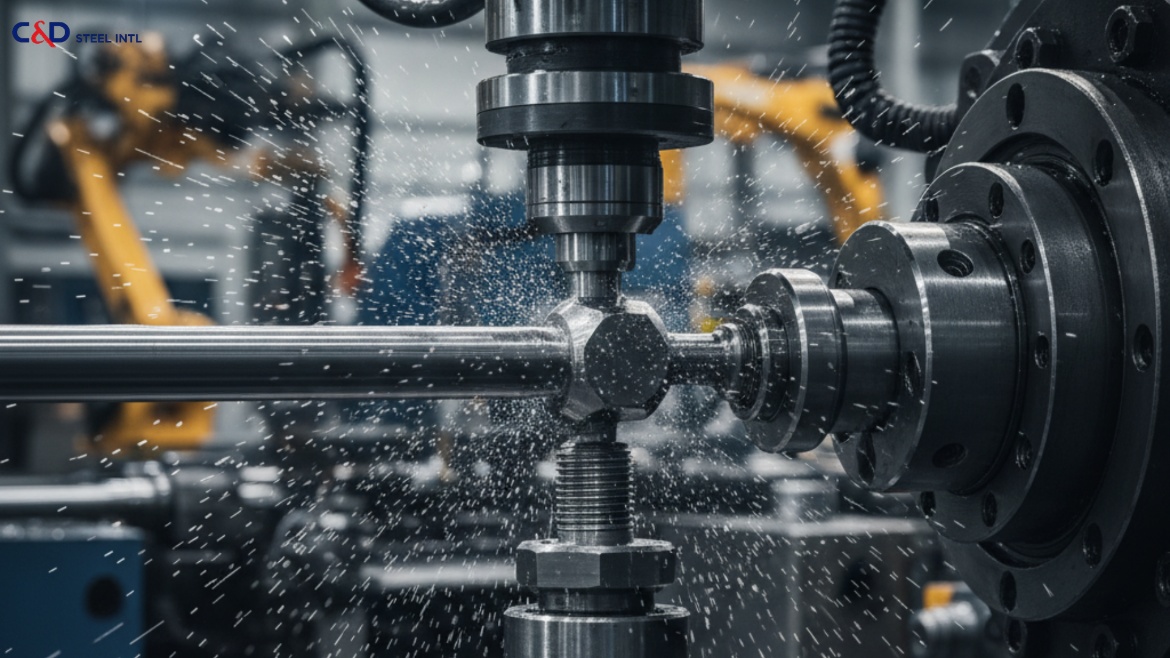
- Billet Preparation & Inspection: Manufacturing begins with high-quality steel billets. Before rolling, we ensure our partner facilities conduct Ultrasonic Testing (UT) and Magnetic Particle Inspection (MPI) to detect any internal flaws.
- The Hot Rolling Process: We specifically source from modern plants equipped with No-Twist Mills. This prevents the wire rod from twisting between stands, thereby avoiding mechanical damage and surface scratches—a critical standard we set for our CHQ wire rods.
- Controlled Cooling (The Stelmor Process): This is the crucial step for mechanical properties. High-carbon steels undergo fast cooling for excellent drawability, while low-carbon steels undergo slow cooling. The QC standards of Cheongfuli (Xiamen) Co., Ltd. require mills to use inline infrared pyrometers to monitor surface temperature in real-time.
- Coiling and Delivery: Finally, the wire rods are securely packaged into coils. Depending on your logistics needs, we supply coils ranging from 600 kg to 2.5 tons, optimized for international maritime shipping.
Conclusion
Selecting the right carbon content, steel grade, and ensuring a strictly controlled manufacturing process is the core foundation for the success of your downstream projects.
Cheongfuli (Xiamen) Co., Ltd. is your trusted metallurgical supply chain partner. We don't just supply steel; we provide peace of mind through rigorous factory audits, strict quality control, and deep industry expertise. Whether your project requires highly formable low-carbon rods or high-strength CHQ rods, we deliver premium materials at highly competitive prices.
Looking for high-quality steel wire rods for your next manufacturing or construction project?
Cheongfuli (Xiamen) Co., Ltd. supplies premium wire rod coils with strict quality control and global shipping capabilities. Contact us today for a free quote and expert material consultation!